A five-ton shipment of medical supplies touched down at José Martí International Airport this week, followed closely by a flotilla of Mexican vessels carrying nearly 1,200 tonnes of food. On paper, the optics are triumphant—a global coalition of activists, politicians, and religious leaders defying a superpower to feed a starving neighbor. But beneath the celebratory "Let Cuba Breathe" banners lies a more jagged reality. This aid, while vital, is a finger in a collapsing levee. Cuba is currently enduring its most catastrophic economic and energy failure in thirty years, and the humanitarian convoys arriving in Havana are barely enough to keep the island’s critical care units from going dark.
The current crisis was not a slow burn; it was a sudden, calculated strangulation. Following the January 2026 ouster of Nicolás Maduro in Venezuela, the United States moved with predatory speed to sever Cuba’s primary energy artery. By February, the Trump administration had implemented an "oil blockade," threatening any nation—including long-term allies like Mexico—with massive trade tariffs if they dared to sell fuel to the island. The results were immediate and devastating.
The Logistics of Survival
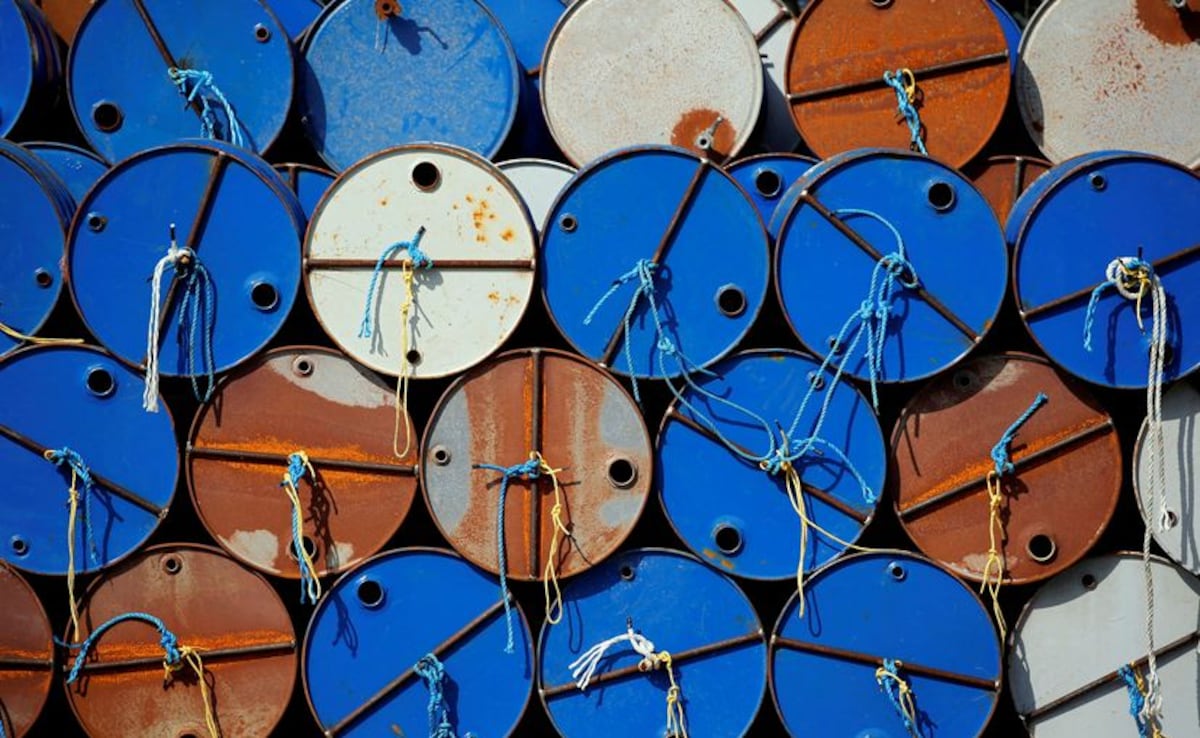
The "Nuestra América" convoy, spearheaded by the Progressive International and supported by a diverse cast ranging from European parliamentarians to American labor leaders, is delivering approximately 20 tons of aid. Compare that to the daily needs of 11 million people. The island requires roughly 100,000 barrels of oil per day just to maintain a baseline of normalcy. Without it, the power grid has essentially disintegrated.
In Havana, blackouts now stretch to 18 or 20 hours. When the power dies, the water stops. More than 80% of the nation’s water pumps rely on electricity. This has forced roughly one-tenth of the population to rely on water trucks, a logistical nightmare in a country where diesel is now more precious than gold. The arriving aid focuses heavily on:
- Solar Power Hardware: Half a million dollars in panels and generators aimed specifically at keeping hospitals and maternity clinics operational.
- Cold-Chain Medications: Vaccines and specialized treatments for chronic illnesses that require constant refrigeration—a luxury in a nation of failing power grids.
- Basic Hygiene and Food: Powdered milk, beans, and rice to offset a "nutritional deficit" that is now visible in the rising numbers of malnourished seniors and children.
The arrival of 650 delegates from 33 countries is a significant diplomatic statement, but the math is cold. While the Mexican government has sent over 2,000 tons of provisions recently, it also suspended its oil shipments to avoid U.S. sanctions. You cannot run a modern economy on solidarity alone.
The Strategy of the Squeeze
Washington’s current playbook is a significant departure from the steady-state embargo of the last sixty years. By leveraging the International Emergency Economic Powers Act, the U.S. is treating Cuba’s energy supply as a national security threat. The objective is explicit: regime change through systemic collapse.
This has created a "gray market" of humanitarian diplomacy. While the U.S. Treasury recently issued a license allowing the resale of Venezuelan oil to Cuba’s private sector, the Cuban government has largely viewed this as a Trojan horse. They argue that segmenting the economy into "private" (supported) and "state" (strangled) sectors is a deliberate attempt to incite social unrest.
The human cost of this geopolitical chess match is being paid in Cuban hospitals. Surgeons are canceling elective procedures not because they lack the skill, but because they cannot guarantee the lights will stay on mid-incision. The "Nuestra América" convoy isn't just bringing aspirin; they are bringing the specialized medications for cancer patients whose treatments were interrupted by the blockade.
The Friction of Distribution
There is a persistent, uncomfortable question that plagues every humanitarian mission to the island: where does the aid actually go?
While organizers like David Adler and Manolo de los Santos insist that the majority of these goods are transferred directly to civil society groups and clinics, the reality on the ground is often more opaque. Reports have surfaced of Mexican food aid appearing on the shelves of government-run "MLC" stores—shops where goods are sold in foreign currency, out of reach for the average Cuban earning a state salary. The Cuban government denies these claims, but the suspicion complicates the narrative of pure altruism.
Furthermore, the exit of the Cuban Medical Brigades from countries like Guatemala, Honduras, and the Bahamas—under heavy U.S. pressure—has stripped the Cuban state of one of its few remaining hard-currency revenue streams. This has left the government with even less capital to purchase food on the open market, making the arrival of these convoys a matter of life and death rather than a supplement to the local economy.
A Precarious Dialogue
In a rare admission of the situation's gravity, First Secretary Miguel Díaz-Canel confirmed this month that his government is in high-level talks with the U.S. to find a "humanitarian carve-out." However, the terms are brutal. The U.S. is demanding structural political changes in exchange for the flow of oil, a demand the Cuban Foreign Ministry recently called "non-negotiable."
The arrival of the flotilla from Mexico on March 21 serves as a temporary reprieve. It provides a few more weeks of rations and enough medical supplies to clear the backlog in a few Havana wards. But the long-term forecast is grim. If a diplomatic solution isn't reached, the island faces a total humanitarian collapse that no amount of activist-led convoys can prevent.
The real story isn't the five tons of medicine arriving in Havana. It is the millions of tons of food and fuel that are being blocked at the border, and the 11 million people caught in the middle.
Would you like me to research the specific legal challenges currently being brought against the U.S. oil blockade in international courts?