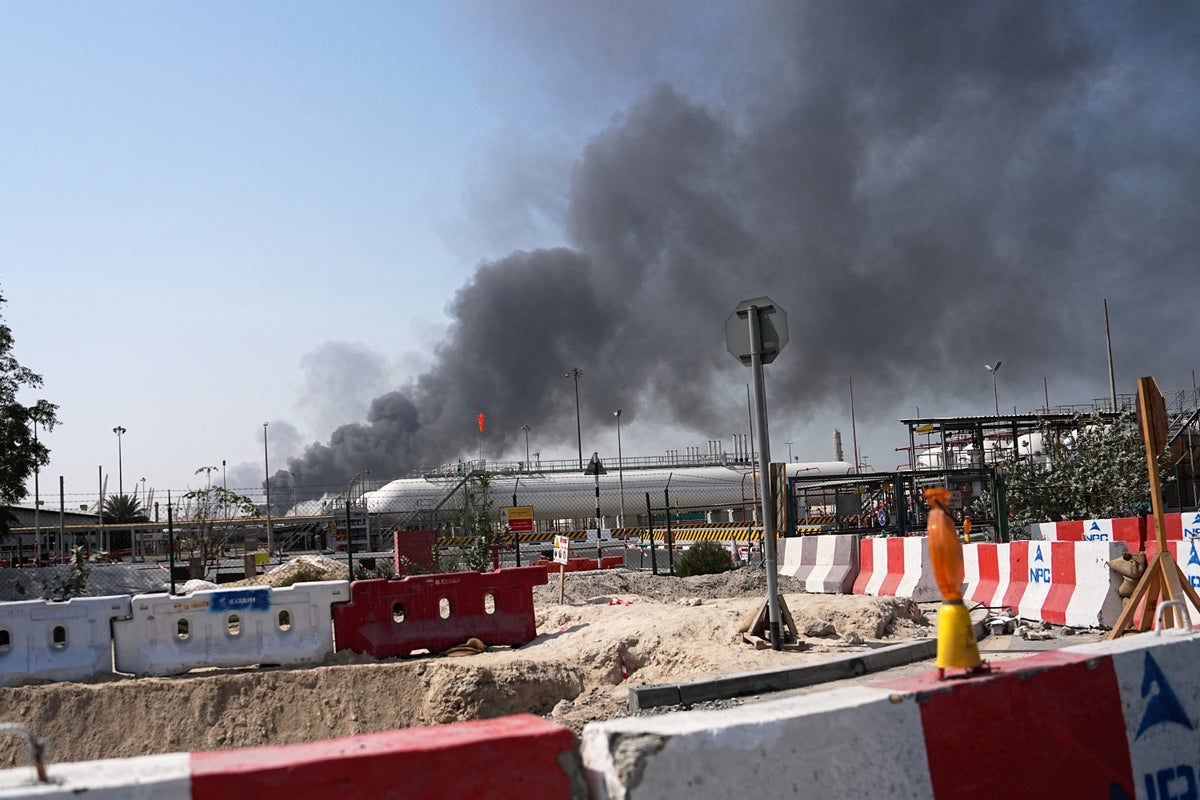
Global airfares are climbing toward a breaking point this March as a perfect storm of geopolitical conflict, engine failures, and a 37% surge in fuel forecasts forces airlines to abandon the "stability" they promised just months ago. While travelers expected 2026 to be the year of predictable pricing, the reality on the ground is far grimmer. The primary driver is a violent spike in jet fuel costs following the February 28 strikes in the Middle East, which effectively throttled the Strait of Hormuz. With 25% of global jet fuel exports now at risk, the industry is passing these costs directly to the passenger through aggressive fare hikes and unannounced "energy surcharges."
The Hormuz Chokehold and the $4 Gallon
For the better part of late 2025, airline executives were taking victory laps. They projected a year of record profits and flat yields. That optimism died the moment the Argus US Jet Fuel Index surged to nearly $4 per gallon in early March. It is a level of volatility that renders traditional hedging strategies nearly useless.
When fuel prices jump 20% in five days, a "hedge" is merely a slower way to bleed out. Most major carriers are currently exposed on at least 30% of their fuel needs, and in a high-volume, low-margin business, that exposure is catastrophic. In the United States, the Energy Information Administration (EIA) has already revised its 2026 price outlook upward by 37%. This isn't just a "bump" in operating costs; it is a fundamental restructuring of the airline profit model.
The Silent Crisis of the Grounded Fleet
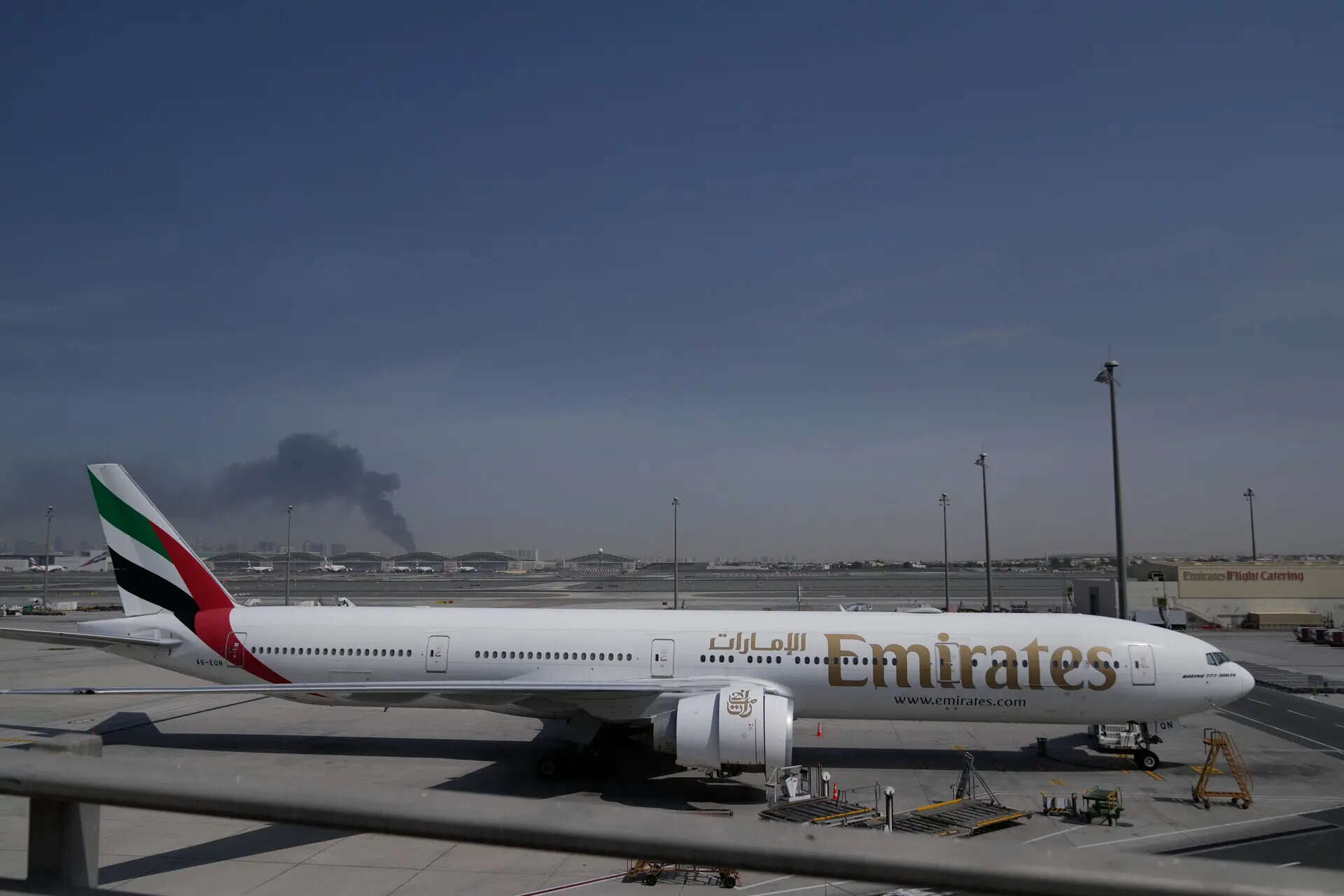
Fuel is the visible enemy, but the invisible one is parked on the tarmac. Hundreds of narrowbody aircraft—the workhorses of domestic and short-haul international travel—are currently out of service due to the Pratt & Whitney Geared Turbofan (GTF) engine recall. As of March 2026, over 500 aircraft remain inactive as maintenance facilities buckle under the pressure.
- Inspection Backlogs: Turnaround times for engine checks have ballooned from 60 days to over 300 days.
- Capacity Artificiality: By removing these planes from the sky, airlines have inadvertently created an artificial scarcity of seats.
- The Yield Game: With fewer seats available and demand for travel remaining stubbornly high, carriers don't have to compete on price. They are charging more because they simply don't have the seats to sell.
Airbus has publicly feuded with Pratt & Whitney, citing "contractual misses" that have delayed new deliveries through 2026 and into 2027. For the traveler, this means that even if fuel prices were to stabilize tomorrow, the lack of available aircraft would keep ticket prices at historic highs.
The Death of the Ultra Low Cost Dream
The most significant casualty of the 2026 pricing crisis is the budget carrier. For decades, the "Ultra-Low-Cost Carrier" (ULCC) model relied on cheap fuel and high aircraft utilization. Both of those pillars have collapsed. Spirit Airlines and other regional players are slashing routes as they struggle to maintain margins against a 93% surge in the "crack spread"—the difference between the price of crude oil and the refined jet fuel.
When the premium on jet fuel reaches $66 per barrel over crude, the budget model stops making sense. These airlines cannot absorb the cost, and their price-sensitive customer base cannot afford the pass-through. We are witnessing a bifurcation of the sky: a "premiumization" where the wealthy continue to fly in shrinking business cabins, while the middle-class traveler is priced out of the market entirely.
The Sustainable Fuel Tax
Adding to the burden is the slow-motion train wreck of Sustainable Aviation Fuel (SAF) mandates. While politicians in Europe and the UK pushed for 10% SAF usage by 2030, the production growth has hit a wall. In 2026, SAF still accounts for less than 1% of total consumption, yet it costs up to five times more than conventional fuel.
Airlines are now paying billions in "compliance premiums" for fuel that barely exists. These costs are not being eaten by the boardrooms; they are being baked into the "taxes and fees" section of your digital receipt. It is a green tax with no immediate green benefit, served to a consumer already reeling from inflation.
The Corporate Resilience Myth
Corporate travel managers entered 2026 with budgets increased by 5%, expecting to see more "road warriors" in the sky. Instead, they are finding that their increased budgets are being swallowed by a 3.7% baseline rise in airfares and even steeper hikes in premium cabins.
The "recovery" of business travel is now being questioned. If a flight from New York to London costs $1,200 in economy and $7,000 in business class, the "return on investment" for a face-to-face meeting becomes harder to justify. We are starting to see the first signs of a plateau in passenger volumes as the sheer cost of movement begins to outpace the value of the trip itself.
Travelers looking for relief in the second half of 2026 should remain skeptical. While some carriers, like Mexico's Volaris, hope for a "summer recovery" as engines return to service, the geopolitical instability in the Middle East remains the ultimate wildcard. If the Strait of Hormuz stays closed or contested, the $4 gallon of fuel will become the new floor, not the ceiling.
Check your flight schedules frequently, as airlines are likely to consolidate routes to maximize load factors, which currently sit at a record 83.8%. In this environment, the airline doesn't need your loyalty; they only need your desperation to get from point A to point B.
Before booking your next trip, use a price-tracking tool to monitor the "fuel surcharge" trends specifically, as these are now being adjusted weekly rather than monthly.