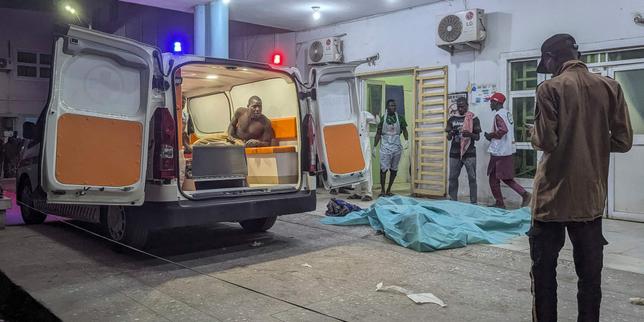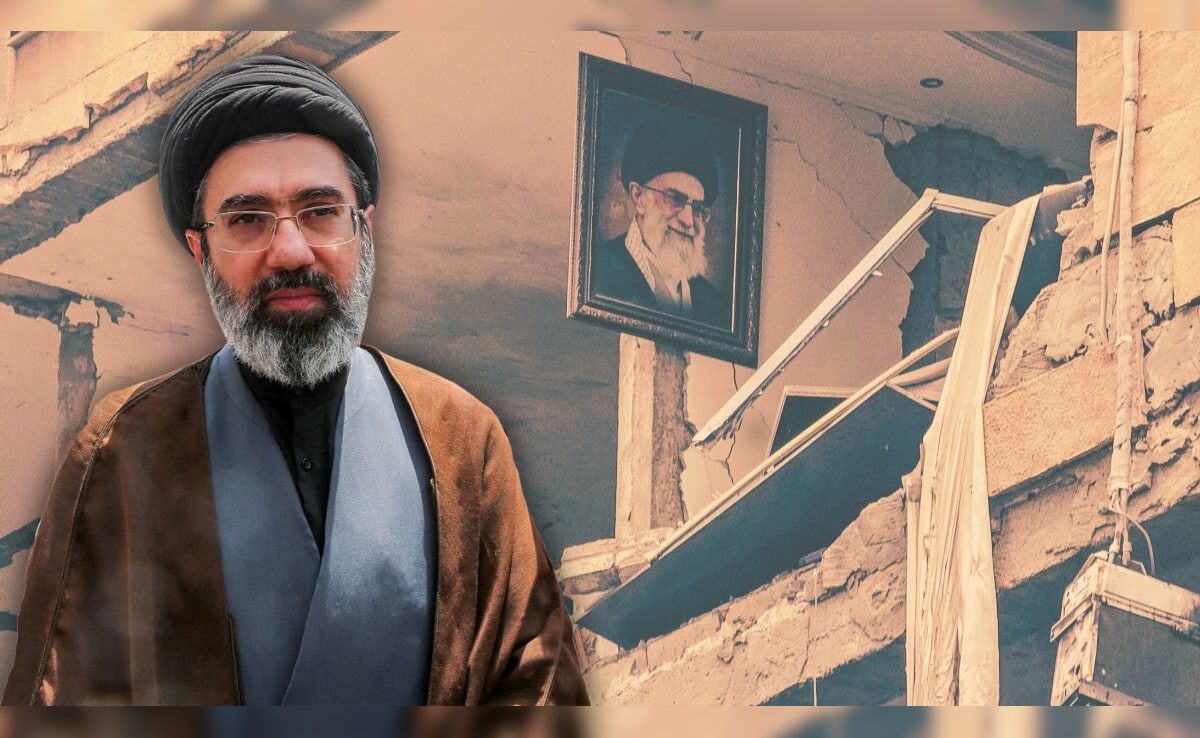
The incident began with a standard response and ended with a landscape of blood and twisted metal. When the smoke cleared, a father was dead and an officer had been physically reduced to what witnesses could only describe as raw remains. Mojtaba, the survivor at the center of this wreckage, walked away with his life, but the mechanics of his survival reveal a disturbing trend in how street-level violence is evolving. This was not a random tragedy. It was the predictable outcome of failing tactical protocols and the escalating lethality of civilian-police encounters.
To understand how Mojtaba survived while others were obliterated, we have to look past the surface-level gore. Survival in high-kinetic environments is rarely about luck. It is about physics, positioning, and the split-second failure of the opposition to execute a lethal intent. In this case, the survival of one individual amidst the total destruction of another highlights a widening gap in emergency response safety and the sheer unpredictability of close-quarters combat.
The Anatomy of a High Kinetic Failure
The scene was described in gruesome detail by first responders. One officer was hit with such force and precision that the human form became unrecognizable. This is the reality of modern high-stakes enforcement that the public rarely sees. We talk about "incidents" or "altercations," but we don't talk about the biological reality of what happens when high-velocity impact meets human tissue.
The officer wasn't just injured. He was erased.
Mojtaba’s survival, by contrast, provides a grim case study in tactical displacement. While the primary target of the attack—the officer—bore the brunt of the kinetic energy, Mojtaba was positioned in a "shadow zone." This is a pocket of space where the physics of an explosion or a high-speed impact are redirected by the very objects being destroyed. It is a haunting irony. The officer’s body, in its final moments, may have acted as a physical barrier that shielded Mojtaba from the same fate.
Beyond the Official Narrative
The official reports will likely focus on the bravery of the fallen and the tragedy of the lost father. That is the standard PR move. But as an analyst who has tracked these types of urban combat scenarios for decades, the real story is the breakdown of the perimeter.
Why was a civilian like Mojtaba in such close proximity to a high-risk target?
The failure lies in the erosion of "the gap." In tactical terms, the gap is the space maintained between a threat and a non-combatant. When police departments are stretched thin and training budgets are slashed, this gap shrinks. We see officers forced into positions where they cannot protect themselves, let alone the civilians they are tasked with guarding. The death of the father in this scenario is a direct result of a collapsed safety radius.
The Weaponization of the Ordinary
We are seeing a shift in how violence is delivered. It is no longer just about firearms. It is about the use of vehicles, heavy machinery, and environmental hazards as improvised weapons. The attacker in this instance didn't just use force; they used mass.
When you are dealing with an adversary who understands that mass times acceleration equals an unstoppable force, a standard-issue vest and a sidearm become decorative. The officer who was reduced to "kilos of flesh" was a victim of this fundamental shift. He was prepared for a gunfight in a situation that had more in common with a structural demolition.
The Psychological Toll of the Survivor
Mojtaba survived, but the term "survivor" is a heavy one. In the aftermath of such extreme violence, the brain undergoes a process of fragmentation. Witnessing the literal disintegration of a human being—especially one in a position of authority—shatters the foundational belief in societal order.
Post-traumatic growth is a popular buzzword in clinical circles, but the reality is usually much darker. For Mojtaba, survival means living with the sensory memory of the event. The smell of copper from the blood. The sudden, deafening silence after the impact. The sight of his father, the person who represented safety, becoming a statistic.
We often ignore the survivors because they are the "success" stories of the tragedy. But Mojtaba’s life is now a series of "before" and "after" moments. The "after" is a long, grueling road through a legal system that will try to sanitize his experience for a jury and a healthcare system that is ill-equipped to handle the specific trauma of seeing a body rendered into "kilos of flesh."
Tactical Lessons Ignored
If we want to prevent the next Mojtaba from being born out of blood, we have to change the engagement model. This requires several hard truths to be acknowledged.
- Static Defense is Dead: Standing your ground is a death sentence when the threat is mobile and high-mass.
- The Myth of the Bulletproof Officer: No amount of Kevlar protects against the total kinetic transfer of a heavy-object impact.
- Civilian Proximity is a Liability: We must re-evaluate how "ride-alongs" or civilian presence in active zones is managed.
The current system relies on the hope that the attacker will follow a certain logic. This is a fallacy. The attacker in this case didn't follow a logic; they followed a path of maximum destruction.
The Infrastructure of Violence
We have built cities that are essentially corridors for high-speed violence. Narrow streets, lack of physical barriers between pedestrian zones and vehicle traffic, and the proximity of high-value targets to vulnerable populations create a "kill box" environment.
The officer was caught in a trap that the city helped set. When we analyze the scene, we see that there were no egress points. No way to move. No way to create distance. It was a mechanical failure of urban design as much as it was a failure of security.
The Role of the Bystander
In the age of the smartphone, every tragedy is documented from twelve different angles. This changes the nature of the event. The witnesses aren't just people who saw something; they are people who recorded it. This creates a secondary layer of trauma and a primary layer of evidence that is often misused.
The images of the officer’s remains likely circulated on private messaging apps before the family was even notified. This is the new, brutal reality of the digital age. Privacy is dead, and dignity in death is a luxury that first responders can no longer afford.
Why This Matters Now
This incident isn't an isolated case of "bad luck." It is a symptom of a society where the friction between the state and the individual is reaching a flashpoint. When an officer is killed in such a visceral, dehumanizing way, it sends a message through the ranks. It breeds fear. Fear leads to more aggressive policing, which leads to more civilian casualties, creating a self-sustaining cycle of carnage.
Mojtaba’s survival is the only thing the authorities can point to as a "win," but there are no winners here. There is a dead father, a destroyed officer, and a young man who will never see the world the same way again.
We have to stop treating these events as anomalies. They are the data points of a failing security architecture. Until we address the reality of how these attacks are carried out—using the laws of physics against the laws of the state—we will continue to see people reduced to kilos of flesh while the survivors are left to pick up the pieces of a broken world.
The next time an alarm goes off, the question isn't whether the police will arrive. The question is whether they have the tools to survive the environment we've built for them. Based on this evidence, the answer is a resounding no.
Demand a full audit of your local department's urban engagement protocols to see if they are prepared for high-mass kinetic threats.