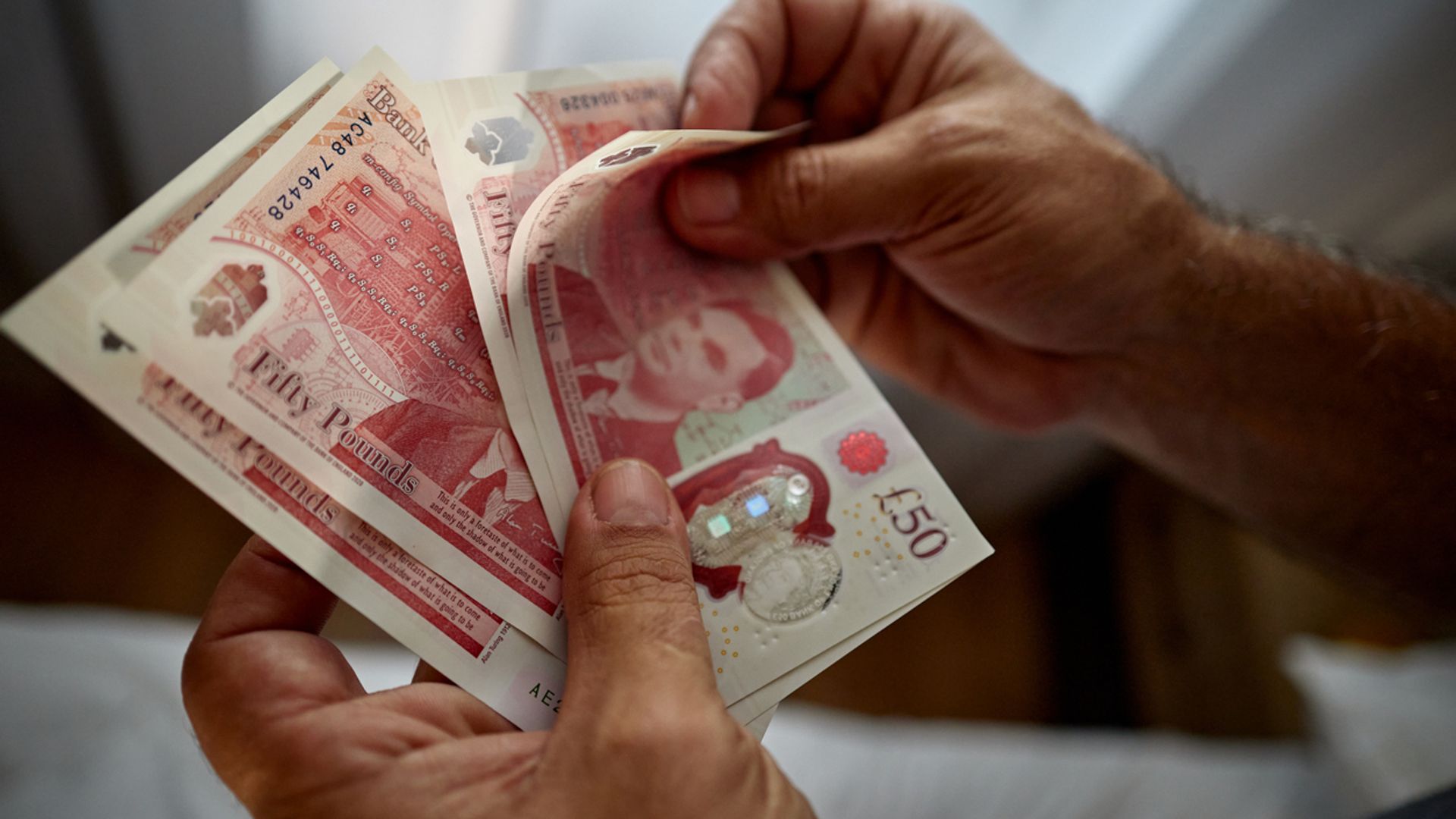
Central banks are currently locked in a high-stakes game of chicken with global inflation, and the average consumer is the one positioned on the tracks. While the narrative often focuses on "cooling" the economy, the reality is a deliberate, calculated tightening of the financial screws. Interest rate hikes are not merely administrative adjustments; they are blunt instruments designed to reduce your spending power by making the cost of existence more expensive. When combined with the supply chain shocks of modern warfare, the result is a pincer movement on the middle class that few saw coming three years ago.
The math is simple but devastating. As central banks raise the cost of borrowing, the interest on your mortgage, credit cards, and auto loans climbs. Simultaneously, geopolitical instability—specifically the ongoing conflicts in energy-rich and breadbasket regions—drives up the baseline cost of fuel and food. You are being charged more to borrow money while being forced to spend more on essentials. This isn't a temporary glitch in the system. It is a fundamental restructuring of the global credit environment.
The Illusion of the Soft Landing
Wall Street likes to talk about a "soft landing," a scenario where inflation drops without triggering a massive wave of unemployment. It is a comforting fairy tale. In practice, the mechanisms required to curb 40-year-high inflation levels usually require a level of economic pain that the public is rarely prepared for. We are seeing a divergence between macroeconomic data and the "kitchen table" reality.
The Federal Reserve and its global counterparts are operating on a lag. They react to data that is often weeks or months old, meaning they frequently overshoot the mark. By the time the full impact of a rate hike is felt in the housing market or the retail sector, the damage is already baked into the books. For the person trying to renew a fixed-rate mortgage today, the "soft landing" feels more like a high-velocity impact.
Why War Matters More Than You Think
It is a mistake to view interest rates in a vacuum. The current misery is amplified by a "risk premium" attached to almost every commodity. When a major grain exporter or a global energy hub becomes a battleground, the global supply curve shifts violently to the left.
This creates "cost-push" inflation. Unlike "demand-pull" inflation—where people have too much money and are buying too many TVs—cost-push inflation happens because the basic building blocks of the economy are scarce. Raising interest rates does nothing to put more grain on a ship or more oil in a pipeline. It only makes it harder for the consumer to afford the resulting price spikes. We are essentially using a tool designed to curb greed to fight a problem caused by scarcity.
The Renters Trap and the Housing Deadlock
The housing market has become a stagnant pond. For over a decade, we lived in an era of "free money," where interest rates were kept artificially near zero. This fueled a massive run-up in asset prices. Now that the bill has come due, the market is paralyzed.
Homeowners who locked in low rates years ago are terrified to move, knowing their next mortgage could cost double in interest alone. This "lock-in effect" has evaporated housing inventory. With fewer houses for sale, prices remain stubbornly high despite the increased cost of borrowing.
For renters, the situation is even more grim. Landlords, facing their own rising costs for maintenance and financing, pass those expenses directly to the tenant. In many urban centers, the percentage of income dedicated to housing has crossed the 40% threshold, leaving almost no cushion for the rising cost of groceries or healthcare.
The Credit Card Debt Spiral
As the cost of living outpaces wage growth, the global consumer has turned to the only tool left: plastic. Credit card balances have hit record highs, but the danger isn't just the total debt—it’s the APR.
- Floating Rates: Most credit cards have variable rates tied to the prime rate. Every time a central bank raises rates by 25 basis points, your debt becomes more expensive to carry.
- The Minimum Payment Trap: Higher interest means a larger portion of your monthly payment goes toward the bank’s profit rather than your principal.
- Default Risk: We are beginning to see a steady tick upward in 30-day and 90-day delinquencies, a classic leading indicator of a broader economic contraction.
This is a quiet crisis. It doesn't happen with a stock market crash or a bank run; it happens one missed payment at a time in millions of households.
The Corporate Strategy of Greedflation
While politicians blame "the war" and central bankers blame "spending," a third factor remains largely ignored in the mainstream press: margin expansion. During the initial stages of the pandemic and the subsequent start of major conflicts, many corporations used the expectation of inflation as a cover to raise prices far beyond their own cost increases.
This is often called "Sellers’ Inflation." If every news outlet is reporting that prices are going up, a company can raise its prices by 12% even if its costs only went up by 5%. The consumer expects the hike and accepts it, albeit grudgingly. This has led to record corporate profits in the same years that consumers reported the highest levels of financial stress.
As rates rise, these companies face higher borrowing costs themselves, which they are now attempting to offset with even further price hikes. The cycle is self-perpetuating. The consumer is essentially subsidizing the corporate debt of the very companies that are raising the price of their milk and eggs.
The Geopolitical Gamble
The intersection of war and finance is creating a more fragmented world. We are seeing the "weaponization" of the dollar and the subsequent push by some nations to find alternatives. This matters to you because the status of the US dollar as the world’s reserve currency is what allows for relatively stable prices and cheap imports.
If the world moves toward a multi-polar financial system, the "exorbitant privilege" of the Western consumer will vanish. Imports will become more expensive, and inflation will become a permanent fixture rather than a passing phase. The conflicts we see on the news are not just about borders; they are about who controls the flow of resources and the currency used to buy them.
The Hidden Tax of Energy Volatility
Energy is the "input of all inputs." If it costs more to fuel a tractor, the corn costs more. If it costs more to fuel a truck, the delivery to the grocery store costs more. When war disrupts energy markets, it acts as a regressive tax. It hits the lowest earners the hardest because they spend a higher percentage of their income on heating, cooling, and commuting.
Interest rate hikes are intended to slow the economy down to the point where energy demand drops. But humans cannot simply "demand" less food or less heat in the winter. This is why the current strategy is so painful—it is trying to solve a supply-side catastrophe with a demand-side hammer.
The Psychological Toll of Financial Insecurity
Beyond the spreadsheets and the GDP figures lies a mounting mental health crisis. Financial stress is a leading cause of divorce, depression, and workplace burnout. When the rules of the game change overnight—when a mortgage goes from $1,500 to $2,400—it shatters the sense of a predictable future.
The "misery index" is a real thing. It is the sum of the unemployment rate and the inflation rate. Even if unemployment remains low, high inflation creates a sense of "working harder to stay in the same place." This leads to social unrest, political polarization, and a general loss of faith in institutions.
People are not just angry that prices are high; they are angry because they feel the system is rigged to extract every last cent of their productivity while the goalposts of "success" are moved further away.
How to Protect Your Remaining Capital
In this environment, traditional advice often fails. Saving money in a bank account that pays 4% interest is a losing game if inflation is running at 6%. You are effectively losing 2% of your purchasing power every year just by being "responsible."
- Kill High-Interest Debt First: This is no longer a suggestion; it is a survival tactic. Any debt with a double-digit interest rate is an emergency.
- Audit Your Fixed Expenses: We often overlook the "subscriptions" of life. From insurance premiums to utility providers, every recurring bill needs to be scrutinized and renegotiated.
- Invest in Utility: If you have extra capital, put it into things that reduce your future cost of living. Energy efficiency, bulk food storage, or skills that allow you to repair your own goods provide a better "return" than many volatile stocks in a high-rate environment.
- Watch the Yield Curve: Keep an eye on the difference between short-term and long-term interest rates. When short-term rates are higher than long-term rates (an inversion), it is the bond market’s way of screaming that a recession is imminent.
The era of "easy money" is over, and it isn't coming back anytime soon. We are entering a period of "higher for longer," where the cost of capital will remain elevated as the world re-adjusts to a new reality of scarce resources and geopolitical friction.
The Strategy of Forced Austerity
Governments are currently unwilling to use fiscal policy—like raising taxes on the wealthy or cutting wasteful spending—to fight inflation because it is politically unpopular. Instead, they outsource the dirty work to central banks. This allows politicians to point the finger at "the Fed" or "the Bank of England" while the central banks do exactly what they were designed to do: induce enough economic pain to stop people from spending.
This is forced austerity by another name. Instead of the government cutting services, the "market" simply makes those services and goods unaffordable. It is a more subtle, less accountable way of shrinking the economy.
The most dangerous thing a consumer can do right now is assume that things will "go back to normal" by next year. The "normal" of 2010-2020 was the anomaly. We are returning to a world where money has a real cost, where resources are contested, and where every financial decision carries a much higher penalty for failure.
Analyze your balance sheet with cold, hard logic. Assume that rates will stay high. Assume that energy prices will remain volatile. If your current lifestyle relies on cheap credit to fill the gaps, you are standing on a foundation of sand in a rising tide. Move your assets to higher ground before the next rate hike arrives.


