NASA is currently locked in a high-stakes wrestling match with physics and a shrinking budget as it prepares the Space Launch System (SLS) and the Orion capsule for Artemis II. This mission represents the first time humans will venture toward the Moon since 1972, but the "most powerful rocket" narrative often obscures a much more complicated reality. The hardware is ready, but the margin for error has evaporated. To understand why this flight is the most demanding test in modern history, one must look past the smoke and fire of the launchpad and into the thermal shields and life-support systems that are currently being scrutinized under a microscope.
The core of the challenge lies in the transition from an uncrewed proof-of-concept to a human-rated transport. During the Artemis I flight, the Orion heat shield behaved in ways the models didn't predict, losing material in a "charring" pattern that raised red flags across the engineering teams. NASA cannot afford a repeat performance with four lives strapped to the nosecone.
The Heat Shield Conundrum
When the Orion capsule slams into the Earth’s atmosphere at 25,000 miles per hour, it generates temperatures reaching 5,000 degrees Fahrenheit. During the 2022 test flight, the Avcoat ablative material—the stuff designed to burn away and carry heat with it—chipped off in unexpected chunks rather than eroding smoothly.
Engineers call this "spallation." It is the difference between a candle melting evenly and a candle spitting hot wax across the room. While the internal temperature of the capsule remained safe, the lack of uniformity in the erosion suggests we don’t fully grasp the fluid dynamics of reentry at lunar speeds. For Artemis II, the team has had to decide whether to fly the shield as-is, betting on the safety margins, or risk years of delay to redesign the thermal protection system. They chose a middle path of intense modification and testing, but the ghost of the Columbia disaster looms over every meeting. We are relearning that terrestrial simulations can only go so far in replicating the violence of the upper atmosphere.
Oxygen and Orbit
Artemis II isn't just a flight; it is a ten-day endurance run for a life-support system that has never been stressed by human biology. On Artemis I, the cabin was filled with sensors. On Artemis II, it will be filled with the carbon dioxide, moisture, and heat of four astronauts.
The mission profile involves a high Earth orbit maneuver to test the Environmental Control and Life Support System (ECLSS) before committing to the Trans-Lunar Injection. If the scrubbers fail to pull $CO_2$ from the air while the crew is still near Earth, they can abort and come home in a matter of hours. Once they fire the engines toward the Moon, they are on a "free-return" trajectory. At that point, the physics of orbital mechanics dictates their return. If a leak or a system failure occurs halfway to the Moon, the crew is days away from help. This is a level of risk that the International Space Station—permanently perched in Low Earth Orbit—simply does not face.
The Cost of the SLS Architecture
We have to talk about the money and the hardware. The SLS is an incredible feat of engineering, but it is also a Frankenstein’s monster of Space Shuttle-era components. The RS-25 engines under the core stage are the same ones that flew the Shuttle for decades. They are being used as "expendable" assets, meaning hundreds of millions of dollars in heritage hardware is dropped into the ocean after every launch.
This creates a brutal production bottleneck. Unlike commercial competitors who are leaning into reusability, NASA is tied to a supply chain that moves at a glacial pace. Each SLS rocket takes years to assemble. If Artemis II suffers a significant setback or a launch failure, there is no "backup" rocket waiting in a hangar to keep the program’s momentum. The entire lunar architecture—including the Gateway station and the eventual Artemis III landing—rests on this single flight's success.
The Artemis II Crew and the Human Element
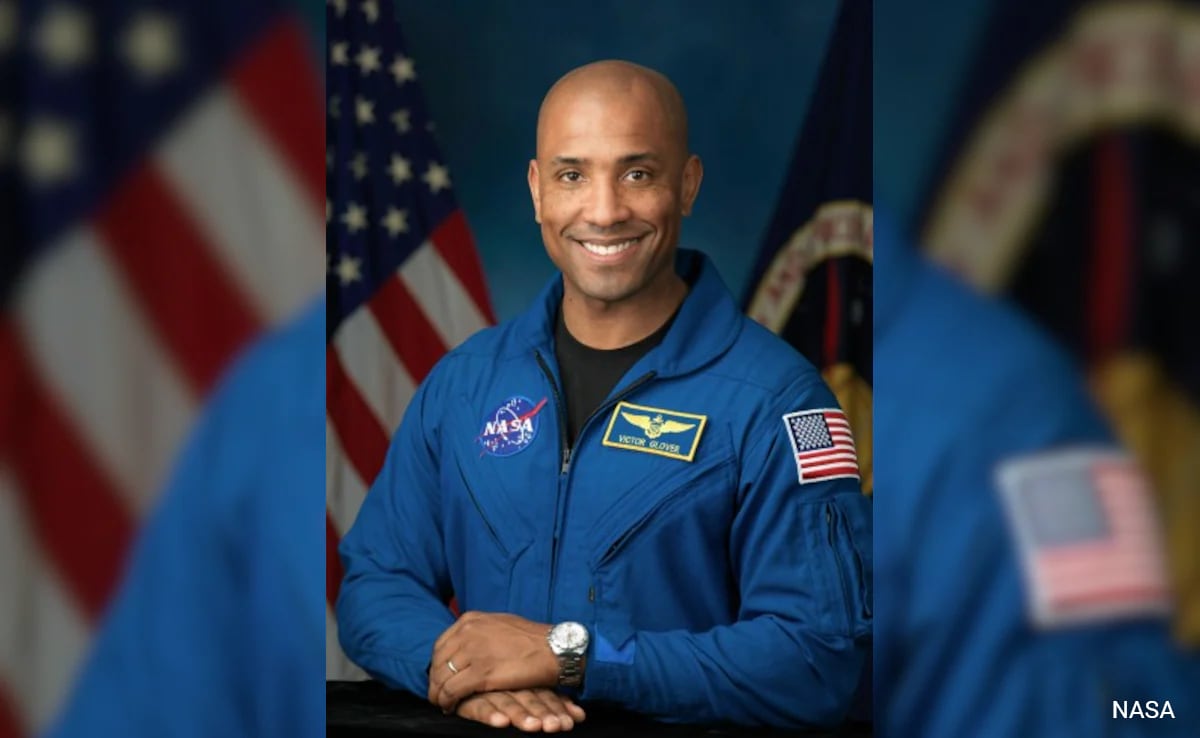
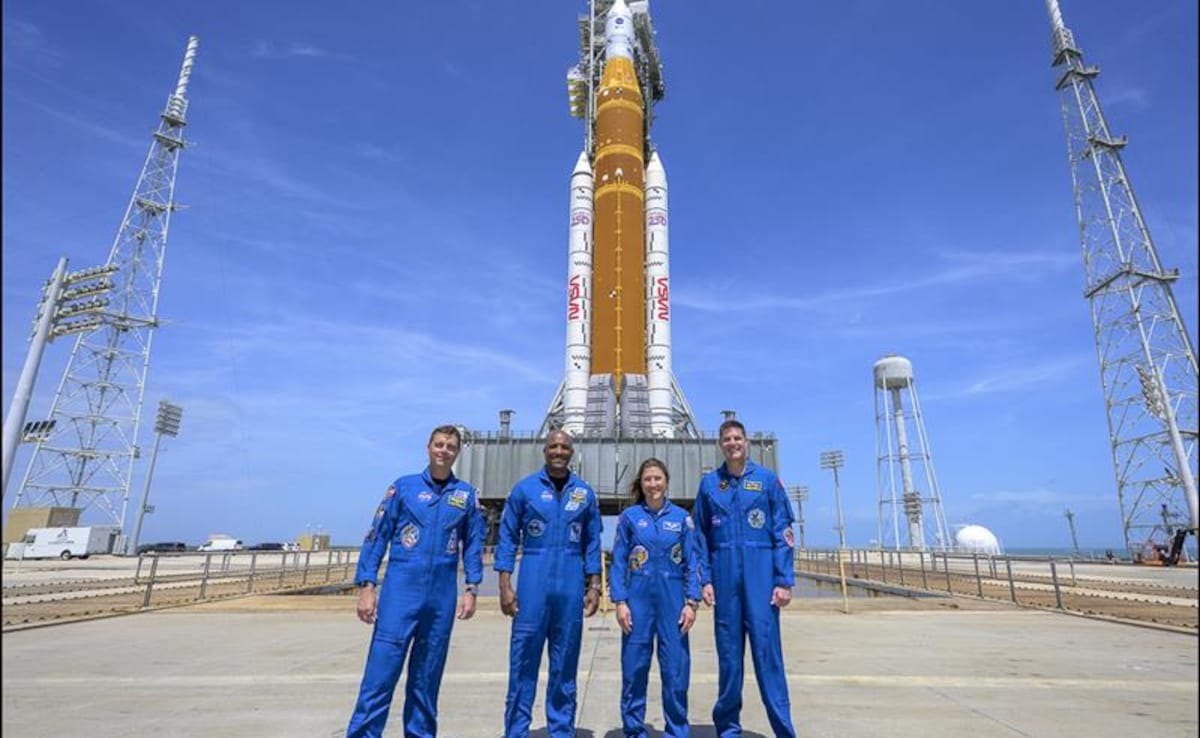
The selection of Reid Wiseman, Victor Glover, Christina Koch, and Jeremy Hansen was a calculated move. NASA isn't just sending pilots; they are sending people who can troubleshoot under extreme pressure.
- Wiseman brings the steady hand of a veteran commander.
- Glover has extensive experience with the newer, digital cockpits of the commercial crew era.
- Koch holds the record for the longest single spaceflight by a woman, providing essential data on long-duration resilience.
- Hansen represents the international partnership that makes the program politically viable.
Their job is to manually fly the Orion during the Proximity Operations Demonstration. They will use the spent ICPS (Interim Cryogenic Propulsion Stage) as a target to test how the capsule handles in close quarters. This isn't just for show; it’s a dry run for the day they will have to dock with a SpaceX Starship or the Gateway station.
A Legacy of Fragile Success
The Apollo program is often remembered as a series of triumphs, but it was a sequence of near-disasters managed by sheer brilliance and a fair bit of luck. Artemis II is operating in a very different environment. Public appetite for risk is lower, and the scrutiny of every dollar spent is higher.
The SLS generates 8.8 million pounds of thrust. It is the most powerful rocket ever to reach orbit, but power is nothing without control. The flight software alone consists of millions of lines of code, much of it written to bridge the gap between 1980s engine controllers and 2020s flight computers. This digital translation layer is where many modern aerospace failures hide. A single misinterpreted sensor reading during the "Max Q" phase—the point of maximum aerodynamic pressure—could trigger an abort that ends the mission before it even clears the atmosphere.
The Strategic Stakes
Beyond the science, there is the geopolitical reality. We are in a second space race, and the competitors are no longer just the Soviet Union's successors. China’s lunar ambitions are moving on a timeline that increasingly overlaps with NASA’s.
If Artemis II succeeds, it validates the "Deep Space" approach—using a massive, government-owned rocket to ferry humans to a staging ground. If it fails or experiences a significant delay, it will likely accelerate the transition toward a fully commercial model, where NASA buys rides rather than building the vehicles. The SLS is fighting for its life as much as it is fighting for the Moon.
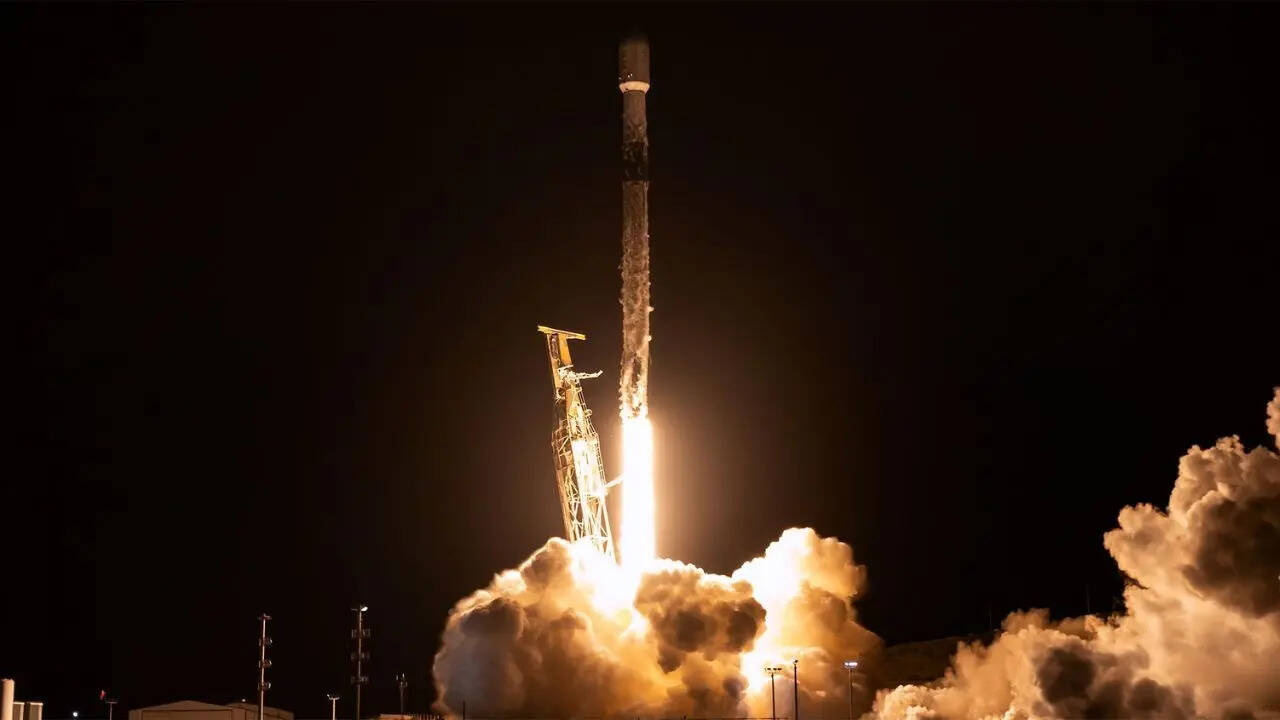
The upcoming launch at Kennedy Space Center will be the loudest, most violent event on the Florida coast in a generation. But the real tension isn't in the noise. It is in the quiet moments of the ten-day mission when the crew is 230,000 miles away, relying on a heat shield that we hope stays together and a life-support system that has never felt a human breath.
Check the telemetry. Monitor the pressures. Trust the math, but respect the vacuum.