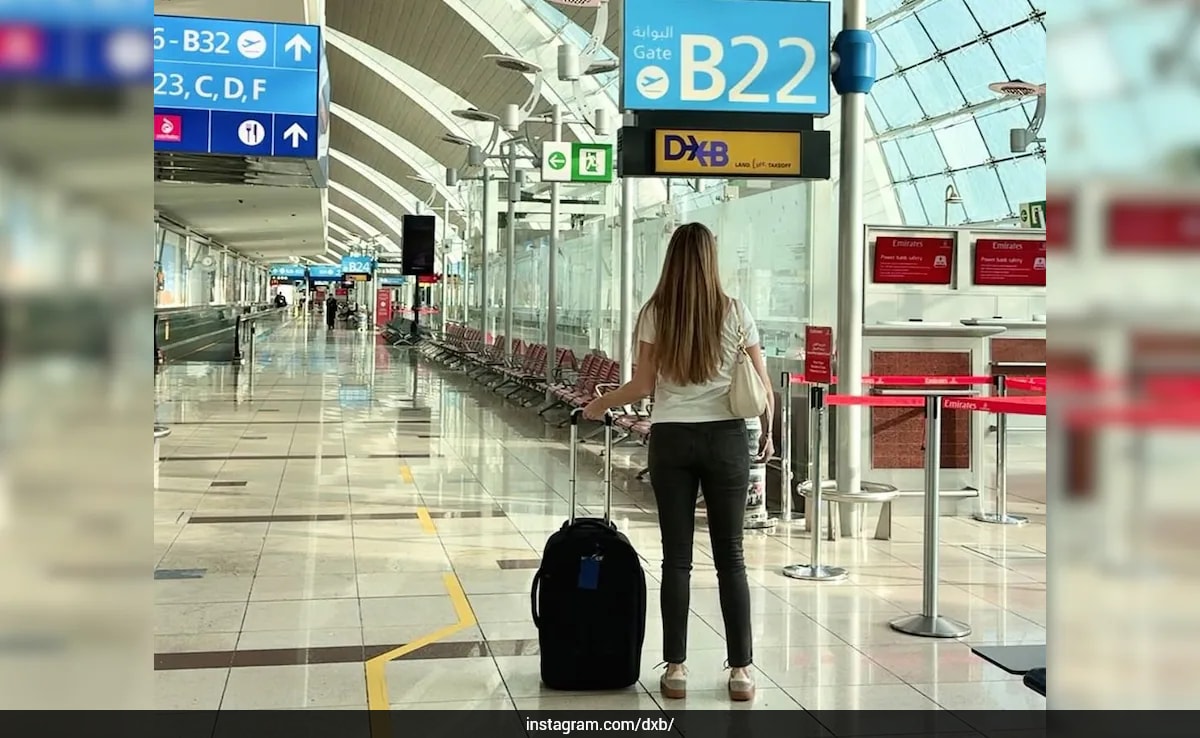
When the skies over the United Arab Emirates buckled under the heaviest rainfall in three-quarters of a century, Dubai International Airport (DXB) transformed from a marvel of global connectivity into a flooded bottleneck. In the aftermath, a narrative emerged of "surprise gifts" and emotional moments designed to soothe stranded passengers. While these gestures make for heartwarming social media fodder, they represent only the thin, polished surface of a massive industrial recovery operation. For those of us who have spent decades tracking the aviation industry, the real story isn't found in the gift bags. It is found in the desperate, expensive scramble to salvage a brand built on invincibility.
Aviation is a business of margins and momentum. When that momentum stops, the cost is measured in millions of dollars per hour. The "gifts" reported by various outlets were not merely acts of spontaneous kindness; they were tactical tools used in high-stakes crisis management.
The Infrastructure of a Grounding
Dubai International operates as the primary artery for global long-haul travel. Its business model relies on the "hub and spoke" system, where a delay in a flight from London affects a connection to Sydney, which then ripples through schedules in Tokyo and New York. When record-breaking storms dumped a year’s worth of rain in twenty-four hours, the physical infrastructure failed.
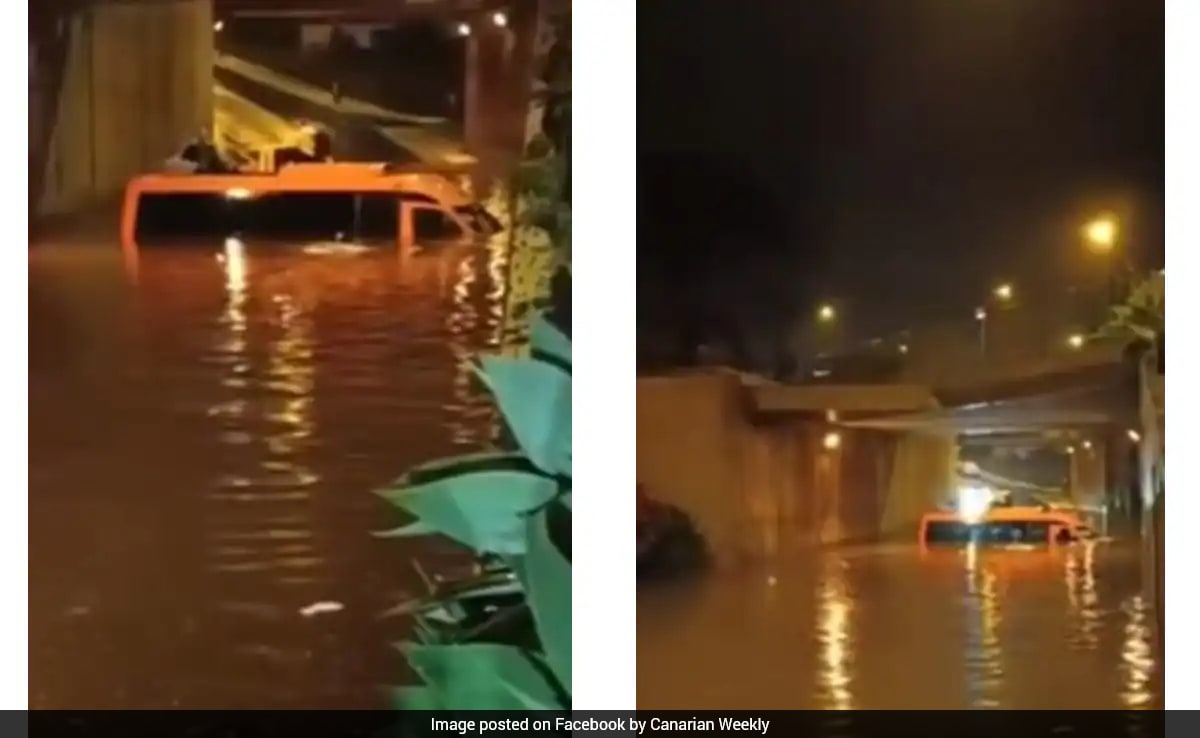
The tarmac became a lake. Planes were filmed taxiing through deep water, their engines dangerously close to ingestion limits. This wasn't just a weather event. It was a stress test that DXB was never designed to pass. The airport’s drainage systems, built for a desert climate where rain is a rare guest, were overwhelmed instantly.
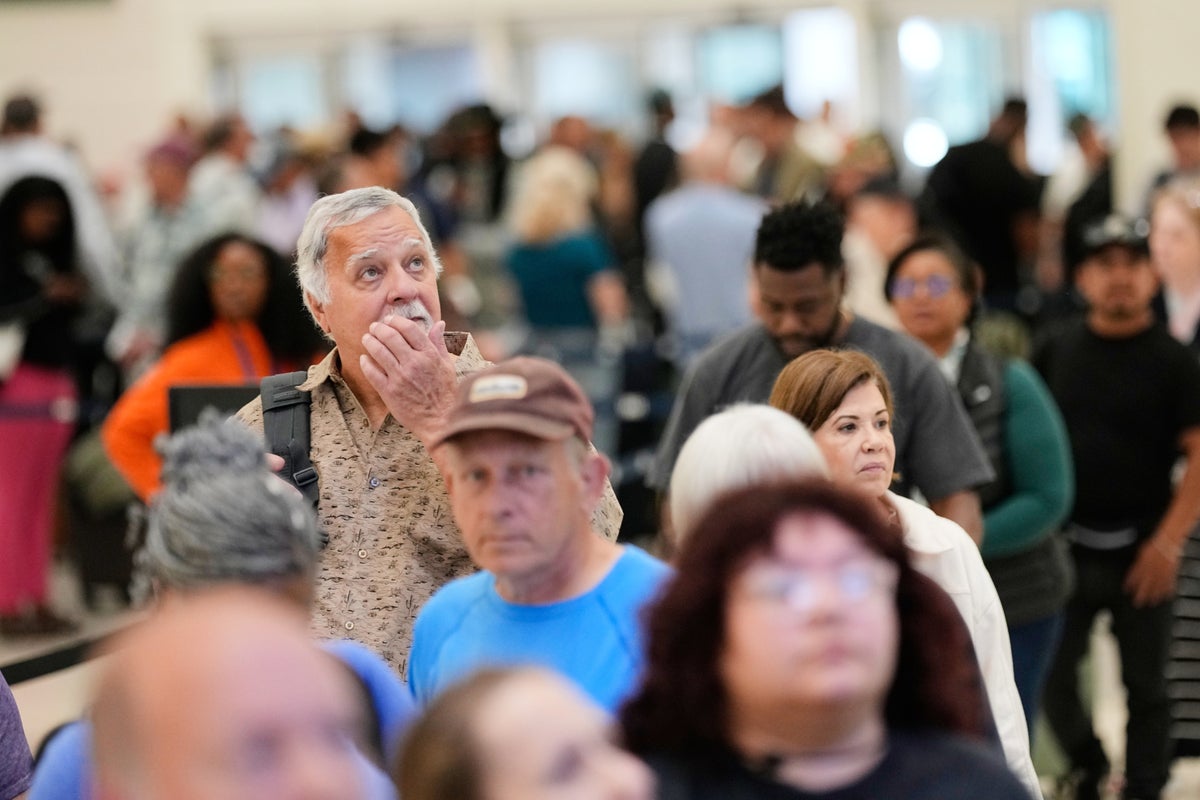
Inside the terminals, the scene was even more chaotic. Thousands of passengers were stuck in a limbo that lasted days. This is where the "surprise gifts" entered the frame. From a journalistic perspective, we must look at the utility of these items. Distributing care packages, food vouchers, and small tokens serves a dual purpose. First, it provides immediate, albeit minor, physical relief. Second, it shifts the digital narrative. In an era where a single viral video of an angry passenger can tank a stock price or damage a national reputation, a gift bag acts as a physical "mute" button. It encourages passengers to post about "kindness" rather than "incompetence."
The Economic Weight of Total Disruption
To understand the scale of the recovery, you have to look at the numbers. DXB handled over 86 million passengers in 2023. When a hub of this size shuts down, the backlog creates a nightmare of "cascading delays."
- Rebooking Logistics: Every cancelled flight creates a ghost population of passengers who still need to reach their destination. With most flights already operating at 80% capacity or higher, finding seats for ten thousand displaced travelers is a mathematical impossibility that takes weeks to resolve.
- Compensation Costs: Under various international regulations, airlines often face massive bills for hotel stays and meals. While "acts of God" or "extraordinary circumstances" like historic floods sometimes provide a legal shield, the reputational cost often forces airlines to pay out anyway.
- Aircraft Displacement: Planes were in the wrong places. Crews had timed out on their legal working hours. The physical chess match of getting a Boeing 777 from a diversion airport back into the rotation is a logistical feat that costs hundreds of thousands of dollars in fuel and landing fees alone.
The gifts handed out to travelers were a rounding error compared to these figures. However, they were essential for "brand preservation." Dubai’s identity is inextricably linked to its airport and its flagship carrier, Emirates. The perception of luxury and efficiency is their primary product. When the rain stripped that away, the authorities had to use every tool available—from blankets to brand-name chocolates—to rebuild the facade of control.
The Human Element as a Buffer
We often hear about "heroic staff" during these crises. This is true, but it's also a convenient shield for management. Frontline employees—the ones actually handing out the gifts and bearing the brunt of passenger fury—are the shock absorbers for systemic failures.
During the peak of the DXB flooding, reports surfaced of travelers sleeping on floors for over forty-eight hours with minimal communication. The "tears" mentioned in earlier reports weren't always tears of joy over a gift; they were often tears of exhaustion and relief that the ordeal was finally being acknowledged.
The Psychology of the Small Token
Why does a small gift work during a catastrophe? Behavioral economics suggests that humans remember the "peak" and the "end" of an experience more than the duration. By injecting a positive, unexpected moment into the final stages of a nightmare journey, the airport effectively "hacks" the passenger's memory of the event.
- Reciprocity: When someone gives you a gift, you feel a social obligation to be less hostile.
- Distraction: A physical object requires attention, momentarily pulling the mind away from the surrounding chaos.
- Humanization: It’s harder to scream at a person who is handing you a flower or a box of dates.
Why the System Broke
Critics argue that the UAE’s rapid expansion has outpaced its environmental safeguards. While cloud seeding—a common practice in the region—was initially blamed by some, meteorologists and officials pointed to a massive low-pressure system. Regardless of the cause, the vulnerability of the world’s busiest international hub is now a matter of public record.
The recovery effort wasn't just about mopping floors. It involved the massive redeployment of manpower from across the government. It required a suspension of normal operating procedures to clear the backlog. The gifts were the PR department's way of saying "please look at this" while the engineers and operations managers were screaming "don't look at that" behind the curtain.
The Hard Truth of Modern Travel
This incident at DXB serves as a warning for the global aviation industry. As extreme weather events become more frequent, the "standard" operating procedures of our most advanced hubs are proving to be fragile. We are reliant on a system that operates at 99% capacity at all times. There is no "slack" in the rope. When the rope snaps, it snaps hard.
The gifts given to those travelers were a nice gesture. They were also a desperate attempt to maintain a standard of "world-class service" in a situation that was anything but. For the traveler, the takeaway is clear: your comfort in a crisis is often a byproduct of a company's need to manage its own reputation.
Moving forward, the industry cannot rely on gift bags to solve infrastructure failures. The next time the clouds open up over a desert hub, the world will be watching to see if they invested in better drainage and more transparent communication, or if they just bought more chocolates.
If you are planning to travel through major international hubs during peak seasons or transition months, your best defense is not the hope of a "surprise gift." It is the preparation of a secondary transit plan. Download the apps of competing airlines, maintain a digital copy of your passenger rights (such as UK261 or similar mandates), and never rely on the airport to provide your basic needs during a "black swan" event. The gift you really want is a seat on the first plane out, and that is the one thing a gift bag can never contain.