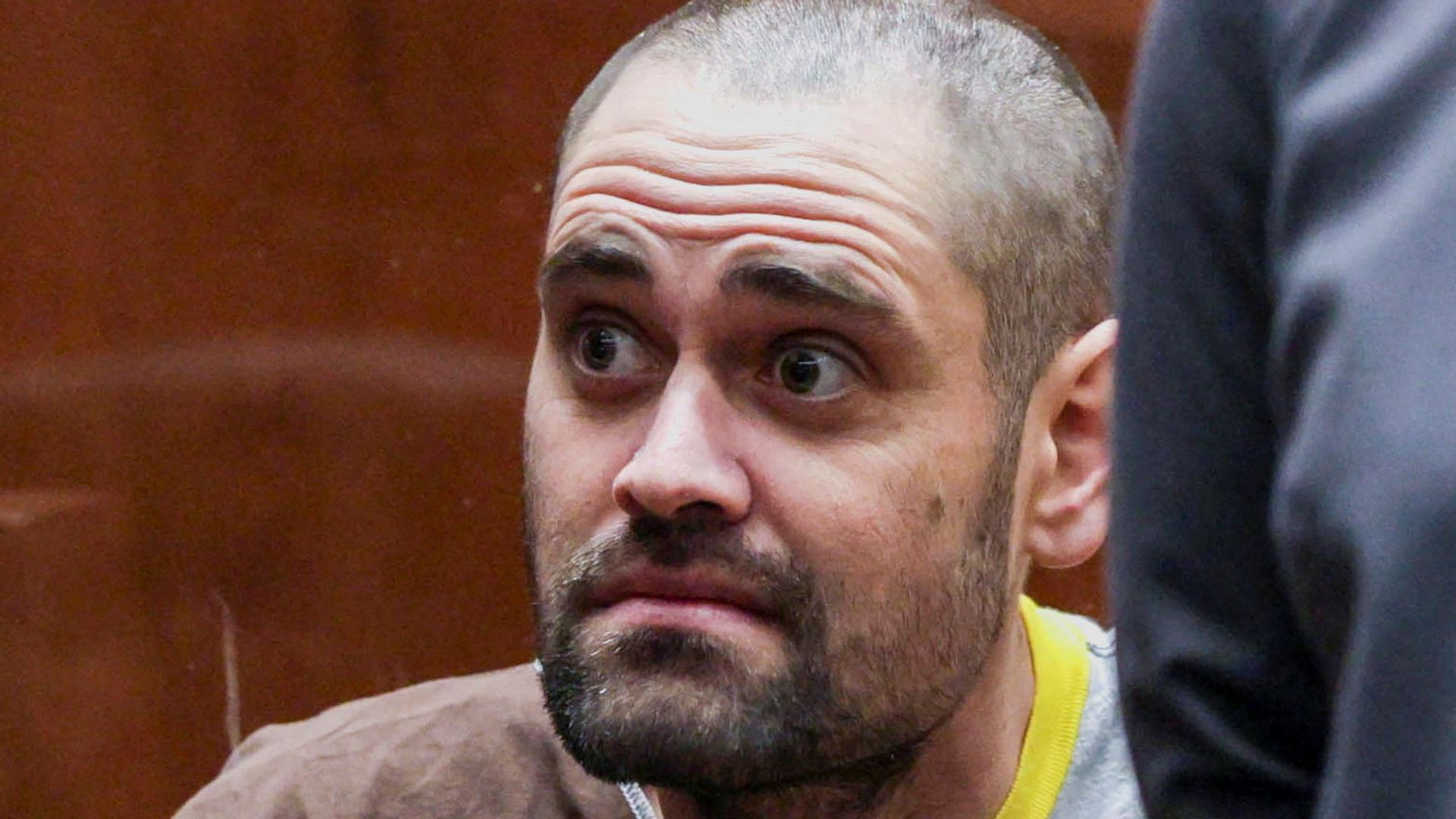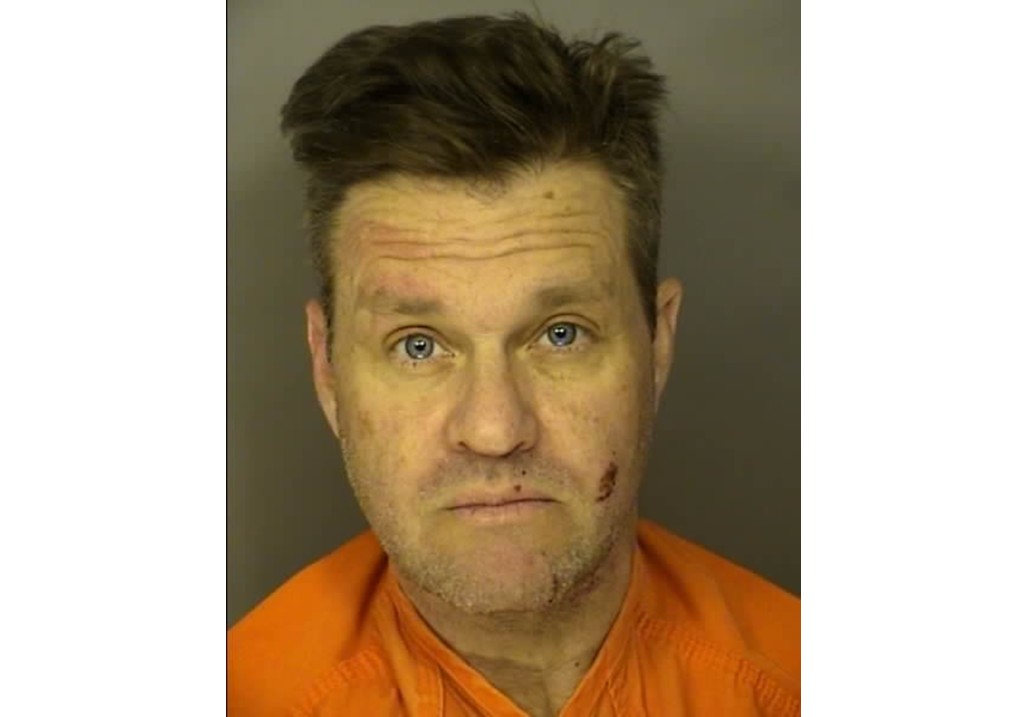
Zachery Ty Bryan, once the quintessential All-American boy on the massive 1990s sitcom Home Improvement, has been arrested again. This latest booking marks his sixth significant run-in with the law in just five years, a staggering frequency that suggests a life in total freefall. While the headlines focus on the mugshot, the reality is a grim cycle of domestic violence charges, felony DUIs, and allegations of financial fraud. It is no longer a story of a "troubled actor" making mistakes; it is a case study in the systemic collapse of a former child star who failed to transition into a stable adult life.
The pattern of behavior began to accelerate publicly in 2020, but the roots of such a collapse often go back decades. When a person spends their formative years as a primary breadwinner for a family, the psychological scaffolding required for adulthood often never finishes building. For Bryan, the transition from being Brad Taylor—the eldest son of "The Tool Man"—to a private citizen was never clean. He chased the high of the industry through various production ventures and cryptocurrency schemes, many of which ended in lawsuits and accusations of "rug-pulling" investors.
The Oregon Incident and the Pattern of Violence
The most disturbing aspect of Bryan’s recent history is the recurring nature of his domestic disputes. In October 2020, he was arrested in Eugene, Oregon, following a physical altercation with a woman. The charges were severe: felony strangulation, fourth-degree assault, and interfering with making a report. He eventually pleaded guilty to two lesser counts, but the legal leniency did little to curb the behavior.
Violence is rarely an isolated event in these trajectories. It is often the outward expression of a complete loss of control in other areas of life. By the time he was arrested in July 2023 for another domestic violence incident, the narrative of a "comeback" was dead. This wasn't a one-time lapse in judgment fueled by a bad night; it was a documented lifestyle.
Alcohol and the DUI Cycle
Woven through the assault charges is a persistent struggle with substance abuse. Bryan’s arrest record is littered with driving under the influence (DUI) charges, which escalated to felony status due to his priors. In early 2024, he was again taken into custody after a traffic stop revealed a blood-alcohol level well beyond the legal limit.
For a public figure, a DUI is a choice to gamble with the lives of others. For a veteran analyst watching the industry, it is the loudest distress signal a human being can send. It shows a person who has lost the ability to self-regulate and who no longer fears the consequences of the legal system. When the threat of prison time no longer acts as a deterrent, the individual has reached a point of total detachment from social norms.
The Cryptocurrency Shadow and Financial Desperation
Beyond the physical violence and substance abuse lies a more modern, calculated form of chaos: the world of high-stakes financial speculation. Bryan positioned himself as a tech mogul and crypto expert during the Bitcoin boom. He claimed to have made a fortune early on, yet investigative reports from sources like The Hollywood Reporter painted a much darker picture.
Multiple individuals have come forward alleging that Bryan used his "Home Improvement" fame to solicit investments for various ventures that never materialized. The mechanics of these alleged scams are familiar to anyone who follows white-collar crime.
- The Hook: Leveraging a recognizable face to build unearned trust.
- The Pitch: Offering "exclusive" access to tech startups or coin offerings.
- The Fade: Once the money is sent, communication becomes sporadic, eventually ending in total silence or excuses about "legal complications."
This financial pressure likely fueled the stress that manifested in his personal life. It is difficult to maintain the facade of a successful entrepreneur when the bank accounts are draining and the legal threats are mounting. The "why" behind his spiral is likely a toxic cocktail of ego, financial ruin, and the refusal to accept a life outside of the spotlight.
Why the Industry Safety Net Failed
The entertainment industry is notoriously bad at "aftercare" for child actors. Once the ratings dip and the production wraps, the support systems—agents, managers, publicists—often move on to the next profitable asset. Bryan was left with the remnants of fame but none of the structure.
The Problem of the Perpetual Child
In the eyes of the public, Zachery Ty Bryan is perpetually fourteen years old, wearing a flannel shirt and holding a wrench. This "time-capsule" effect makes it incredibly difficult for former child stars to find identity in the real world. When they fail, they don't fail as private citizens; they fail as public symbols of our own nostalgia.
The industry creates a vacuum. It provides immense wealth and validation during childhood, then extracts it all during the mid-twenties. If the individual hasn't developed a skill set or a sense of self-worth that isn't tied to being "the kid from that show," the resulting identity crisis is often violent and public.
The Legal Reality of the 6th Arrest
His most recent arrest isn't just a statistic. It represents a total failure of the probation and rehabilitation systems. After his 2020 and 2023 arrests, he was given multiple opportunities to seek treatment and comply with the law. He didn't.
Under the law, a sixth arrest usually signals the end of "slap on the wrist" sentencing. Prosecutors are now looking at a man who is a habitual offender. This means mandatory minimums and the very real possibility of a multi-year prison sentence. For Bryan, the walls haven't just closed in—they have locked.
The Impact on the Victims
Lost in the coverage of the celebrity downfall are the people on the receiving end of his outbursts. The domestic violence survivors and the investors who lost their life savings are the true casualties of his spiral. High-end journalism requires us to look past the "sad star" narrative and acknowledge the wreckage he has left in his wake.
The defense often cited by celebrities—"I'm struggling with mental health"—is valid, but it is not a shield against accountability. When mental health struggles turn into physical assaults and financial theft, the conversation must shift from "recovery" to "justice."
The Myth of the Hollywood Comeback
We love a redemption story. We want to believe that any fallen star can go to rehab, do a tearful interview with a major network, and return to our screens. But the Zachery Ty Bryan story isn't heading for a redemption arc. It is a cautionary tale about the reality of recidivism.
The sheer volume of his arrests suggests a deep-seated pathology that a simple 30-day program won't fix. He has been given the "industry pass" more times than most, and he has burned it every single time. At a certain point, the industry and the public must stop asking when he’s coming back and start asking how he was allowed to go this far for this long.
Breaking the Cycle
To understand how to prevent the next Zachery Ty Bryan, we have to look at how we treat young talent. It isn't enough to provide a tutor on set. There needs to be a mandatory, long-term financial and psychological framework that persists long after the show is cancelled.
- Trust Fund Oversight: Stricter laws on how child earnings are managed into adulthood to prevent the "burn rate" that leads to financial desperation.
- Mandatory Career Counseling: Preparing actors for the 95% chance that they will not be famous by age thirty.
- Legal Accountability: Ending the culture of "deferential treatment" for minor celebrities in the court system, which often enables a spiral to get worse before it gets better.
Zachery Ty Bryan's sixth arrest is a definitive signal that the "Home Improvement" era is over, replaced by a cold, hard legal reality. He is no longer a child star; he is a 42-year-old man facing the consequences of a decade of unchecked aggression and entitlement.
The next time a mugshot of a former child star hits the wires, don't look at it as an isolated tragedy. Look at it as the inevitable result of a system that prizes the "brand" over the human being. If you want to help, stop clicking on the nostalgia and start demanding better protections for the people we use for our entertainment before they end up in a jail cell. Reach out to organizations like A Kid’s Act or SAG-AFTRA’s foundation to support programs that actually provide the "aftercare" these performers so desperately need.