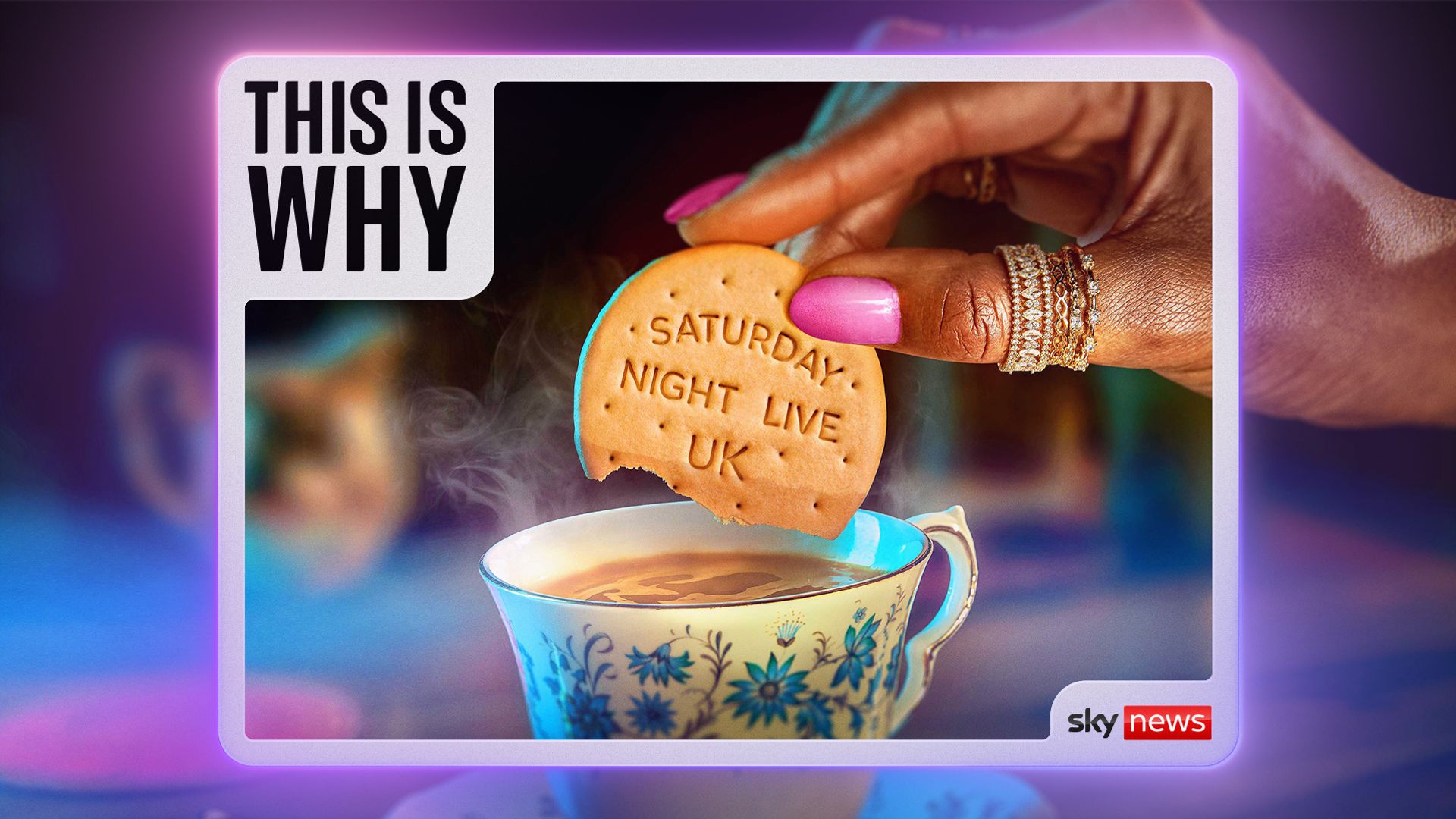
British comedy is currently stuck in a loop of polite panel shows and safe stand-up specials. It’s predictable. We’ve spent decades watching the same six comedians rotate through chairs on Taskmaster or 8 Out of 10 Cats. While the US has Saturday Night Live—a cultural institution that’s been a kingmaker for fifty years—the UK hasn't successfully bottled that lightning. News of a potential British SNL adaptation usually draws eye-rolls from skeptics who remember failed experiments like Saturday Live. But they're wrong. The timing for a high-stakes, live, topical sketch show in London has never been better.
The logic is simple. Our current landscape is fragmented. You get your satire from TikTok, your sitcoms from streaming services, and your topical jokes from Twitter. There’s no central "watercooler" moment anymore. A British SNL wouldn't just be about sketches. It would be about reclaiming a live televised experience that feels dangerous.
The myth that British humor is too cynical for the SNL format
Critics love to say that the American SNL format is too glossy for our gritty sensibilities. They argue we prefer the dry, understated wit of The Office or the surrealism of Monty Python. That’s a lazy take. Look at the history of British satire. Shows like Not the Nine O'Clock News and Spitting Image were fast-paced, aggressive, and deeply popular. We have a massive appetite for topical comedy that hits hard and fast.
The problem isn't the humor. It’s the delivery.
Most UK comedy is filmed months in advance. By the time it airs, the joke is dead. A live format forces writers to be relevant. It creates a "did you see that?" energy that you can't get from a pre-recorded Netflix special. If a politician makes a fool of themselves at 4:00 PM on a Saturday, a British SNL could have a parody on air by 9:00 PM. That’s the power of the format. It turns comedy into a living document of the week.
Breaking the panel show monopoly
Let’s be honest about the state of the industry. The panel show circuit has become a closed shop. It’s a comfortable gig for established names, but it does very little to build the next generation of character actors or sketch writers. SNL works in the US because it’s a boot camp. It takes unknown performers from places like The Groundlings or Second City and turns them into movie stars.
In the UK, we have an incredible well of talent in the "fringe" scenes. We have character comedians performing to forty people in damp basements in Edinburgh who are world-class. A British SNL provides a massive, high-pressure stage for those people. It’s not about finding the next person who’s "good at being themselves" on a panel. It’s about finding the next Phil Hartman or Kate McKinnon.
The BBC and Channel 4 have retreated from sketch comedy because it’s expensive and risky. It’s much cheaper to put five people behind desks and tell them to talk about the news. But that’s led to a stagnation. We need a show that demands new characters, new voices, and high production values every single week.
Why the 2026 media climate makes this move essential
The way we consume media has shifted. Linear TV is dying, but "live" events are thriving. People want to feel like they're part of a moment. Saturday Night Live thrives on YouTube and social media because its sketches are modular. You don't need to watch the whole ninety minutes to enjoy a three-minute parody of a viral news story.
A British version would be an engine for digital growth. Imagine a sketch about a disastrous Downing Street press conference going viral ten minutes after it airs. That’s how you reach a younger audience that has largely abandoned traditional broadcast TV. It’s about creating content that has a shelf life beyond the initial broadcast while still feeling urgent in the moment.
Overcoming the ghost of Saturday Live
Whenever this comes up, people point to the 1980s. Saturday Live was the UK’s attempt to capture that spirit, and while it launched careers like Ben Elton and Harry Enfield, it didn't last as a permanent fixture. People use this as proof that the format doesn't work here.
That’s a mistake.
The 80s version failed because it became too reliant on stand-up sets rather than a cohesive ensemble. SNL works because of the "Not Ready for Prime Time Players." It’s a troupe. The chemistry between the cast members is what keeps people coming back even when the writing is hit-or-miss. A modern British version needs to lean into the ensemble. It needs a permanent home, a dedicated writing room, and the bravery to let performers fail.
The logistical reality of a London writer's room
Success depends on the "pressure cooker" environment. In the US, the SNL schedule is legendary. Monday is the pitch meeting. Tuesday is the all-nighter writing session. Wednesday is the table read. It’s a grueling cycle that produces a specific kind of raw, energetic comedy.
We have the talent. We have the political chaos to fuel the writing. What we lack is the platform. Sky or ITV could realistically host this, but it requires a massive budget for sets, costumes, and a live band. It’s a huge swing. But the payoff is a brand that stays relevant for decades.
How to actually make this happen
The first step is moving away from the "celebrity host" obsession. While SNL uses big names to draw viewers, the heart of the show is the cast. A British version should prioritize finding six to eight incredible, unknown versatile performers. Give them the keys to the kingdom.
Stop playing it safe. The best SNL sketches are the ones that feel like they might get the network in trouble. British comedy has become too worried about offending the wrong people or failing to meet a specific demographic quota. True satire is an equal-opportunity offender. It needs to be sharp, biting, and occasionally weird.
Start by looking at the successful online creators who are already doing this on a shoestring budget. There are writers on YouTube and TikTok producing sharper political satire than anything currently on the BBC. Bring them into a professional writers' room. Give them the resources of a major network. That’s how you spark a new era.
The demand is there. People are tired of the same old formats. They want something that feels alive. A British SNL isn't just a copycat move; it’s a necessary evolution for a comedy scene that has been resting on its laurels for far too long. It’s time to stop talking about the "Golden Age" of British comedy and start building the next one.
Go watch a local character comedy night. See the talent that isn't on your TV screen yet. That’s the future of the industry, and it's just waiting for a stage big enough to hold it.