Jeffrey Sachs is a brilliant man who has spent decades being wrong about the mechanics of power. His latest alarmist take—that a widening conflict in West Asia (the Middle East) will "ruin" the global economy unless the BRICS nations ride in like a multipolar cavalry—is a textbook example of academic catastrophizing. It ignores the structural resilience of modern markets and, more importantly, it fundamentally misunderstands what BRICS actually is.
BRICS is not a cohesive economic fire department. It is a disorganized WhatsApp group of rivals who happen to share a distaste for the US dollar. To suggest they are the "only hope" for global stability isn't just a stretch; it is a hallucination.
The Myth of the Unstoppable Oil Shock
The core of the "ruin" argument always starts with oil. The logic is stuck in 1973: War in the Middle East equals $200 barrels, which equals global hyperinflation, which equals the end of civilization.
It’s time to update the map.
The global energy supply is no longer a monolith controlled by a few sultans. The United States is currently the largest crude oil producer in history. Brazil, Guyana, and Canada have added massive capacity. Even more damaging to the "ruin" theory is the decoupling of GDP growth from oil consumption in the West. We are significantly more energy-efficient than we were during the Carter administration.
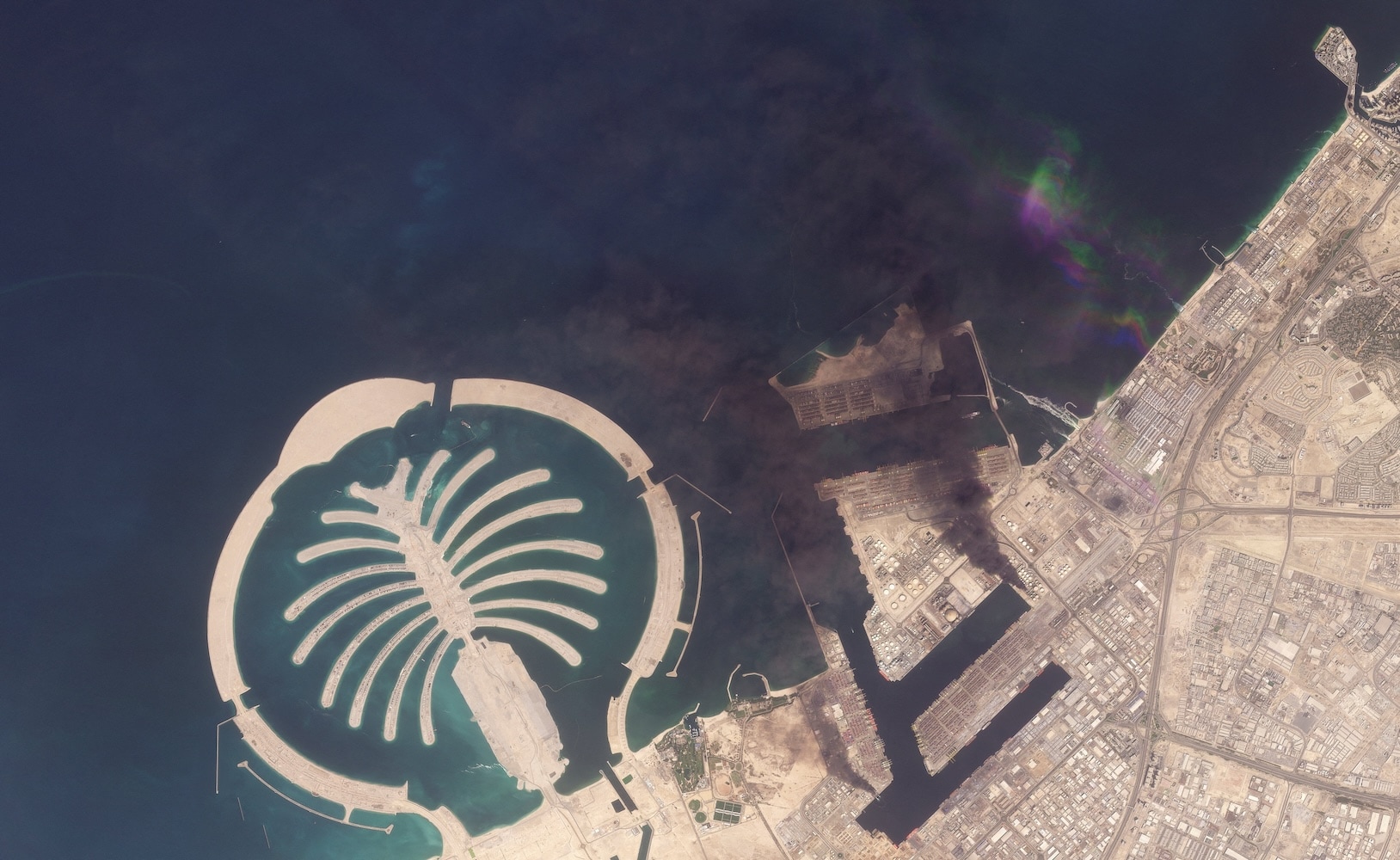
If the Strait of Hormuz closes tomorrow, it won't be a "global" ruin. It will be a regional catastrophe for the nations that rely on that specific corridor—primarily China and India. This is the great irony of the Sachs argument: the very BRICS nations he expects to "save" the world are the ones most vulnerable to the supply chain disruptions he fears. The West would hurt, certainly, but the East would starve.
BRICS is an Acronym, Not an Alliance
People treat BRICS as if it’s a shadow G7 with a unified command structure. I have spent years analyzing emerging market flows, and the reality is far messier.
China and India are currently in a cold war over Himalayan borders. Egypt and Ethiopia—newly minted members—are at each other’s throats over Nile water rights. Iran and Saudi Arabia are historical arch-rivals who only recently started speaking again because China wanted a photo op.
How does a group that cannot agree on a common currency or a unified border policy suddenly coordinate a global economic rescue? They don't. They lack the institutional architecture. They lack a shared legal framework. Most importantly, they lack mutual trust.
The "Multipolar World" is not a synchronized swimming team. It is a mosh pit.
The Fallacy of the Fragile Global Economy
We have been told for three years that the global economy is on the brink of a "polycrisis." We’ve survived a global pandemic that shuttered the planet, the largest land war in Europe since 1945, and the fastest interest rate hiking cycle in forty years.
And yet, global trade persists.
The global economy is not a delicate glass vase; it is an invasive weed. It adapts. It reroutes. When the Red Sea became a shooting gallery for Houthi rebels, did global trade collapse? No. Shipping companies added twelve days to their routes, adjusted their fuel surcharges, and kept moving.
Predicting "ruin" ignores the sheer, brutal Darwinism of international capital. Money does not stop; it just gets more expensive.
Why BRICS Intervention is a Pipe Dream
Let’s entertain the Sachs fantasy. Suppose the BRICS bloc decides to "intervene" to save the global economy. What do they actually do?
- Diplomatic pressure? Israel and its regional adversaries have shown a profound indifference to the opinions of the New Development Bank.
- Alternative payment systems? Even if they bypass the SWIFT system, they are still trading in currencies that are either pegged to the dollar or manipulated by central banks to maintain export advantages.
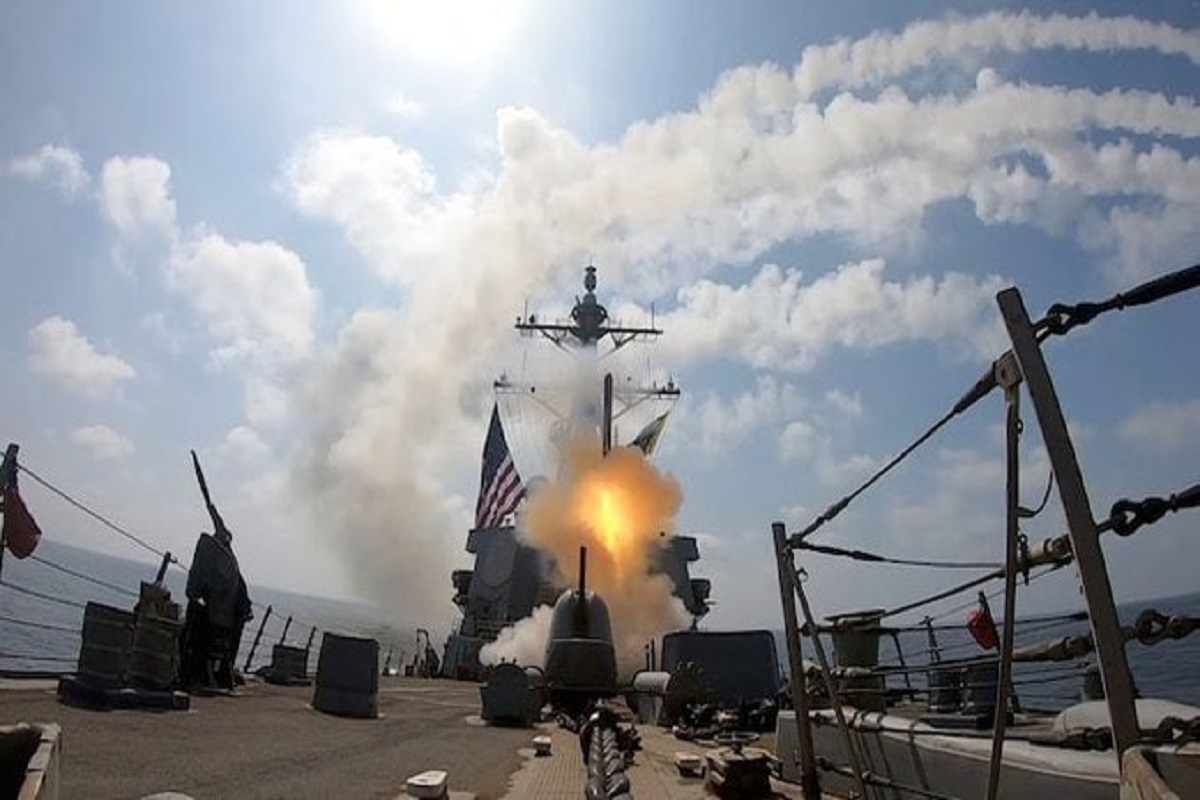
- Security guarantees? China has one naval base in Djibouti. They are not equipped to police the world’s shipping lanes. They rely on the US Navy to keep the oil flowing to Shanghai, even as they criticize the "hegemon" that provides the security.
The idea that BRICS can dictate terms to a warring West Asia is a misunderstanding of how power is projected. Power isn't just GDP; it's the ability to sustain a presence 5,000 miles from home. Only one power can do that, and they aren't in the BRICS.
The Reality of the "West Asian" Risk
The real risk of a wider war in West Asia isn't the "ruin" of the global economy. It is the permanent marginalization of the region.
Capital is cowardly. If a region becomes too volatile, the world simply builds a bypass. We are seeing the "China Plus One" strategy in manufacturing; we will see a "Middle East Plus One" strategy in energy and logistics.
The Suez Canal is a convenience, not a necessity. The global economy will survive by simply going around the problem. The losers won't be the global consumers; the losers will be the nations in the conflict zone who find themselves disconnected from the global grid while the rest of the world moves on to fusion, renewables, and deep-water Atlantic drilling.
Stop Asking if BRICS Can Save Us
The question itself is flawed. It assumes we need saving from a catastrophic collapse that hasn't happened despite every reason for it to occur.
If you want to understand the future of the global economy, stop listening to the ivory tower intellectuals who yearn for a neat, multipolar world managed by "consensus." Start looking at the insurance premiums of Maersk tankers and the production quotas in the Permian Basin.
The world is chaotic, decentralized, and incredibly hard to kill. No war in the Levant, however tragic, is going to change the fact that the global financial system is built on a foundation of redundancy and ruthless adaptation.
BRICS is a fascinating geopolitical experiment. It is a great place to park some speculative capital. But as a guarantor of global stability? It’s a paper tiger fueled by wishful thinking.
The global economy doesn't need a savior. It needs the academics to get out of the way and let the markets price in the risk. We aren't heading for ruin; we are heading for a messy, expensive, but ultimately functional reorganization of trade.
Quit waiting for a BRICS miracle that is never coming.