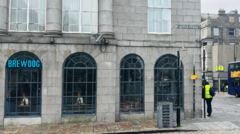
The headlines want you to believe that BrewDog is hitting the pause button out of some noble, strategic necessity to finalize a sale. They want you to think this "unprecedented" day of closure across their entire bar estate is a logistics requirement or a moment of collective reflection for the "Equity Punks."
It isn't. It’s a desperate gasp of theatrics from a brand that has spent a decade substituting genuine craft culture with aggressive marketing stunts.
Closing your doors for twenty-four hours to "complete a sale" is the corporate equivalent of a teenager tidying their room five minutes before their parents get home. If the deal is real, the paperwork happens in glass-walled offices in Mayfair or New York, not by locking the doors of a pub in Aberdeen or Camden. This isn't about administrative efficiency. This is about manufacturing a sense of "event" to mask the reality: BrewDog is officially becoming the very thing it spent years mocking.
The Myth of the Necessary Pause
The common consensus among business reporters is that a synchronized shutdown helps align staff and streamline the transition of ownership. That is total nonsense.
In a real acquisition, "Day One" readiness is managed through digital integration, midnight software patches, and back-office legwork that doesn't require a single customer to be turned away. Major retailers, global hotel chains, and massive pub conglomerates like Mitchells & Butlers manage ownership shifts without losing a single hour of trading.
When a brand closes every single location, they aren't fixing the plumbing. They are trying to reset the narrative.
James Watt and the leadership team are facing a crisis of identity. The "Punk" label has been peeling off for years, scorched by allegations of toxic workplace culture and the glaring hypocrisy of selling out to private equity interests. By framing this closure as a "step toward the future," they are trying to trick the consumer into thinking this sale is a victory for the community rather than a liquidity event for the founders.
Private Equity is Not Your Friend
Let’s dismantle the "Equity Punk" delusion right now. For years, BrewDog used crowdfunding as a primary engine for growth. They didn't just sell beer; they sold the feeling of being part of a revolution. They convinced tens of thousands of people that owning a fractional share of a brewery meant they were sticking it to "Big Beer."
Now, as the company looks to finalize a sale—likely to a massive beverage conglomerate or a ruthless private equity firm—those "punks" are about to find out exactly where they sit on the cap table. Hint: it’s at the very bottom.
The logic of private equity is simple: Efficiency is the only metric. - They don't care about "bespoke" recipes that don't scale.
- They don't care about quirky bar layouts that waste square footage.
- They certainly don't care about a "culture of rebellion" unless it can be bottled and sold at a 40% margin.
I have watched dozens of independent brands get swallowed by this machine. The first thing to go is the edge. The second thing to go is the quality. The final thing to go is the original mission. BrewDog isn't closing for a day to prepare for growth; they are closing to prepare for the autopsy of their own brand.
The High Cost of Performance Art
Closing a nationwide chain of bars for a Saturday or a busy weekday isn't just a PR move; it’s a financial hemorrhage. Think about the overhead. Rent, insurance, and salary obligations (assuming they are actually paying their staff for the "day off") don't stop just because the taps do.
From a purely operational standpoint, this is an act of fiscal vandalism.
Why would a company about to be sold intentionally tank its revenue for 24 hours? In a standard due diligence process, the buyer wants to see consistent, healthy cash flow. Stopping that flow suggests one of two things:
- The deal is already so "baked in" that the founders no longer care about the daily P&L.
- The brand is so desperate for a "reset" headline that they are willing to burn millions in potential revenue just to buy some positive PR.
If I were an investor, I wouldn't see this as a sign of strength. I would see it as a sign of a leadership team that is still addicted to the "big splash" instead of the boring, difficult work of running a sustainable business.
The Employee Alignment Lie
The official line will likely involve some variation of "bringing the team together" or "sharing our vision for the next chapter."
I’ve been in those rooms. When a company is being sold, the frontline staff—the bartenders, the cleaners, the brewers—aren't feeling "aligned." They are feeling terrified. They are wondering if their benefits will survive the merger. They are wondering if the new owners will slash hours or close underperforming sites.
A one-day shutdown isn't a team-building exercise. It's a hostage situation where employees are forced to listen to corporate double-speak about "synergy" and "value creation" while their career stability hangs in the balance.
The Wrong Question to Ask
People are asking: "What will BrewDog look like after the sale?"
That is the wrong question. The real question is: "Does BrewDog even matter anymore?"
The craft beer world has moved on. The innovation is happening in small, local taprooms that don't have marketing departments larger than their brewing teams. The "Punk" ethos has been commodified to the point of parody. You can buy Punk IPA in a supermarket for the same price as a budget lager. The rebellion ended the moment they started prioritizing shelf space over soul.
This sale isn't the start of a new era. It’s the final nail in the coffin of the independent spirit they claimed to represent.
The Strategy of Distraction
This shutdown is a masterclass in "look at the shiny object." While the media focuses on the novelty of all the bars being closed, nobody is looking at the valuation gaps, the debt load, or the disgruntled "investors" who will likely see pennies on the dollar compared to the founders' payout.
If you want to understand the health of a business, look at what they do when the cameras are off. BrewDog only knows how to perform when the cameras are on.
This isn't a strategic transition. It’s a funeral disguised as a festival. The sale will go through, the founders will walk away with generational wealth, and the bars will reopen with the same neon signs but a hollower heart.
Stop buying the "transformation" narrative. If a business has to stop functioning to change, it was never functioning properly in the first place. You don't need a day off to be a better company; you need a better company to avoid needing the day off.
The taps will turn back on tomorrow, but the "Punk" is never coming back.