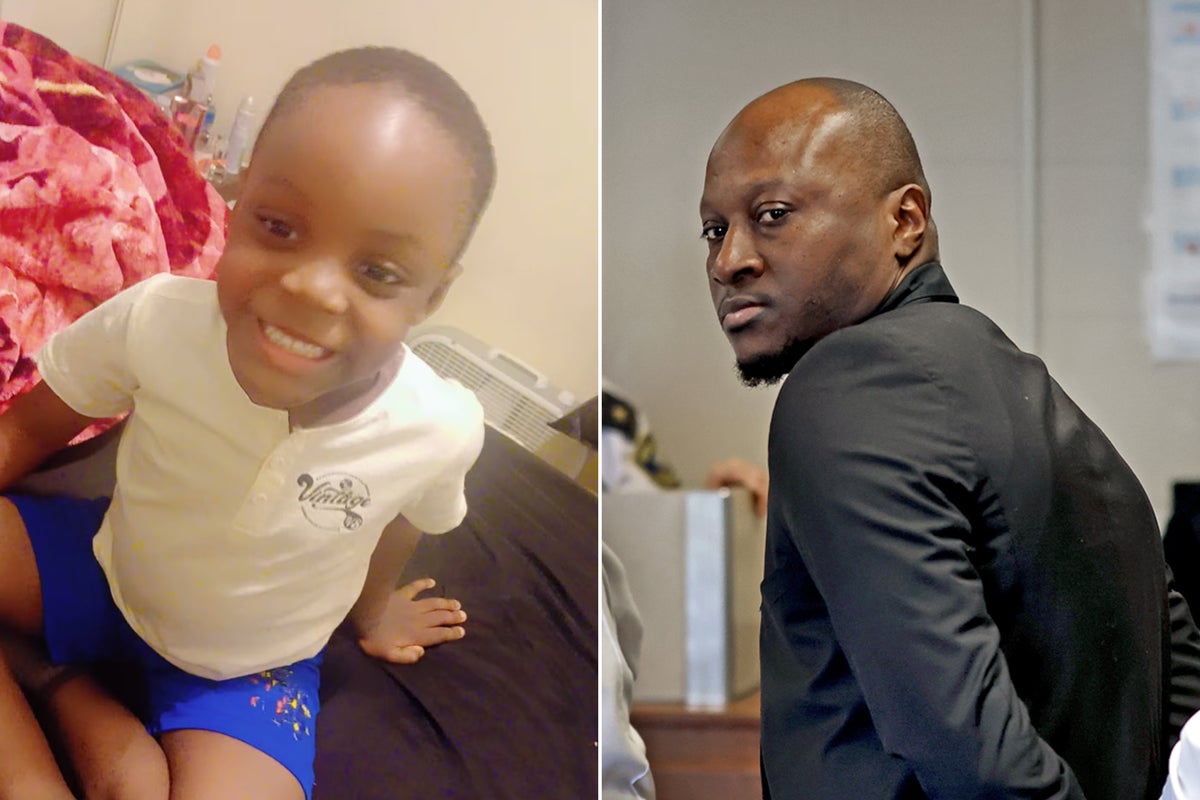
A five-year-old child should be safe the moment they step off a school bus. That’s the baseline. That’s the deal we make with the city when we hand over our kids every morning. But in Boston, that deal broke in the worst way possible. A kindergarten student was run over and killed by the very bus meant to protect him. Now, the driver faces criminal charges.
It’s a gut punch for the city. It’s a nightmare for the family. And frankly, it’s a massive wake-up call for a transportation system that’s been red-lining for years. While the headlines focus on the driver, we need to look at the systemic rot that allows these "accidents" to happen in the first place. Meanwhile, you can explore other events here: The Cold Truth About Russias Crumbling Power Grid.
The Charges Against the Driver
The Suffolk County District Attorney’s office didn't hold back. They’ve charged the driver with motor vehicle homicide and negligent operation. Prosecutors allege that the driver failed to follow basic safety protocols after the boy stepped off the bus. In these cases, the law looks at whether the person behind the wheel exercised "reasonable care."
When you’re operating a multi-ton yellow machine filled with small humans, "reasonable care" is a high bar. It means checking every mirror. It means waiting for that child to clear the "danger zone"—the ten-foot radius around the vehicle where a driver’s visibility drops to zero. According to the investigation, those steps weren't hit. To explore the full picture, we recommend the recent report by The New York Times.
The driver appeared in court looking shaken. That doesn't change the reality for the family. In Massachusetts, motor vehicle homicide by negligence can carry a jail sentence, but no amount of time behind bars brings back a kindergartener who was just starting to learn his high-frequency words.
A Failure of Technology and Training
We live in 2026. We have cars that can parallel park themselves and sensors that beep if you drift a half-inch out of your lane. Why is a school bus—the most precious cargo carrier on the road—still relying primarily on a set of convex mirrors and a driver’s prayer?
Most modern buses are supposed to be equipped with motion sensors and 360-degree cameras. But "supposed to be" and "actually are" are two different things in a cash-strapped urban school district. We see older fleets kept on the road way past their prime. We see sensors that get caked with snow and salt and stop working.
- Blind Spots: The area directly in front of and behind the bus is a dead zone.
- Sensor Fatigue: Drivers often deal with "false positives" from sensors, leading them to tune out the warnings.
- Training Gaps: Districts are so desperate for drivers they’re rushing people through the pipeline.
If the technology was there and it didn't work, that’s a liability issue for the manufacturer. If the technology wasn't there at all, that’s a policy failure by the city.
The Bus Driver Shortage Crisis
Boston, like every other major American city, is screaming for bus drivers. They’re offering signing bonuses. They’re lowering requirements. They’re practically begging people to take the wheel. But when you’re desperate, you cut corners.
I’ve talked to veteran drivers who say the pressure is unreal. They’re told to keep tight schedules despite Boston’s legendary gridlock. They’re managing fifty screaming kids while trying to navigate narrow streets built for horses, not massive transit vehicles.
Does that excuse running over a child? Absolutely not. Never. But it creates an environment where mistakes are inevitable. A tired, stressed, or under-trained driver is a dangerous driver. When we treat school bus driving as a low-tier gig job instead of a high-stakes safety profession, we get these results.
Legal Precedents and What Happens Next
This isn't the first time Boston has seen a tragedy like this, and if things don't change, it won't be the last. Civil lawsuits almost always follow the criminal charges. The family will likely sue the bus company—often a private contractor like Transdev or First Student—and the city itself.
In previous Massachusetts cases, these settlements reach into the millions. But the legal battle is really about discovery. It’s about getting internal emails and maintenance logs. It’s about finding out if this driver had previous complaints. It’s about seeing if the bus had reported mechanical issues that were ignored to keep the route running.
The defense will likely argue that the child darted into a blind spot or that it was a tragic accident devoid of criminal intent. But negligence doesn't require "intent." It only requires a failure to do what a sensible person would do. Most people agree that a sensible person ensures a five-year-old is on the sidewalk before hitting the gas.
Real Steps for Parent Advocacy
If you're a parent in the Boston Public Schools system, you can't just sit back and hope for the best. You have to be loud. This tragedy should be the catalyst for immediate, non-negotiable changes to how our kids get to school.
Start by demanding a public audit of the safety tech on every single bus in the BPS fleet. If a bus doesn't have functioning external motion sensors, it shouldn't be on the road. Period. Don't accept the "we don't have the budget" excuse. The city somehow finds money for stadium upgrades and luxury developments. They can find money for bus cameras.
Second, push for the "Second Adult" rule on routes with high numbers of elementary students. Having a monitor on the bus isn't a luxury; it’s a safety requirement. A driver can't watch the road and the kids and the mirrors all at once.
Lastly, hold the School Committee accountable. They sign the contracts with the private bus companies. If those companies aren't meeting safety benchmarks, their contracts should be shredded. We need to stop prioritizing the lowest bidder and start prioritizing the lives of five-year-olds.
Check your child's bus number. Look at the driver. Ask your kid if the bus ever feels "scary" or if the driver seems rushed. Being the "annoying" parent is a small price to pay to ensure your kid actually makes it through the front door at the end of the day.