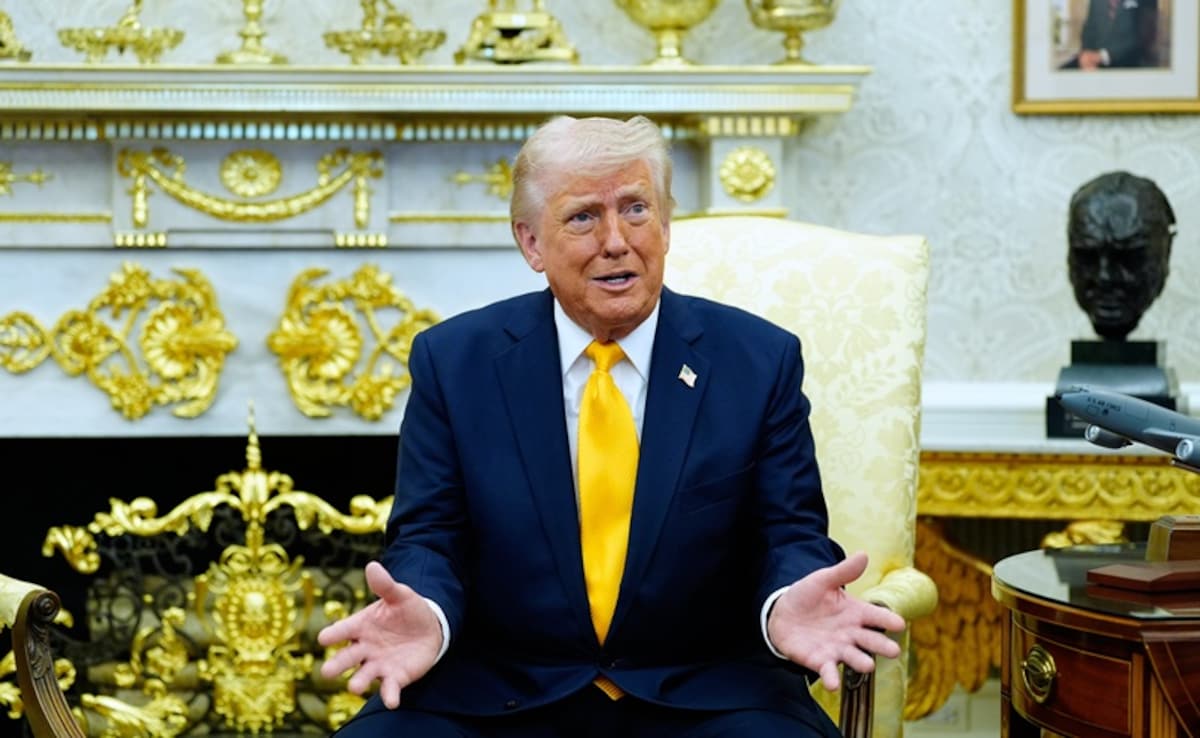
The proposal to shift specialized immigration enforcement officers to airport security checkpoints is more than a logistical pivot. It is a fundamental dismantling of the specialized labor force. By threatening to move "patriotic" agents from their posts at the border or within interior enforcement to handle TSA-style screenings, the administration isn't just filling gaps in airport personnel. It is signaling a shift where ideological loyalty matters more than technical placement. This move effectively turns a highly trained investigative and enforcement apparatus into a glorified concierge service for travelers, leaving a massive vacuum in actual border security and internal investigations.
The High Cost Of Deskilling Professional Enforcers
Immigration and Customs Enforcement (ICE) and Customs and Border Protection (CBP) officers are not interchangeable widgets. These individuals undergo months of specialized training in criminal law, human trafficking detection, narcotics interdiction, and complex surveillance. Pulling them from these roles to stand at a magnetometer represents a massive "sunk cost" fallacy at the federal level.
When an agent who spent years mastering the nuances of identifying cartel-linked shell companies or tracking illicit cargo is reassigned to check boarding passes, the taxpayer loses. The government has spent hundreds of thousands of dollars training that agent for a specific, high-level task. Moving them to a role that requires a fraction of that expertise is a waste of human capital. It is the equivalent of using a surgeon to change bandages in a walk-in clinic because the clinic is short-staffed.
The Hidden Risk To Aviation Safety
The assumption that "more boots on the ground" at airports makes them safer is a surface-level take. High-level agents are trained for the "hunt." They look for patterns and anomalies that indicate deep-seated threats. TSA officers, while vital, are trained for the "sift." They are the filter through which the general public passes.
Forcing ICE or CBP agents into TSA roles creates a friction point within the agencies. These agents didn't sign up to be screeners. Morale, which is already at a historic low in many federal law enforcement circles, faces a terminal blow when personnel feel their specialized skills are being insulted. A disgruntled agent at a security checkpoint is a distracted agent. If the goal is truly "patriotic" service, putting people in positions where they feel undervalued and misused is the fastest way to create a security vulnerability.
The Empty Border Problem
If you move thousands of agents to major hubs like JFK, LAX, or O’Hare, you create a physical void elsewhere. The border is not a self-regulating entity. It requires constant, active patrolling and intelligence gathering. This proposed migration of labor essentially creates "soft spots" in our national defense.
Cartels and smuggling rings monitor these administrative shifts with more precision than the average citizen. They understand that a surge in airport staffing often means a thinning of the line in the desert or at secondary ports of entry. By prioritizing the optics of "orderly airports" during high-travel seasons or political flashpoints, the administration risks conceding the actual high-ground where the most dangerous illegal activity occurs.
The Bureaucratic Shell Game
This isn't the first time a government has tried to solve a staffing crisis by cannibalizing another department. However, the scale of this proposal is unprecedented. Usually, "surges" are temporary and involve voluntary overtime. This threat of forced reassignment is different. It functions as a disciplinary tool.
By framing the move as something for "patriotic" agents, the administration sets up a litmus test. If an agent complains about being moved from a high-stakes investigation to a luggage line, their loyalty is questioned. This creates a culture of silence where experts are afraid to point out the operational insanity of the plan for fear of being labeled uncooperative or "unpatriotic."
Economic Ripples Beyond The Terminal
The business of immigration enforcement is tied directly to the legal flow of commerce. When agents are pulled away from processing centers or interior enforcement, the backlog for legal stays, work permits, and corporate compliance audits grows. This isn't just about "catching bad guys." It is about the machinery of the state.
Companies that rely on the timely processing of visas or the clearance of specialized goods will see delays. The "Border to Baggage" pipeline slows down the entire economy. While the public sees a shorter line at the airport, the business community feels the grit in the gears of the administrative state. The trade-off is invisible to the casual observer but devastating to the bottom line of international commerce.
A Breakdown In Intelligence Gathering
The most significant casualty of this plan is the loss of long-term intelligence. Effective immigration enforcement relies on relationships and long-term surveillance. When you uproot an agent to move them to a different city for airport duty, you kill the "leads" they were working.
Informants go cold. Patterns of life are no longer observed. The institutional knowledge of a specific geographic area or a specific criminal cell vanishes the moment that agent is reassigned. You cannot simply "pause" an investigation into a human smuggling ring for three months while the lead investigator checks IDs in Atlanta. By the time the agent returns, the trail is not just cold; it’s gone.
The Myth Of Universal Personnel
There is a persistent belief in certain political circles that "law enforcement is law enforcement." This is a fallacy that ignores the hyper-specialization of the 21st century. An agent trained in maritime interdiction has a completely different skill set than one trained in document fraud or airport security.
The legal authorities granted to these different roles are also distinct. Forcing an agent to operate in a capacity where they are not fully versed in the specific SOPs (Standard Operating Procedures) of that environment is a recipe for legal disaster. One wrong move at a checkpoint, one improper search by an over-qualified but under-briefed agent, and the government faces a barrage of civil rights lawsuits.
Structural Decay Over Temporary Fixes
We are looking at a structural decay of the civil service. When leadership treats specialized personnel as an undifferentiated mass of labor, it destroys the incentive for excellence. Why bother becoming an expert in cyber-crimes or forensic accounting within the DHS if you can be plucked at any moment to do manual labor at a terminal?
The best and brightest will leave. They will go to the private sector, where their skills are respected and their job descriptions are stable. What remains is a hollowed-out husk of an agency, populated by people who either don't have other options or are so ideologically driven that they don't care about the efficacy of their work.
The Spectacle Of Security
Ultimately, this move is about optics. It is about the "spectacle" of security rather than the substance of it. A uniformed agent with a high-profile badge standing at an airport entrance looks "tough" to the passing traveler. It creates an illusion of a hyper-vigilant state.
But true security is often invisible. It happens in windowless offices where data is crunched, or in the middle of the night on a lonely stretch of the Rio Grande. By pulling the curtain back and putting these agents in the middle of a crowded airport, the administration is trading real safety for the appearance of it. It is a shell game played with the nation’s defense.
The reality is that you cannot maintain a secure border and a functional immigration system by treating your most valuable assets like pawns. If the government continues to prioritize political posturing over professional specialization, the gaps in our national security won't just be at the airport—they will be everywhere. The next time you see a specialized agent checking your shoes at the airport, don't feel safer. Ask yourself what part of the border they were pulled away from to be there.
The erosion of a professional enforcement class is a one-way street. Once you break the spirit of the specialized agent and dismantle the investigations they were leading, you don't get that expertise back overnight. You are left with a workforce that follows orders but lacks the initiative or the knowledge to stop the threats that actually matter. The "Patriotic" label won't stop a shipment of fentanyl or a human trafficking ring. Only trained, well-placed, and respected professionals can do that.
Stop looking at the line in front of you and start looking at the gaps being left behind.
.jpg?width=1200&auto=webp&trim=76%2C0%2C399%2C0)