The humidity in Dubai doesn’t just sit on your skin; it weight-presses the air out of your lungs. For someone trapped in a terminal, that air smells of expensive perfume, floor wax, and the metallic tang of recycled ventilation. It is a scent that, after forty-eight hours, begins to smell like a cage.
Sunil Sharma is a man who understands the architecture of success. As a CEO of Indian origin operating in the high-stakes tech corridors of the United States, his life is usually defined by friction-less motion. Business class. Expedited security. The quiet nod of recognition from a gate agent who knows his frequent flyer status. But in the wake of a sudden regional crisis that shuttered runways and grounded the silver birds of commerce, the polish of his executive world stripped away like cheap paint.
He found himself sitting on a cold floor. Not in a boardroom. Not in a suite. On the linoleum, leaning against a pillar, watching the battery percentage on his phone tick down like a heart monitor.
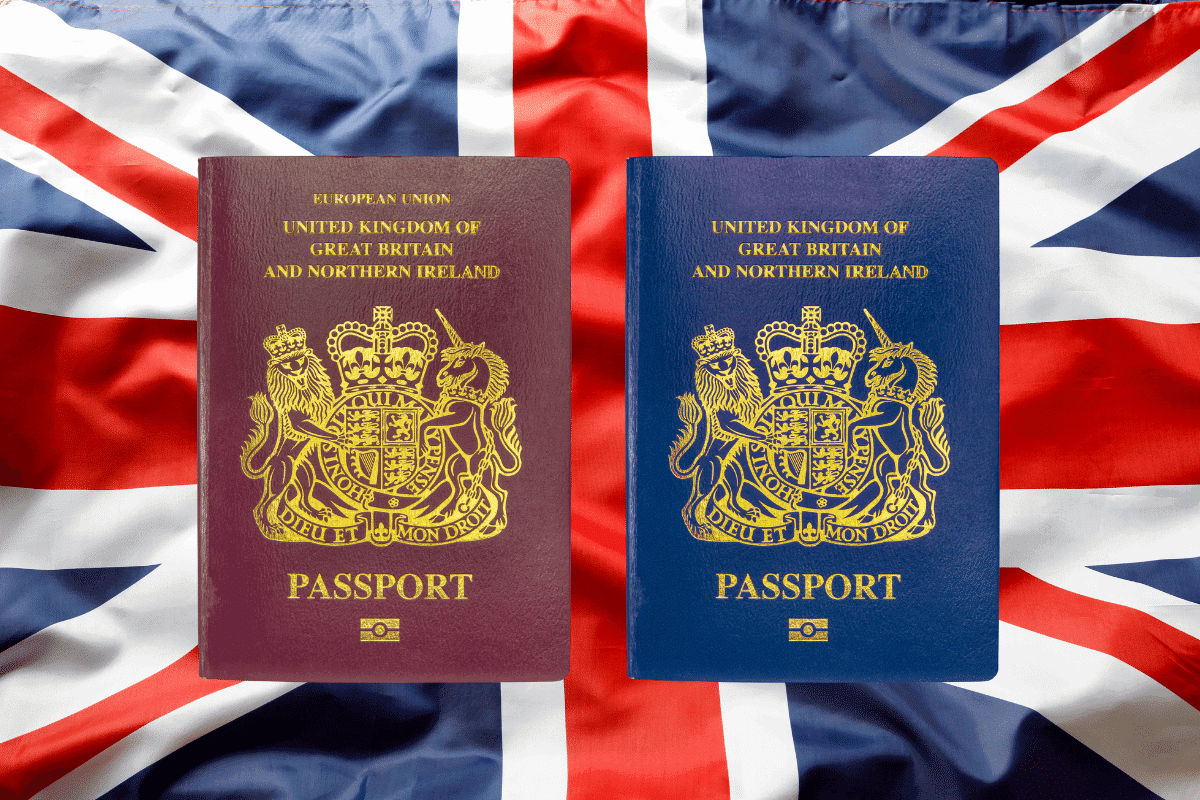
The myth of the global citizen is a beautiful one until the gears of the world stop turning. We are told that our skills, our tax brackets, and our contributions to the economy afford us a certain level of protection. We believe that the blue booklet in our pocket—the one with the gold embossed eagle of the United States—is a universal "get out of jail free" card. But when the skies closed over Dubai, Sharma discovered that his passport was less a shield and more a piece of paper that his own government seemed content to ignore.
The numbers tell a story of logistical failure, but the narrative is one of visceral abandonment. While other nations—nations the U.S. often looks down upon as "developing"—mobilized localized task forces, sent in chartered relief, or at the very least, maintained a constant stream of communication with their stranded citizens, the American response was a wall of silence.
Consider the hypothetical, yet painfully common, contrast of two travelers.
On one side of the terminal sits a young intern from a European startup. Her government has sent four automated text updates in six hours. They have established a physical desk near the transit zone. They have provided vouchers. They have acknowledged her existence.
On the other side sits Sharma. He calls the embassy. The line rings. It goes to a recording. He checks the official portals. The information is generic, outdated, and utterly useless for someone watching their medication run low or their connection to their life in America fade.
The silence from Washington wasn’t just a bureaucratic lag. To Sharma, it felt like a deliberate choice.
"I feel demoralized," he told reporters, his voice carrying the exhaustion of a man who has realized the social contract he signed was one-sided. "I feel abandoned."
Those words should haunt every frequent traveler. We pay our taxes to a system we expect to function when the sky falls. We contribute to a GDP that justifies the immense power of our diplomatic corps. Yet, when the chips were down in the desert, the CEO and the student were equally invisible to the State Department.
The psychological toll of being stranded is a specific kind of vertigo. You are in one of the most opulent cities on Earth, surrounded by gold-plated duty-free shops and high-end cafes, yet you are effectively a ghost. You cannot leave the airport because of visa restrictions. You cannot board a plane because there are none. You are a man of means who cannot buy his way back to his family because the infrastructure of your own country has decided you aren't a priority.
This is the hidden cost of the modern expat life. We move across borders with such ease that we forget the borders still exist. We forget that our safety is entirely dependent on the competence of people sitting in windowless offices in D.C. who may not know, or care, that a CEO is sleeping on a terminal floor.
Critics might argue that a CEO has the resources to figure it out. They might say that travel carries inherent risks. But that misses the point entirely. This isn't about the ability to buy a new ticket; it’s about the fundamental duty of a state to its people. If a high-profile business leader with a massive platform can be left to rot in a transit lounge for days without a word of guidance, what hope does the solo backpacker have? What hope does the family traveling on their life savings have?
The disparity in international responses during the Dubai shutdown exposed a rotting floorboard in the house of American diplomacy. While India, the UK, and several EU nations treated the crisis as a human emergency, the U.S. treated it as a clerical nuisance.
Sharma’s Indian heritage adds a layer of bitter irony to the ordeal. Here is a man who represents the "American Dream"—an immigrant who rose to the top of the corporate ladder, fueling American innovation. Yet, in the moment of crisis, the country he adopted and the country that adopted him seemed to have forgotten he was one of theirs.
The air in the terminal eventually grew colder as the night shift took over. The lights never dim in Dubai International. They stay at a clinical, blinding brightness that makes sleep a desperate, failing battle. You lose track of time. Tuesday bleeds into Thursday. The shame of needing help—real, basic, logistical help—starts to weigh heavier than the physical fatigue.
Think about the last time you felt truly helpless. Now, multiply that by a thousand miles of ocean and a government that won't pick up the phone.
We often talk about "American Exceptionalism" in terms of military might or economic dominance. But true exceptionalism should be measured by the length the government will go to fetch its people when they are in trouble. On that metric, during those dark days in Dubai, the grade was a failing one.
Sharma eventually made it out. The planes eventually flew. The humidity of Dubai was replaced by the familiar climate control of a U.S. office. But the man who returned was not the same man who left. The confidence is gone. The blind faith in the blue passport is shattered.
He knows now what many are forced to learn the hard way: when the world stops, you are only as protected as the latest memo from a department that might not even have your name on a list.
The next time you stand in a TSA line, look at the person next to you. Look at the families, the executives, the dreamers. We are all participating in a grand experiment of global mobility. We all assume that if the worst happens, someone will come for us.
Sunil Sharma is still waiting for that phone call to be returned.