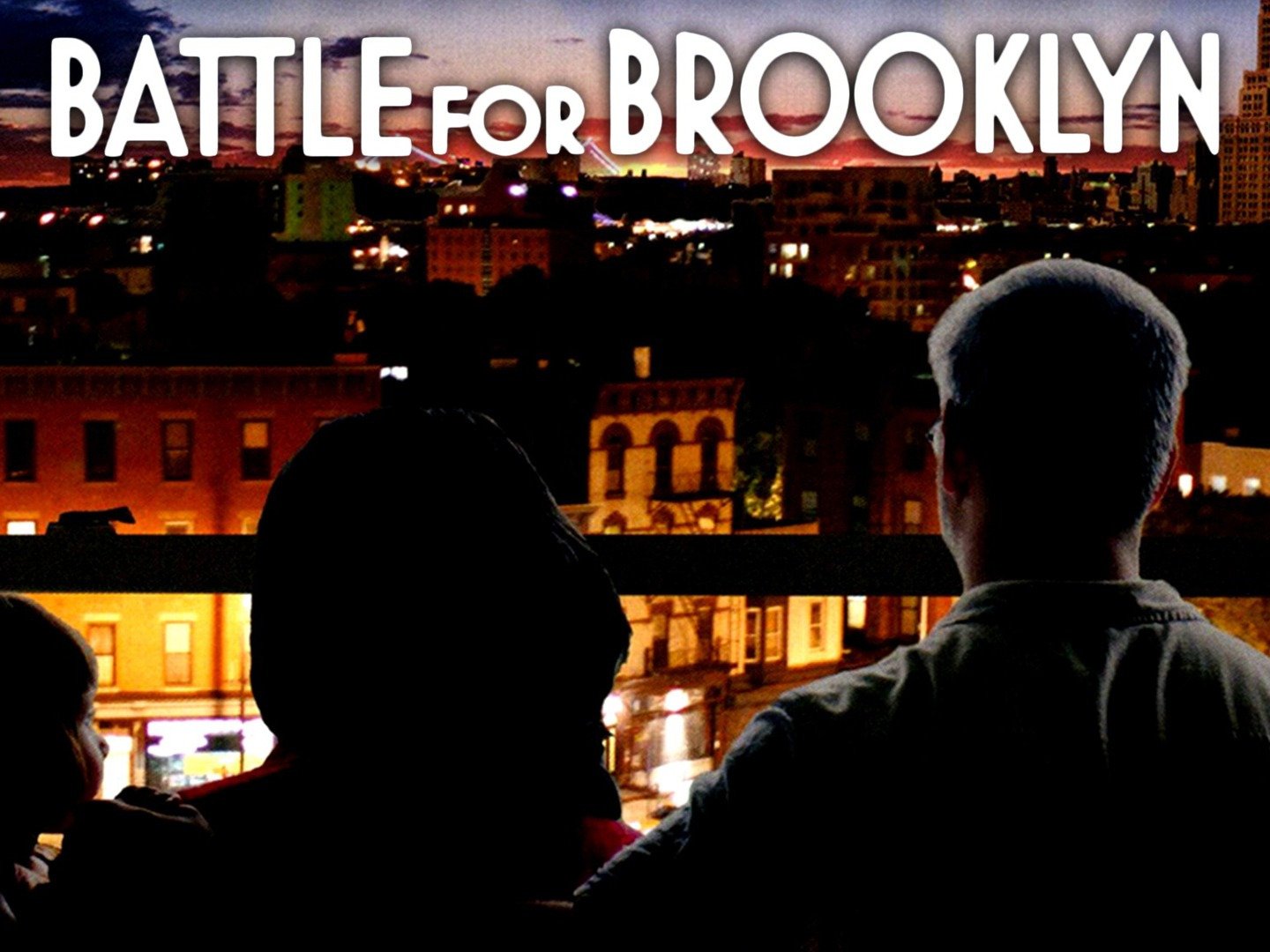
The push to rename a historic Brooklyn thoroughfare after labor icon Cesar Chavez has transitioned from a local tribute into a high-stakes investigation of political clout and community identity. What began as a petition to honor a civil rights giant has collided with a neighborhood’s deep-seated connection to its own history, revealing a fracture in the city's approach to cultural recognition. This isn't just about a street sign. It is about who owns the narrative of a neighborhood and whether symbolic gestures can heal—or further divide—a community already grappling with the pressures of rapid change.
The controversy centers on a specific stretch of Brooklyn Avenue that has served as a cultural anchor for generations. Proponents argue that renaming the street is a long-overdue acknowledgement of the Latino contribution to the American labor movement. Critics, however, view the move as an erasure of the local history that defines the area’s unique character. Between these two poles lies a complex web of city hall maneuvering, grassroots resistance, and a growing skepticism toward top-down mandates that prioritize symbolism over substantive local needs.
The Weight of a Name
Street names function as the shorthand of our collective memory. When a city decides to alter that shorthand, it signals a shift in what—and who—is deemed worthy of public reverence. In the case of Brooklyn Avenue, the name itself carries a legacy of mid-century migration and the grit of working-class families who built the neighborhood. For many residents, the name isn't a generic label; it is a tie to their own lineage.
Cesar Chavez, the co-founder of the United Farm Workers, remains a figure of immense importance. His work transformed the agricultural sector and gave a voice to millions of marginalized workers. No one in the current debate denies his stature. The conflict arises from the geographic disconnect. Opponents point out that Chavez’s primary impact was felt in the fields of the Central Valley and the halls of Sacramento, not the specific urban blocks of this Brooklyn enclave. They argue that if the city wants to honor him, it should do so in a way that doesn't involve stripping away the existing identity of a neighborhood that has its own local heroes to celebrate.
Political Capital and the Optics of Reform
The resurgence of this renaming effort is not accidental. It coincides with a broader national trend where politicians seek "quick wins" in the form of symbolic reforms. Changing a street sign is significantly cheaper and more visible than addressing the rising cost of housing or the crumbling infrastructure of the same neighborhood. By championing the Chavez renaming, local officials can project an image of progressive values without the messy, expensive work of policy overhaul.
This strategy often backfires when the community feels ignored. In recent public hearings, the atmosphere was thick with a sense of betrayal. Long-term residents expressed frustration that the city seemed more interested in the optics of the name change than the reality of their daily struggles. They see a pattern where symbolic gestures are used to distract from a lack of investment in schools, parks, and public safety. When a city focuses on the sign on the corner while ignoring the potholes in the street, it loses the trust of the people who live there.
The Mechanics of Discontent
How did a tribute become a scandal? The answer lies in the process. Investigations into the renaming proposal have uncovered a lack of transparency in how the initial support was gathered. Reports suggest that signatures were collected under the guise of general community improvement, with many residents unaware they were signing away the name of their street.
This procedural failure has fueled the fire of the opposition. It has turned a debate about legacy into a debate about ethics. When a local government bypasses genuine community engagement in favor of a pre-determined outcome, it invites a fierce defensive reaction. The "old clash" mentioned in previous reports has been reignited because the underlying issues of representation and respect were never resolved.
The Logistics of Erasure
Beyond the emotional and political weight, there are practical concerns that frequently get buried in the rhetoric of social justice. Business owners along Brooklyn Avenue have voiced legitimate worries about the cost and confusion of a sudden name change.
- Updating legal documents: Every lease, permit, and business license must be modified.
- Navigation and logistics: Delivery services, emergency responders, and tourists rely on established naming conventions.
- Marketing costs: Small businesses that have built brand equity around their "Brooklyn Ave" location face the expense of rebranding everything from signage to stationery.
These are not trivial hurdles for a community composed largely of independent shops and family-owned enterprises. For a merchant operating on thin margins, a mandatory name change represents an unfunded mandate from a city hall that claims to be on their side.
The Myth of a Monolith
One of the most significant oversights in the current narrative is the assumption that the Latino community is a monolith. The push for Cesar Chavez is often framed as a "Latino vs. Everyone Else" issue, but the reality is far more nuanced. Many Latino residents, particularly those whose families have lived on Brooklyn Avenue for decades, are among the loudest voices opposing the change.
They view the push as an imposition from outside activists and politicians who do not live in the neighborhood. They see it as a form of "cultural gentrification"—where the authentic, lived history of a place is replaced by a sanitized, politically convenient version of heritage. These residents want Chavez honored, but they want it done through the creation of new parks, libraries, or scholarships that actually benefit their children, rather than a name change that complicates their lives.
Precedent and the Slippery Slope
The Brooklyn Avenue dispute raises questions about where the renaming trend ends. If every significant historical figure requires a major thoroughfare, the map of the city becomes a revolving door of political whims. This creates a sense of instability. A neighborhood’s character is built over time through the accumulation of stories and landmarks. If those landmarks can be swapped out whenever the political winds shift, the sense of "place" begins to erode.
In other cities, similar battles have led to compromise. Some have opted for "honorary" designations where the original street name remains, but signs are added to recognize a historical figure. This preserves the history of the neighborhood while still paying tribute to a leader. In the Brooklyn Avenue case, however, the proponents have resisted this middle ground, insisting on a total replacement. This "all or nothing" approach has forced the community into a zero-sum game that leaves no room for consensus.
Reclaiming the Narrative
The path forward requires a move away from the performative and toward the substantive. If the goal is truly to honor the legacy of Cesar Chavez, the city must look at the values he championed: labor rights, fair wages, and community empowerment. Renaming a street in a neighborhood where workers are being priced out of their homes feels like a hollow gesture at best, and an insult at worst.
Authentic tribute would involve investing in the people of Brooklyn Avenue. It would mean ensuring that the workers who live there today have the same protections and opportunities that Chavez fought for decades ago. It would mean a transparent process where the voices of the residents carry more weight than the ambitions of the political class.
The scandal surrounding this renaming effort should serve as a wake-up call for urban planners and elected officials alike. A city is more than its symbols. It is a living, breathing entity defined by the people who inhabit it. When you ignore the residents in favor of the signpost, you lose the heart of the community you claim to represent.
The residents of Brooklyn Avenue are not just defending a name. They are defending their right to exist in the historical record of their own city. They are demanding a seat at the table where their identity is discussed. Until the city recognizes that a name change is not a substitute for genuine investment and respect, the battle over these few miles of pavement will continue to simmer, a reminder of the gap between political rhetoric and the lived experience of the streets.
If you are a resident or a business owner affected by these proposed changes, now is the time to demand a formal audit of the petitioning process. Engage with your local community board and insist on a transparent, public review of the fiscal impact on small businesses before a single sign is replaced.