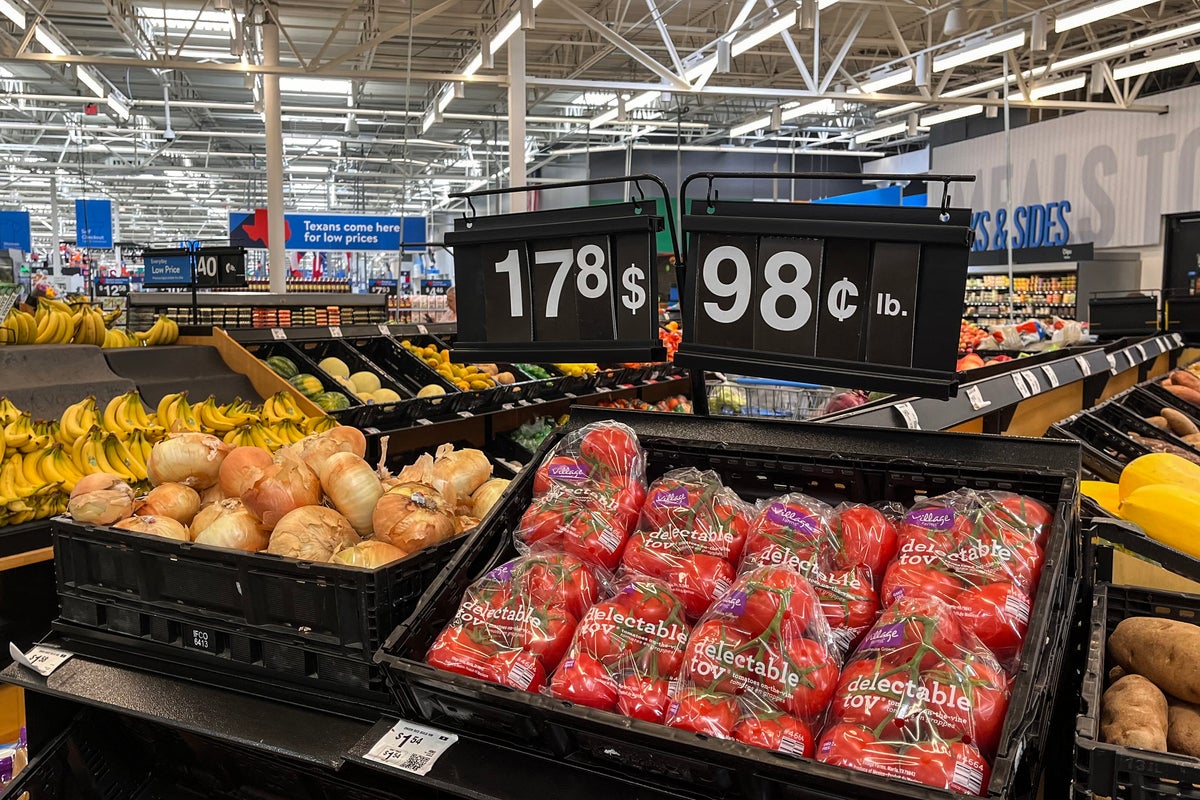
The presence of Per- and Polyfluoroalkyl Substances (PFAS) in the global food supply is not a random occurrence of contamination but the logical output of a closed-loop industrial and agricultural system. These "forever chemicals," characterized by the near-indestructible carbon-fluorine bond, have transitioned from specialized industrial coatings to systemic components of the human caloric intake. Understanding the risk requires moving beyond simple lists of "toxic" produce and toward a mechanical understanding of how these surfactants migrate from aqueous film-forming foams (AFFF) and industrial runoff into the vascular systems of plants.
The Mechanism of Phytotransformation and Transport
The primary vector for PFAS entry into fruits and vegetables is the soil-to-root interface, driven by transpiration pull. Unlike many organic pollutants that bind to soil organic matter and remain immobile, many PFAS compounds—specifically short-chain varieties—are highly water-soluble. This solubility allows them to mimic the movement of essential nutrients.
The rate of uptake is governed by the Octanol-Water Partition Coefficient ($K_{ow}$), which measures the lipophilicity of a substance.
- Short-chain PFAS (C4-C7): These exhibit lower $K_{ow}$ values, meaning they prefer the aqueous phase. They are easily absorbed by roots and translocated to the leaves and fruits of the plant via the xylem.
- Long-chain PFAS (C8+): These are more lipophilic and tend to sequester in the roots or bind to soil particles. While they pose a lower risk for fruit contamination, they represent a significant threat in root vegetables like carrots, radishes, and potatoes.
This creates a structural hierarchy of risk based on the anatomy of the crop. Leafy greens (kale, spinach, lettuce) often show the highest concentrations because they function as terminal "sinks" for the water transported through the plant. As water evaporates from the leaf surface, the non-volatile PFAS molecules are left behind, concentrating over the growth cycle.
The Three Pillars of Agricultural Contamination
To quantify the risk at a specific farm or region, one must evaluate three distinct environmental inputs that dictate the PFAS load of the final product.
1. The Irrigation Source Gradient
The water supply is the most volatile variable. Farms drawing from groundwater plumes near military bases, airports, or fluoropolymer manufacturing sites introduce PFAS directly into the root zone. Even "clean" municipal water can contain trace amounts if the local treatment infrastructure lacks Granular Activated Carbon (GAC) or High-Pressure Membrane systems (Reverse Osmosis).
2. Biosolids and the Circular Waste Failure
The application of treated municipal sewage sludge—marketed as "biosolids"—to agricultural land is a primary driver of long-term soil toxicity. Wastewater treatment plants are not designed to remove PFAS; they concentrate it. When these solids are spread as fertilizer, they create a permanent reservoir of chemicals that plants will continue to extract for decades. This is a systemic failure of circular economy principles where the desire to recycle nutrients has inadvertently facilitated the distribution of persistent toxins.
3. Atmospheric Deposition and Pesticide Synergies
Certain PFAS species are semi-volatile and can be transported via wind, settling on the skins of fruits. Furthermore, recent analytical testing has identified PFAS in the formulations of various pesticides and as leachates from high-density polyethylene (HDPE) containers used for chemical storage. This introduces a secondary layer of surface contamination that is often distinct from the internal systemic load.
Quantifying the Physiological Impact
The danger of PFAS in produce is not acute toxicity but the biological half-life of these compounds within the human body. Once ingested, PFAS bind to serum albumin and distribute to the liver and kidneys.
The Pharmacokinetic Bottleneck occurs because the human body lacks a specific metabolic pathway to break down the C-F bond. Elimination occurs primarily through the kidneys, but because these molecules resemble fatty acids, the body frequently reabsorbs them in the renal tubules, leading to half-lives ranging from 3 to 10 years depending on the specific congener.
The cumulative effect triggers several documented physiological disruptions:
- Endocrine Interference: PFAS compete for binding sites on transport proteins for thyroid hormones.
- Immunological Suppression: High serum levels are correlated with a reduced antibody response to vaccinations.
- Metabolic Dysregulation: There is a proven causal link between PFAS exposure and elevated cholesterol levels (hypercholesterolemia), likely due to the activation of the Peroxisome Proliferator-Activated Receptor (PPAR) alpha in the liver.
Structural Limitations of Current Testing
The public is often misled by "undetectable" claims in food safety reports. This is frequently a function of Method Detection Limits (MDL) rather than the absence of chemicals. Standard testing often focuses on the "Legacy 29" compounds (like PFOA and PFOS), yet there are over 12,000 known PFAS variants.
A "PFOS-free" label is functionally meaningless if the product contains high concentrations of GenX or PFBS, which are being used as industrial replacements. These replacement chemicals often have shorter chains and, as established by the $K_{ow}$ framework, are actually more efficient at migrating into the edible parts of plants.
Strategic Risk Mitigation for the Consumer and Producer
Addressing the PFAS load in agriculture requires a move away from "washing" produce—which is ineffective against systemic contamination—and toward source-level intervention.
For Producers:
- Total Organic Fluorine (TOF) Screening: Moving beyond targeted lists to measure the total fluorine load in irrigation water provides a more accurate proxy for total PFAS presence.
- Soil Amending: The use of biochar or specialized clays can increase the soil's organic carbon content, effectively "locking" PFAS in the ground and preventing plant uptake, though this is a temporary sequestration rather than a permanent solution.
For Consumers:
- Geographic Sourcing Logic: Identifying produce from regions with high clay soil content or those using mountain-source irrigation can statistically reduce exposure.
- Botanical Selection: Prioritizing fruits from trees (orchard crops) over leafy greens or ground-contact vegetables in high-risk areas. The complex vascular pathway of a tree acts as a natural multi-stage filter, often resulting in lower PFAS concentrations in the fruit compared to annual ground crops.
The transition from "safe" to "contaminated" is a matter of cumulative parts-per-trillion. As analytical technology improves, the prevalence of these chemicals in the food supply will be revealed as a baseline condition of modern industrial agriculture. The strategy must shift from seeking a "zero-PFAS" diet—which is increasingly impossible—to managing the total body burden by identifying and eliminating the highest-concentration vectors.
Immediate action requires the mandatory disclosure of biosolid application on agricultural lands. Without this data point, the ability to map and avoid high-risk soil reservoirs remains speculative. Stakeholders must treat PFAS not as an environmental impurity, but as a persistent industrial ingredient that requires a specialized supply chain to bypass.