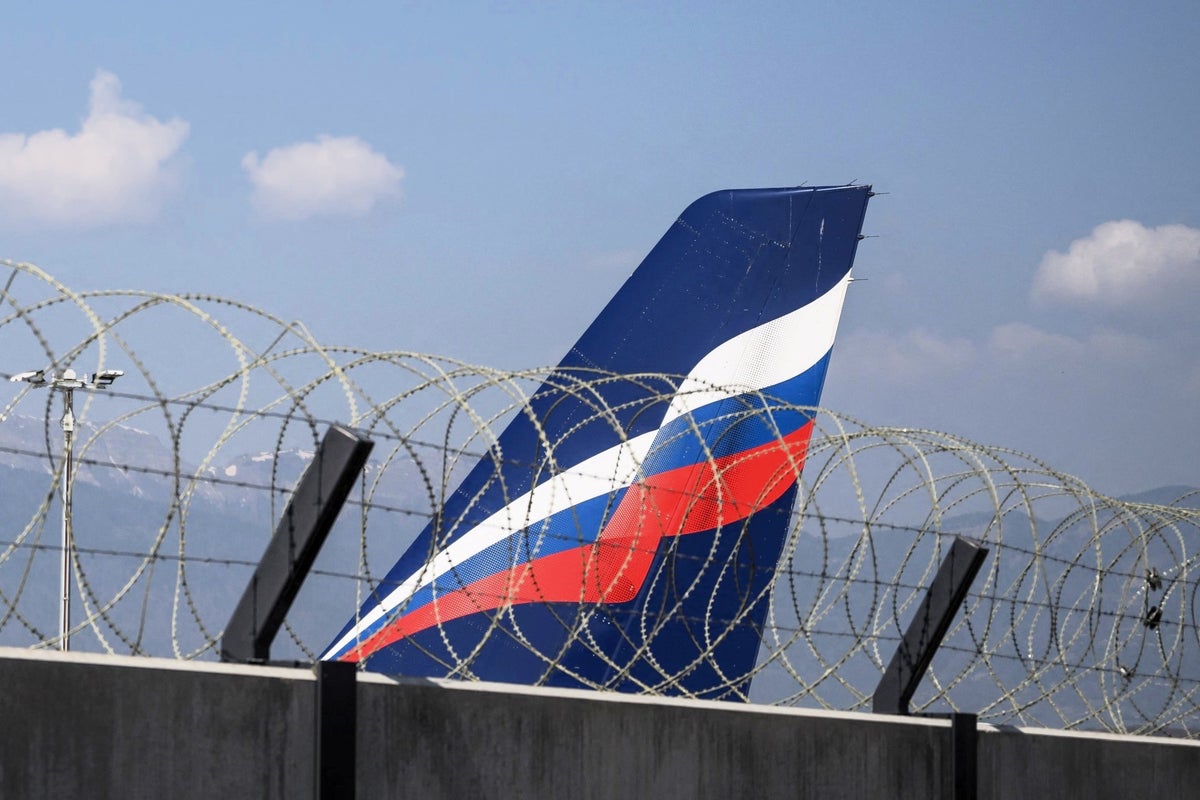
Hundreds of Western-owned aircraft are still sitting on Russian tarmac, years after the invasion of Ukraine. It's a mess. If you’ve followed the legal fallout, you know that the tug-of-war between aircraft leasing companies and their insurers has reached a boiling point. Recently, a High Court ruling in London handed a massive victory to the owners of these planes, potentially on the hook for billions in payouts. Now, the insurers are punching back with an appeal that could redefine the entire aviation insurance market for decades.
This isn't just a squabble over fine print. It's about whether the "seizure" of an entire fleet by a sovereign nation counts as a total loss under standard war-risk policies. The stakes are massive. We’re talking about roughly 400 aircraft that stayed in Russia after sanctions hit. The leasing firms want their money. The insurers want to keep their doors open.
Why the Russian Plane Seizure Changed Everything
When the war started in February 2022, the West slapped Russia with sanctions. These required leasing companies—firms like AerCap and DAE Capital—to terminate their contracts with Russian airlines. They tried to get their planes back. Russia basically said "no."
The Kremlin re-registered these aircraft locally, effectively nationalizing them to keep their domestic flight industry alive. To the leasing firms, this was a clear case of "theft" or "deprivation." They filed claims. The insurers, however, didn't just open their checkbooks. They argued that because the planes still physically exist and are flying within Russian borders, they aren't "lost" in the traditional sense.
The London High Court didn't buy that logic. In late 2024, the court ruled that the loss of control over these assets was permanent enough to trigger payouts. But "permanent" is a slippery word in a courtroom.
The Grounds for the Insurers Massive Appeal
Insurers are now officially moving to appeal this ruling. Their argument centers on the idea of "physical loss." If a plane hasn't crashed and hasn't been scrapped, is it really gone? They're betting that a higher court will see the nuance they’re pitching.
One of the biggest hurdles for the insurers is the sheer scale of the claims. If they lose this appeal, the industry faces a hit of over $10 billion. That’s enough to bankrupt smaller players and force the giants to hike premiums to levels we've never seen. They aren't just fighting for this case; they're fighting for the survival of the current risk model.
They're also leaning on the "wait and see" defense. Some aircraft have actually been returned or settled through complex deals involving Russian insurance companies paying out a fraction of the value. Insurers argue that as long as there’s a chance for a deal, the loss isn't "total." It's a bold move, but in the world of high-stakes litigation, it’s often the only move left.
The Complexity of Dual Registration
One detail that often gets buried is the nightmare of dual registration. When Russia moved these planes to their own registry without the owners' consent, it created a legal vacuum. Under international law, a plane shouldn't be registered in two places at once.
This move effectively "stole" the planes' airworthiness in the eyes of the West. Even if AerCap got a Boeing 737 back tomorrow, the paperwork trail is so mangled and the maintenance records so suspect that the plane might be worth little more than its weight in scrap metal. Insurers know this, and they’re terrified of being forced to pay for the "diminution of value" rather than just physical destruction.
How This Hits Your Pocket
You might think this is just a battle between billionaires and corporations. It isn't. When insurance companies take a $10 billion hit, they don't just eat the loss. They pass it down.
- Higher Ticket Prices: Airlines pay more for insurance, and those costs land right on your boarding pass.
- Reduced Routes: Some leasing firms might stop working in "high-risk" regions altogether, meaning fewer flights to developing markets.
- Reinsurance Shocks: The companies that insure the insurers (reinsurers) are already tightening the screws. This makes the entire global financial system more brittle.
The Settlement Strategy as a Loophole
Interestingly, we've seen some leasing firms bypass the London courts entirely. AerCap, the world's largest lessor, has already settled for over $2 billion with Russian entities for several dozen aircraft. These settlements are weirdly legal under certain sanctions exceptions, provided the money doesn't fund the war effort directly.
Insurers are using these settlements as evidence that the "total loss" argument is flawed. If some planes can be paid for by the "thief," then the insurance policy shouldn't be the primary source of recovery. It’s a compelling point, but it ignores the fact that most of these planes are still stuck, and the window for these deals is closing fast as geopolitical tensions stay high.
What Happens if the Appeal Fails
If the higher courts uphold the original ruling, expect a seismic shift in how war-risk policies are written. You'll start seeing "Russia clauses" in every contract—specific language that exempts state-sponsored seizures from coverage unless a massive extra premium is paid.
We could also see a mass exit of capacity from the aviation insurance market. If the risk is unquantifiable, the actuaries can't do their jobs. Without insurance, the leasing model—which owns about half of the world's commercial fleet—basically falls apart.
Moving Toward a Resolution
This legal drama is scheduled to drag through 2026. If you’re an investor in the aviation space, or just someone who cares about the stability of global travel, you need to keep an eye on the specific language the appellate court uses regarding "constructive total loss."
The next step for these firms isn't just more discovery and depositions. It’s a fundamental recalculation of risk. Leasing companies are already diversifying their fleets away from any country with a hint of volatility. They’re demanding higher collateral. They're becoming more like banks and less like equipment owners.
Don't wait for the final verdict to adjust your expectations for the industry. The era of cheap, easily insured global aviation assets is over. The "Russian precedent" is already baked into the next generation of contracts, regardless of what the judges in London finally decide. Track the quarterly filings of the major lessors; that’s where the real story of the recovery—or the write-down—is being told in real time.