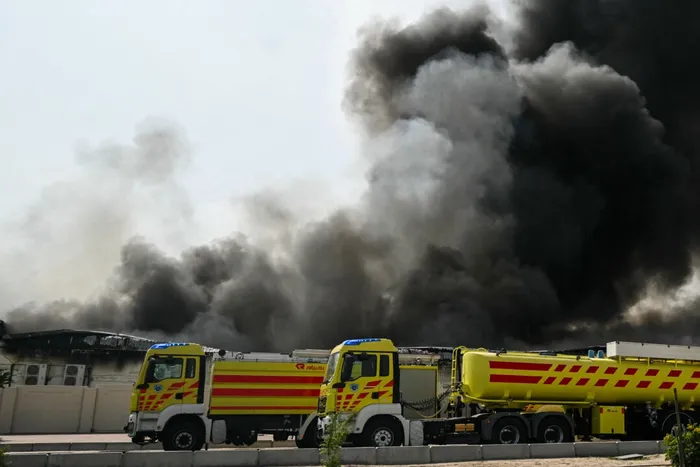
The sirens in Beit Shemesh didn't just signal another routine drill or a minor skirmish. They announced a shift in the Middle East that we'll be talking about for decades. While the world watched the dramatic footage of "Operation Genesis" lighting up the Tehran skyline, the ground reality in Israel turned grim as the first civilian casualties were confirmed.
You’ve likely seen the headlines about the US and Israeli "decapitation" strikes that took out Ayatollah Ali Khamenei. It’s a massive geopolitical event, but for the families in Beit Shemesh, the war isn't about power vacuums or regime change. It's about a direct hit on a synagogue and a residential street that left nine people dead and dozens more fighting for their lives in Jerusalem hospitals.
The Strike on Beit Shemesh
Beit Shemesh, a city usually known for its quiet neighborhoods west of Jerusalem, became the focal point of Iranian retaliation on Sunday morning. Despite the Iron Dome's legendary reputation, a ballistic missile managed to punch through the defense net. The impact was devastating. It wasn't just shrapnel; it was a direct hit that leveled a local synagogue and tore through nearby apartment buildings.
Magen David Adom (MDA) confirmed the death toll rose quickly to nine. The scene was chaotic. Volunteers from ZAKA were seen collecting remains among the rubble of shattered drywall and blown-out cars. This strike is now the deadliest single incident on Israeli soil since the brief but intense conflict in June 2025.
Beyond the Statistics
We often talk about "casualties" as numbers on a screen, but the details from the ground in Tel Aviv and Beit Shemesh paint a much more visceral picture.
- Nine dead in Beit Shemesh: Most were caught in or near a house of worship during morning prayers.
- One woman killed in Tel Aviv: A victim of a separate barrage that targeted the Gush Dan area, marking the first fatality of this specific escalation on Saturday night.
- 28 wounded in a single strike: Two are in serious condition, while dozens more suffer from blast injuries and shrapnel wounds.
- Emergency infrastructure: The Ministry of Health has already moved major hospital operations underground to protect patients from the ongoing missile rain.
I've seen these cycles before, but this feels different. The sheer scale of the joint US-Israeli "Operation Genesis" — involving over 200 fighter jets and 1,200 bombs in the first 24 hours — was always going to trigger a massive response. Iran isn't just firing at military outposts; they're aiming for the heart of civilian centers to prove they can still bite even after their leadership has been "decapitated."
The Strategic Failure of Total Defense
There’s a common misconception that Israeli air defenses are a 100% impenetrable bubble. They aren't. While the IDF claims a high interception rate, the "saturated" attack strategy used by Iran—firing dozens of missiles and drones simultaneously—is designed to overwhelm the system. When a missile like the one that hit Beit Shemesh gets through, the "tactical surprise" the US and Israel achieved in Tehran offers little comfort to those in bomb shelters in Tel Aviv.
The US military confirmed its first casualties too, with three service members killed in Kuwait. It’s a regional wildfire now. The UAE has seen deaths from shrapnel, and even Jordan has had to intercept missiles over Amman. This isn't a localized "strike"; it’s a regional war that has effectively shuttered air travel across the Middle East.
What Happens Now
Don't expect this to quiet down by tomorrow. President Trump has stated that the "pinpoint bombing" will continue for days. Meanwhile, the Iranian Revolutionary Guard (IRGC), despite losing their headquarters, is still operational enough to launch Ghadr and Emad missiles from mobile launchers hidden in western Iran.
The immediate priority for anyone in Israel is following the Home Front Command guidelines to the letter. Schools are closed, and Ben Gurion Airport is a ghost town. If you’re looking for the next move, watch the transition of power in Tehran. If a new "temporary leadership council" can’t stabilize the military, the retaliatory strikes might become even more erratic and dangerous.
Practical Next Steps for Those Affected:
- Check the Home Front Command App: Ensure your alerts are set to "Loud" and your location services are active.
- Identify Your "Mamad": If you're in an older building without a reinforced room, identify the internal stairwell that offers the most protection.
- Stock Basics: The closure of Ben Gurion means supply chains will lag. Have three days of water and non-perishables ready.
- Stay Informed via Official Channels: Avoid social media rumors about "imminent" chemical attacks; stick to MDA and IDF official briefings.