The standard narrative on the U.S.-China trade war is a tired script written by people who haven't looked at a balance sheet since 2016. Every time a legal ripple hits the headlines—like the recent Supreme Court posturing—the "free trade" choir starts singing the same off-key song: tariffs are a relic, they hurt the consumer, and removing them is the only path to "normalcy."
They are wrong. Dead wrong.
The loudest calls for the removal of Section 301 tariffs aren't coming from a place of economic concern for the American shopper. They are coming from a place of desperation for a status quo that allowed the systematic hollowing out of Western industrial capacity. If you think China actually wants these tariffs gone for the reasons they claim, you’re falling for the oldest feint in the geopolitical playbook.
The Great De-risking Myth
The competitor's take suggests that these tariffs are a "burden" preventing global recovery. That’s a fundamental misunderstanding of how supply chains actually evolve. I have spent years watching C-suite executives scramble to move production to Vietnam, Mexico, and India. They didn't do it because they loved the scenery; they did it because the tariffs finally made the "China Price" reflect its actual risk.
The "China Price" was always a lie. It was subsidized by intellectual property theft, state-backed energy credits, and a total disregard for environmental externalities. The Trump-era tariffs didn't break the market; they corrected a massive, decade-long market failure. Removing them now wouldn't "fix" the economy—it would provide a $300 billion stimulus package to the CCP’s military-industrial complex while gutting the burgeoning manufacturing sectors in North America.
The Math of Dependence
Let’s look at the numbers the pundits ignore. Total trade between the U.S. and China has stayed high, yes, but the composition has shifted violently. We are seeing a move toward higher-value components staying in the West while the low-margin plastic junk stays across the Pacific.
Consider the $S$ curve of technological adoption:
- Infancy: High cost, high risk.
- Expansion: Scaling through subsidies.
- Maturity: Market dominance through price suppression.
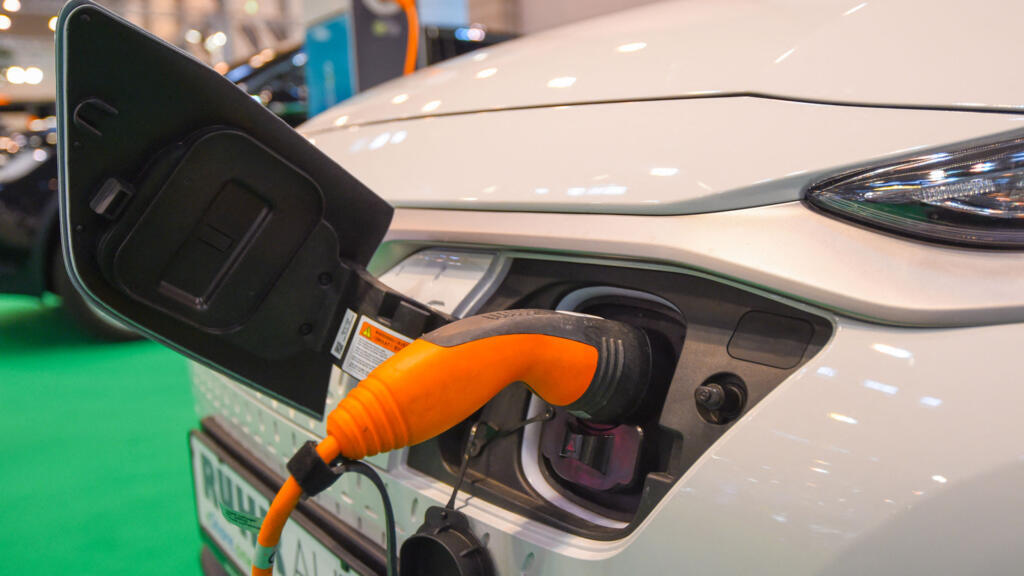
China is currently at Stage 3 in sectors like EVs and solar. If Washington folds on tariffs now, it isn't "lowering prices for families." It is ensuring that no American or European firm can ever survive the "Expansion" phase because they will be drowned by a flood of state-subsidized surplus.
The Supreme Court Distraction
The legal chatter about whether the executive branch exceeded its authority is a sideshow. In the world of global trade, "legality" is often just a polite word for "leverage."
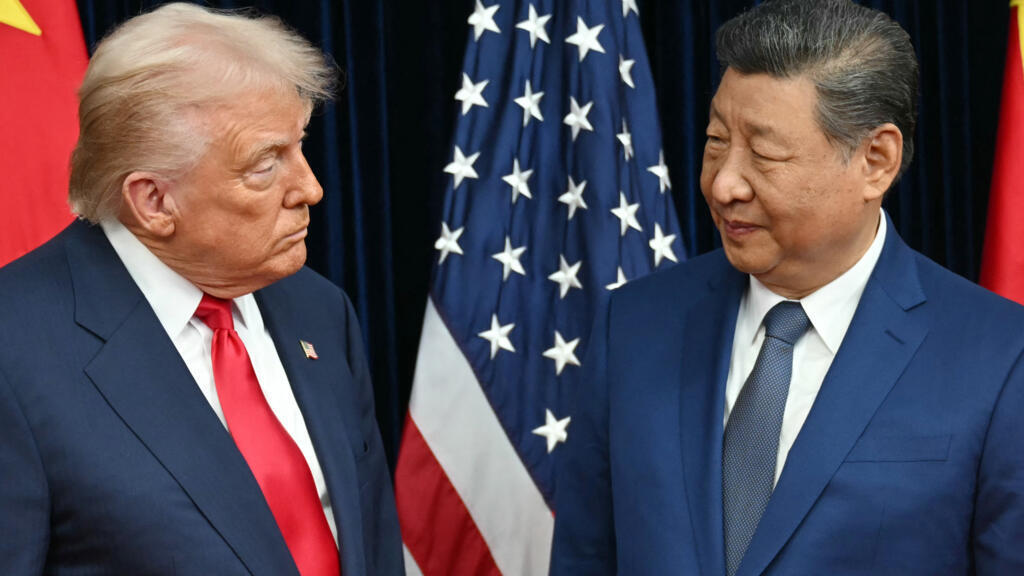
Beijing’s call for the U.S. to "cancel" the tariffs following judicial reviews is a classic play for the moral high ground. They are betting on the West’s obsession with procedural purity to override our strategic interests. I’ve seen companies blow millions on legal challenges to these duties, only to realize six months later that their competitors who just moved their factories are now winning the race.
The Supreme Court ruling isn't a signal to retreat. It’s a signal to codify. If the legal framework for Section 301 is shaky, the answer isn't to abandon the policy; it’s to pass legislation that makes the tariffs permanent and predictable.
Why the "Consumer Tax" Argument is Intellectual Laziness
The most common "People Also Ask" query is: "Who pays for the tariffs?"
The "lazy consensus" answer is: "The American consumer."
This is a half-truth that masks a deeper reality. Prices for consumer electronics and apparel have remained remarkably stable or shifted to other low-cost jurisdictions. The "tax" is actually being paid by the margins of the Chinese exporters who have had to slash prices to stay competitive, and by the giant retailers who were previously pocketing the difference between cheap labor and high retail prices.
When you remove a tariff, that money doesn't go back into the pocket of the guy buying a toaster at a big-box store. It goes into the dividends of the shipping giants and the coffers of the state-owned enterprises in Shanghai.
The Counter-Intuitive Truth: Beijing Needs the Conflict
Here is the part nobody wants to admit: The CCP uses these tariffs as a convenient scapegoat for their own internal economic mismanagement.
China is facing:
- A demographic collapse that makes their labor advantage disappear.
- A real estate bubble that makes 2008 look like a rehearsal.
- A debt-to-GDP ratio that is spiraling out of control.
By screaming about "U.S. protectionism," they can deflect blame for their slowing growth. If the U.S. unilaterally dropped the tariffs tomorrow, Beijing would lose its best excuse for why the "Chinese Dream" is stalling. They need the friction to justify their pivot toward a "fortress economy."
Imagine a Scenario...
Imagine a scenario where the U.S. cancels all tariffs today. Within 24 hours, the yuan is devalued by 5% to grab more market share. Within six months, the remaining domestic solar manufacturers in Georgia and Ohio are bankrupt. Within a year, the U.S. is 100% dependent on a single geopolitical rival for the battery technology required to power its entire transportation grid.
Is that "free trade"? No. That’s a suicide pact disguised as an invoice.
Stop Asking if Tariffs Work
The question isn't "Do tariffs work?" The question is "What is the cost of NOT having them?"
I've walked the floors of factories in the Midwest that were rusting hulks five years ago and are now humming with robotic assembly lines. That didn't happen because of "synergy" or "holistic planning." It happened because the tariffs created a moat.
The moat is what allows for innovation. Without it, you aren't competing against a company; you're competing against a central bank with a printing press and a geopolitical agenda.
The New Rules of the Trade War
If you want to actually win this, you don't look backward at the Trump era or the Obama era. You look at the reality of 2026.
- Reciprocity is the only metric. If an American company cannot own 100% of its subsidiary in China without "technology sharing," then no Chinese company should own a blade of grass in the U.S.
- Strategic decoupling is a feature, not a bug. The goal isn't to stop trading; it's to stop being vulnerable.
- Tariffs should be dynamic, not static. We should be using AI-driven trade monitoring to adjust duties in real-time based on currency manipulation and subsidy levels.
The competitor article wants you to believe that we are at a "pivotal" moment where "de-escalation" is the goal. They are wrong. De-escalation is just another word for surrender when the other side hasn't stopped punching.
The Supreme Court can debate the fine print of the law all they want. But in the boardrooms where the real decisions are made, the tariffs are the only thing keeping the lights on.
You don't win a marathon by stopping to tie your opponent's shoes. You win by running faster and making sure they can't trip you. The tariffs are our track shoes. Don't let the lobbyists convince you to take them off.
Buy the local option. Build the local factory. Accept that the era of "cheap at any cost" is dead, and we are the ones who killed it. Good riddance.