The champagne is flat before the first trophy even hits the table.
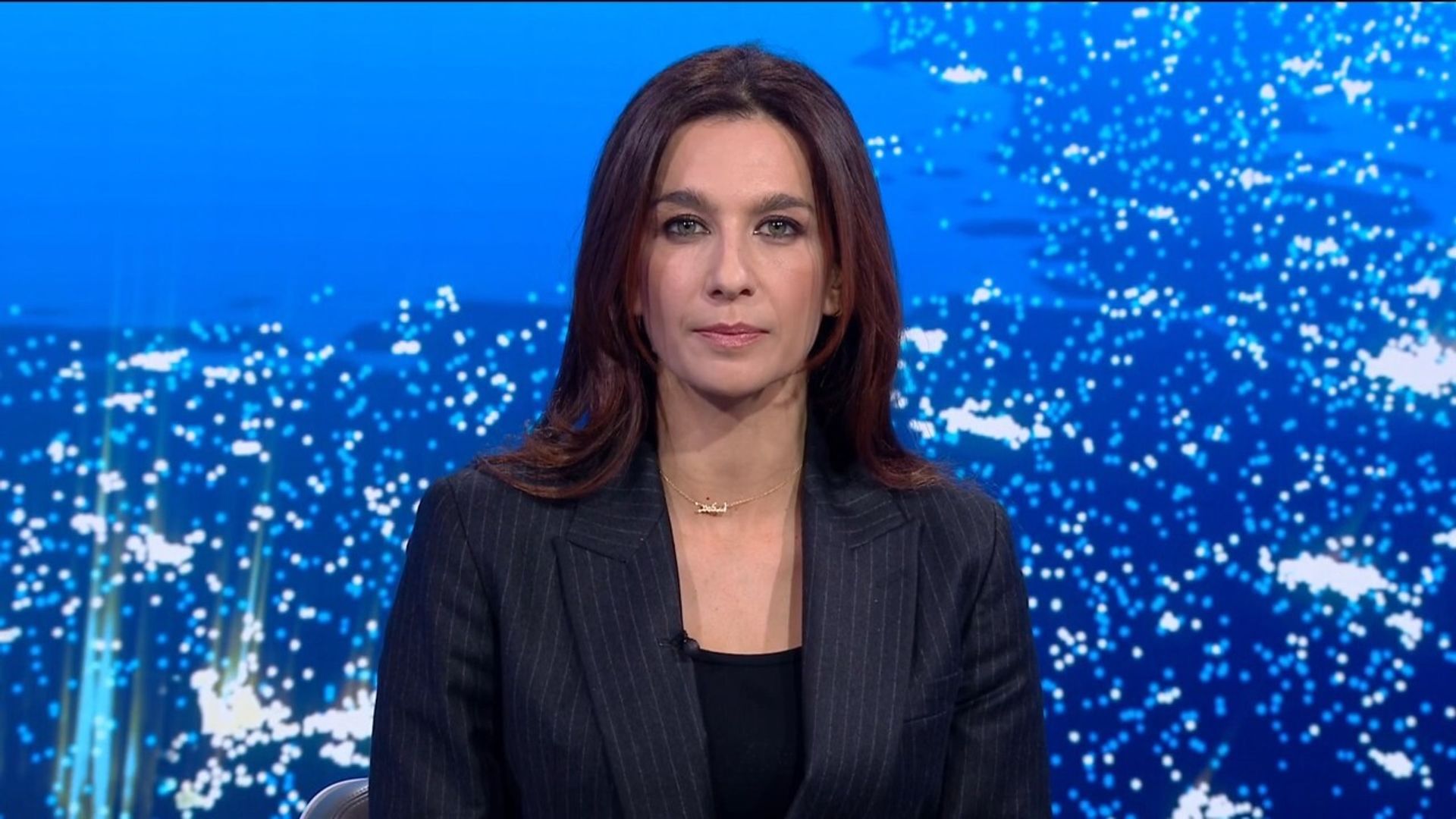
Sky News is currently taking a victory lap because the Royal Television Society (RTS) handed them "News Channel of the Year." Yalda Hakim is clutching a "Presenter of the Year" statuette. The industry is busy patting itself on the back, convinced that these gold-plated trinkets validate their existence in a world that is increasingly turning them off. If you liked this piece, you should check out: this related article.
They are wrong. In fact, the more awards a legacy newsroom wins, the further they are from the pulse of the public.
When a jury of industry insiders decides what "good" news looks like, they aren't measuring impact, truth, or innovation. They are measuring how well a brand adheres to the established etiquette of the media cathedral. We are witnessing a feedback loop where the elite reward the elite for being elite. For another angle on this story, refer to the latest update from NPR.
The Meritocracy Myth
The "News Channel of the Year" title is a participation trophy for a game that fewer people are playing every day. The RTS awards operate on a logic that prioritizes polished optics over raw utility.
I have spent two decades in and out of newsrooms where the "awards entry" was a multi-month project. We didn't spend that time investigating corruption or pressure-testing government policy. We spent it hiring editors to cut "sizzle reels" that made our standard output look like a cinematic masterpiece. We were selling a vibe, not a service.
The fundamental flaw in these ceremonies is the judging criteria. It relies on "editorial excellence" as defined by people who have held the same jobs for thirty years. If you want to know why trust in media is cratering, look at the disconnect between what the RTS calls "Best News" and what actually changes the world.
Real journalism is messy. It is often ugly. It doesn't always have a 16:9 aspect ratio or a color-graded finish. By the time a story is refined enough to win an award, the urgency that made it vital has usually been bled dry by the legal department and the brand managers.
The Cult of the Anchor
Yalda Hakim is a talented broadcaster. This isn't an attack on her work ethic, but rather an indictment of the "Presenter of the Year" industrial complex.
Awarding the top prize to a marquee name reinforces the outdated idea that the news is a performance. It suggests that the face in front of the camera matters more than the data behind the scenes. We have moved into an era where the audience values the "how" and the "why" over the "who." Yet, the industry remains obsessed with the cult of personality.
Why aren't we awarding "Database of the Year"? Why is there no "Freedom of Information Request of the Year"? Because you can't put a database in a tuxedo and make it give a tearful speech about the importance of the craft.
The industry prizes "presence." But presence is just a fancy word for looking the part. In a world of decentralized information, the viewers don't want a God-voice reading from a teleprompter. They want a peer who can navigate the noise. By elevating the Presenter to a pedestal, the RTS is widening the gap between the broadcaster and the citizen.
The Innovation Stagnation
Winning an award is the surest way to ensure a company never changes.
When Sky News wins, the internal message is: "We're doing everything right. Keep the status quo." It provides a shield against the necessary, painful evolution required to survive the next decade.
True innovation happens when you are failing. It happens when your back is against the wall and you have to find a way to reach an audience that hates you. Awards act as a sedative. They convince stakeholders that the current trajectory is sustainable.
Consider the metrics that actually matter:
- Retention: How many people stayed for the whole story?
- Correction Rate: How often did we get it wrong, and did we admit it?
- Actionability: Did the viewer's life improve because they watched this?
The RTS doesn't track these. They track "authority" and "tone." These are subjective measurements used to gatekeep the industry.
The Cost of Excellence
There is a hidden price to these ceremonies. Every pound spent on a table at an awards gala, every hour spent on an entry submission, and every ego-driven project designed to "look like an award-winner" is a theft from the actual news-gathering budget.
I’ve seen newsrooms kill vital local stories because the budget was blown on a documentary that had "Emmys" written all over it. We are sacrificing the mundane, essential work of reporting on the altar of the prestige piece.
If Sky News wants to prove they are the best, they should stop showing us their trophy cabinet and start showing us their impact on the legislative floor. They should show us how many lives were saved by their reporting, not how many peers they impressed in a ballroom in London.
Dismantling the "Best" Label
"Best" is a dangerous word in journalism. It implies a finish line.
In reality, news is a continuous, iterative process of failing better. To label a channel as the "best" suggests that their version of reality is the definitive one. It discourages the skepticism that is the foundation of a healthy democracy.
We should be teaching audiences to question the very institutions that the RTS celebrates. Instead, these awards serve as a "Verified" badge for the old guard, a way to tell the public: "Trust us, we gave ourselves a prize."
Stop looking at the trophies. Look at the gaps in the coverage. Look at the stories that aren't being told because they don't fit the "award-winning" template.
The next time you see a news organization bragging about an RTS win, ask yourself: who voted? If it wasn't the people being reported on, the award is nothing more than an expensive paperweight.
Burn the tuxedos. Get back to work.