Australia just did something that transcends sport. On the Gold Coast, five members of the Iranian women’s national soccer team walked out of their hotel and straight into the arms of federal protection. It wasn’t a casual decision. It was a life-or-death gamble. These women didn't just play a tournament; they survived a political pressure cooker that most of us can’t even fathom.
The Australian government, led by Prime Minister Anthony Albanese and Home Affairs Minister Tony Burke, granted humanitarian visas to these five athletes in the early hours of Tuesday. This happened after days of tension where the players were watched by "minders" from the Iranian regime. Basically, these women were playing for their lives while the world watched them kick a ball.
The protest that changed everything
It started on March 2. During their opening match against South Korea at the 2026 AFC Women’s Asian Cup, the Iranian players stood in total silence during their national anthem. They didn't sing. They didn't move. In the eyes of the Islamic Republic, that silence was a scream.
Back in Tehran, state media didn't see a peaceful protest. They saw "wartime traitors." Mohammad Reza Shahbazi, a prominent state TV presenter, openly called for them to be punished. When a regime starts using words like "traitor" during an active conflict, the implications aren't just a fine or a benching. We’re talking about the Revolutionary Court.
Life under the shadow of the IRGC
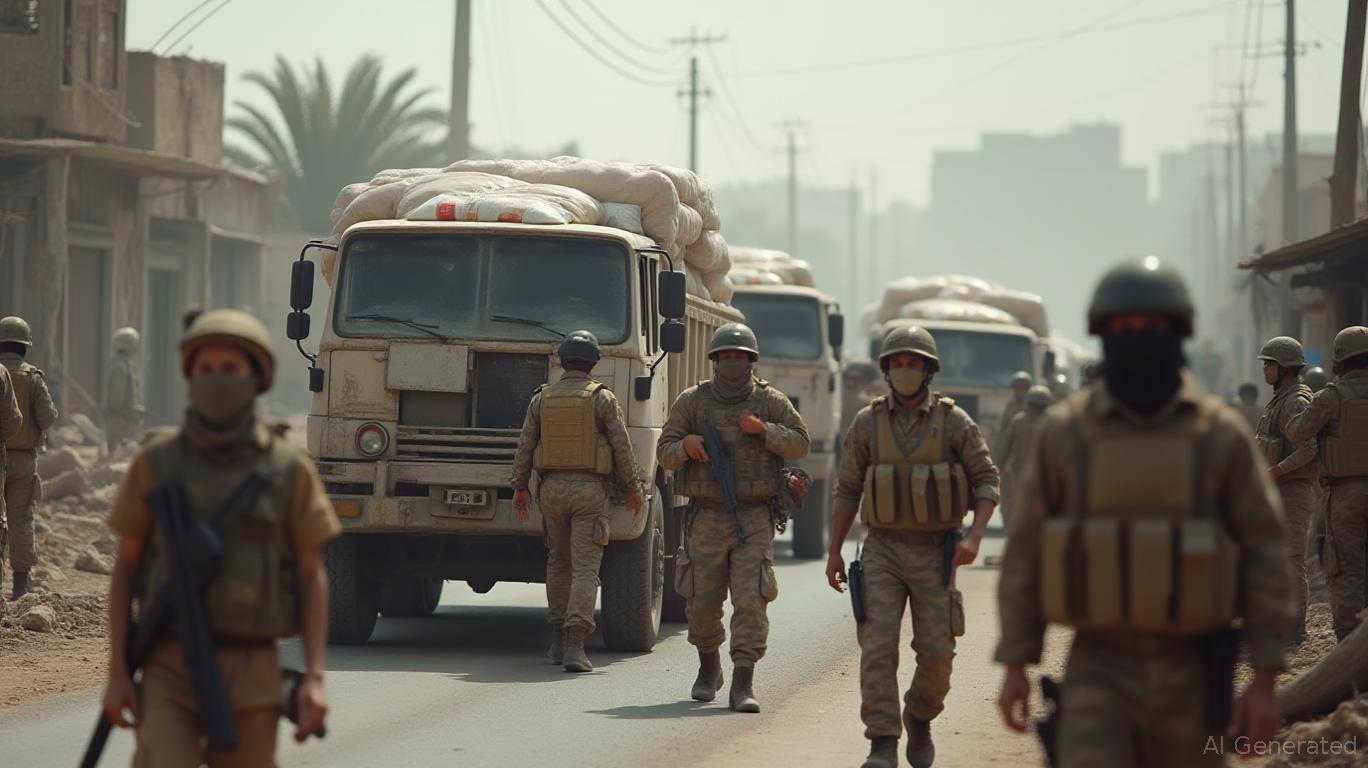
You have to understand the environment these women were living in at the Royal Pines Resort. Reports from inside the camp described a "prison-like" atmosphere. Security officers from the Iranian Football Federation—some allegedly linked to the IRGC—confiscated passports. They monitored every move.
The pressure worked, at least for a moment. In their subsequent matches against Australia and the Philippines, the players sang the anthem and even performed military salutes. It was a clear sign of coercion. You don’t go from defiant silence to a military salute in 48 hours unless someone is threatening your family back home.
- The Five Who Stayed: Fatemeh Pasandideh, Zahra Ghanbari, Zahra Sarbali, Atefeh Ramazanizadeh, and Mona Hamoudi.
- The Stakes: Defection in Iran often leads to the seizure of family assets and the arrest of parents.
- The Catalyst: The team’s 2-0 loss to the Philippines on Sunday meant they were out of the tournament. The flight home was looming.
Political pressure from the outside
The situation got even weirder when U.S. President Donald Trump weighed in. He blasted the idea of letting the team return to Iran, saying they would "most likely be killed." He even told Albanese that the U.S. would take them if Australia wouldn't.
While some might see this as political theater, it forced the Australian government’s hand. Albanese confirmed he had a "very positive conversation" with Trump about the matter. By 1:30 AM on Tuesday, the first five visas were signed. It’s a rare moment of global alignment: when a humanitarian crisis is so obvious that even the most disparate political leaders agree on the solution.
Why this isn't just about soccer
This isn't just a sports story. It's a snapshot of a regime in survival mode. Since the protests began in late 2025, the Iranian government has doubled down on its crackdown against athletes. Zahra Azadpour, another soccer player, was killed during demonstrations in January.
When athletes like Zahra Alizadeh and Kosar Kamali resigned from the team in protest earlier this year, their social media disappeared within hours. The message is clear: if you represent the state, you are the state’s property.
What happens to the rest of the team
There are still over 20 members of the squad, including coaching staff, whose futures are a giant question mark. Some want to go home because they can't bear the thought of what will happen to their families if they stay. That’s the most brutal part of transnational repression. The regime uses your love for your parents as a leash.
Minister Tony Burke has been very public about the fact that "the same opportunity is there" for the remaining players. Australia has basically left the door wide open. But for many, the cost of walking through that door is simply too high.
If you want to support these athletes, keep the spotlight on them. History shows that regimes are slightly—just slightly—more cautious when the global media is watching. Organizations like FIFPRO are already calling on FIFA to hold the Iranian federation accountable.
Check the updates from human rights groups like IranWire or Amnesty International. They are the ones tracking the safety of the families left behind. Don't let this story fade just because the tournament is over. These women are now part of the Australian community, and their safety depends on our continued attention.