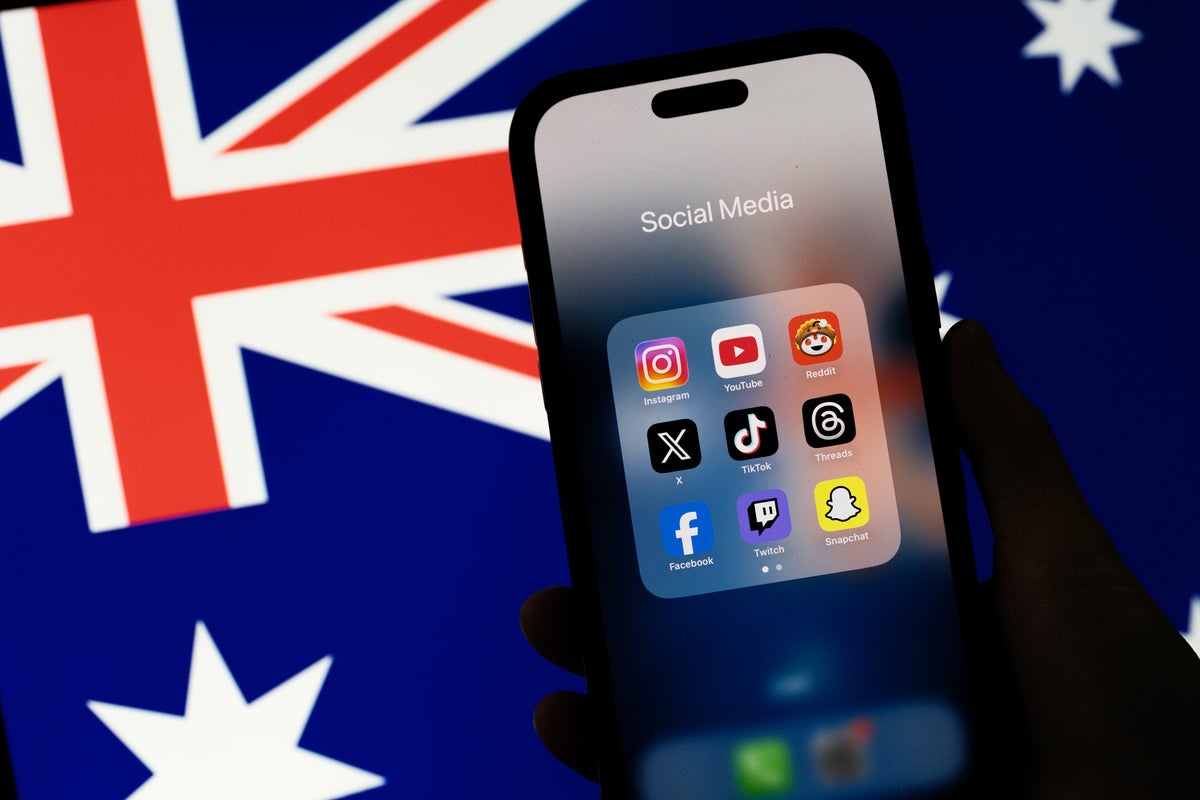
Australia's plan to ban children under 16 from social media sounds great on a campaign poster. It’s the kind of bold, protective move parents have been begging for as they watch their kids spiral into algorithmic rabbit holes. But there’s a massive problem that the federal government is finally starting to admit. The current systems social media companies use to verify age are basically Swiss cheese.
Recent warnings from the Australian government highlight "major gaps" in how platforms like TikTok, Instagram, and X (formerly Twitter) actually enforce these rules. If you've spent any time online, you know the drill. A kid lands on a sign-up page, sees a birthdate selector, and suddenly becomes a 45-year-old man born in 1980. It's a joke. Honestly, it’s a wonder it took this long for regulators to get loud about how easy it is to bypass these digital "fences." Learn more on a related topic: this related article.
The core issue isn't just that kids lie. It's that the platforms haven't had a real financial or legal reason to stop them. Until now.
The Myth of Effective Age Verification
For years, tech giants have relied on "self-declaration." That’s a fancy way of saying they take a child's word for it. When the eSafety Commissioner or the federal government looks at the data, the holes are glaring. We aren't just talking about a few tech-savvy teens using VPNs. We’re talking about millions of underage users who are served ads, tracked by data brokers, and exposed to content they aren't emotionally ready for. More journalism by TechCrunch highlights related perspectives on the subject.
Tech companies often argue that privacy is the barrier. They say that requiring a government ID or a face scan is a bridge too far for user privacy. It’s a convenient excuse. These same companies track your GPS coordinates, your purchase history, and how many seconds you linger on a photo of a pair of shoes. They know plenty about us. They just don't want the friction of a real age gate because friction kills growth.
Australia’s push for a "Duty of Care" model changes the math. Instead of just asking nicely, the government wants to shift the burden of proof onto the platforms. If a 12-year-old is on your app, that’s your failure, not the parent's failure.
Why the Current Trials Matter More Than the Ban
You might have heard about the $6.5 million age assurance trial the Australian government is running. This is the real story, not just the headline-grabbing ban. They’re looking at technologies like "device-based" verification and "biometric mirrors" that estimate age without storing your personal identity.
- Biometric Estimation: Using AI to analyze facial features to guess if someone is 13 or 18. It sounds like sci-fi, but it's becoming surprisingly accurate.
- Bank-Level Verification: Linking accounts to existing "vouched" identities through banking apps or digital IDs.
- Pattern Analysis: Looking at how a user types or what they click on. A 10-year-old and a 30-year-old navigate the internet differently.
If these trials fail, the ban is just a paper tiger. You can't enforce a law you can't measure. The government's recent rhetoric shows they're tired of being played. They know that without hard tech solutions, the "under-16 ban" is just a suggestion.
The Big Tech Resistance
Don't expect Meta or ByteDance to just roll over. They’ve already started the pushback. Their main argument is that a ban will drive kids to the "dark web" or less-regulated corners of the internet. It's a classic scare tactic. If you make it harder to get on Instagram, kids won't suddenly start using encrypted forums to talk about Minecraft. They’ll just find something else to do.
What the platforms are really afraid of is the loss of future users. Social media is a habit. If you don't hook a user by 14, they might actually develop a personality and hobbies that don't involve scrolling for six hours a day. That’s a direct threat to the long-term ad revenue model.
Australia is being viewed as a global test case. If the ban works here, the UK, the US, and the EU will follow. That's why the "gaps" in enforcement are being scrutinized so heavily right now. It’s not just an Australian policy debate; it’s a global fight for the attention spans of the next generation.
What Parents Actually Need to Know
If you’re a parent, don't wait for the government to fix this. The law might take a year or more to fully kick in, and even then, there will be workarounds. The "major gaps" the government is talking about exist right now in your living room.
Most kids are smarter than the algorithms. They know how to clear caches, use private browsers, and create "finstas" (fake Instagram accounts) that parents never see. The real enforcement has to happen at the router level and through actual conversations.
The government’s warning to platforms is a signal that the "Wild West" era is ending, but it’s going to be a messy transition. Expect more glitches, more "please upload your ID" prompts, and probably a lot of annoyed teenagers in the coming months.
Practical Steps to Close the Gap Yourself
Since the platforms are dragging their feet, you have to move faster. It’s about layers of protection rather than a single silver bullet.
- Check the App Store Settings: You can set your kid’s phone to require your approval for every single app download. This is the first line of defense.
- Use Hardware Filters: Devices like Gryphon or Circle can filter content at the Wi-Fi source. This is much harder for a kid to bypass than a simple app-level parental control.
- Watch the "Burner" Apps: Kids use calculators that are actually hidden photo vaults or simple games that have unmonitored chat rooms. If an app looks too simple, look closer.
- Talk About the Business Model: Tell your kids that they aren't the customer; they're the product. When they understand they're being manipulated by a multi-billion dollar machine, they sometimes get a bit more skeptical of the screen.
The Australian government is finally calling out the bluff. They're saying the "gaps" in age verification aren't technical accidents—they're choices. By shining a light on these failures, the hope is to force the hands of companies that have long profited from childhood screen addiction. The ban is the goal, but fixing the enforcement gaps is the actual work. Keep your eyes on the results of the age assurance trials, because that's where the real power shift will happen.