The Asylum Trap
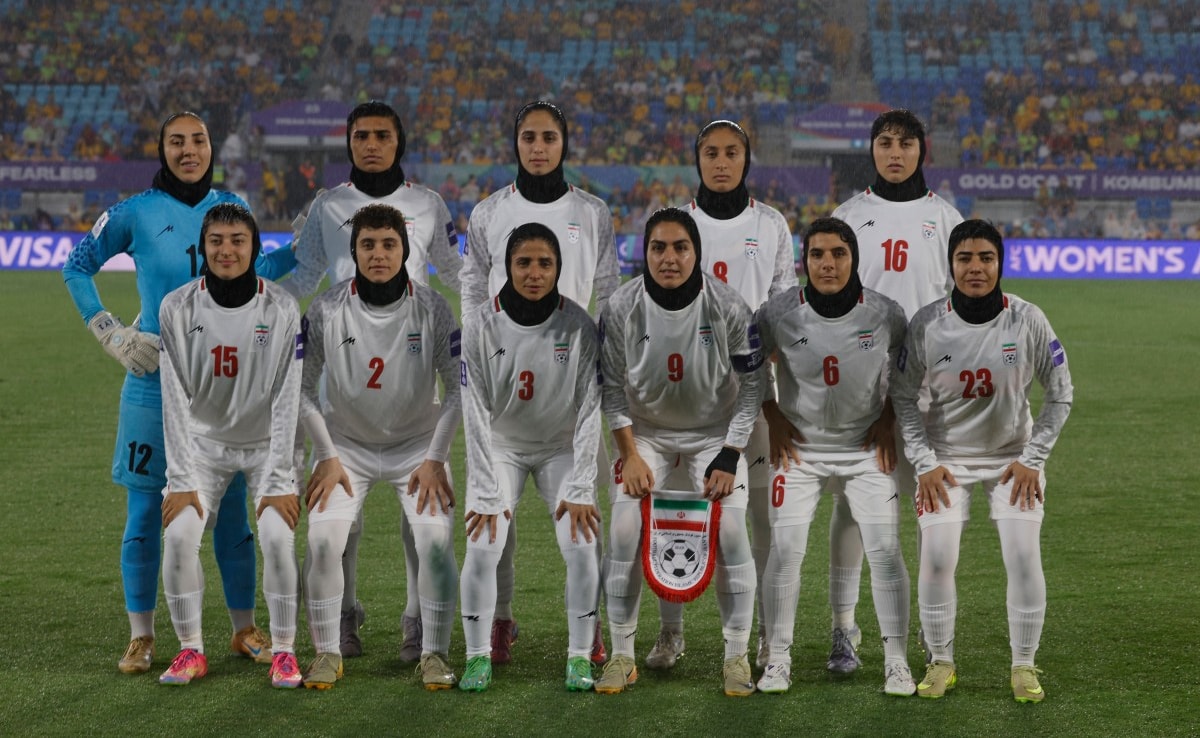
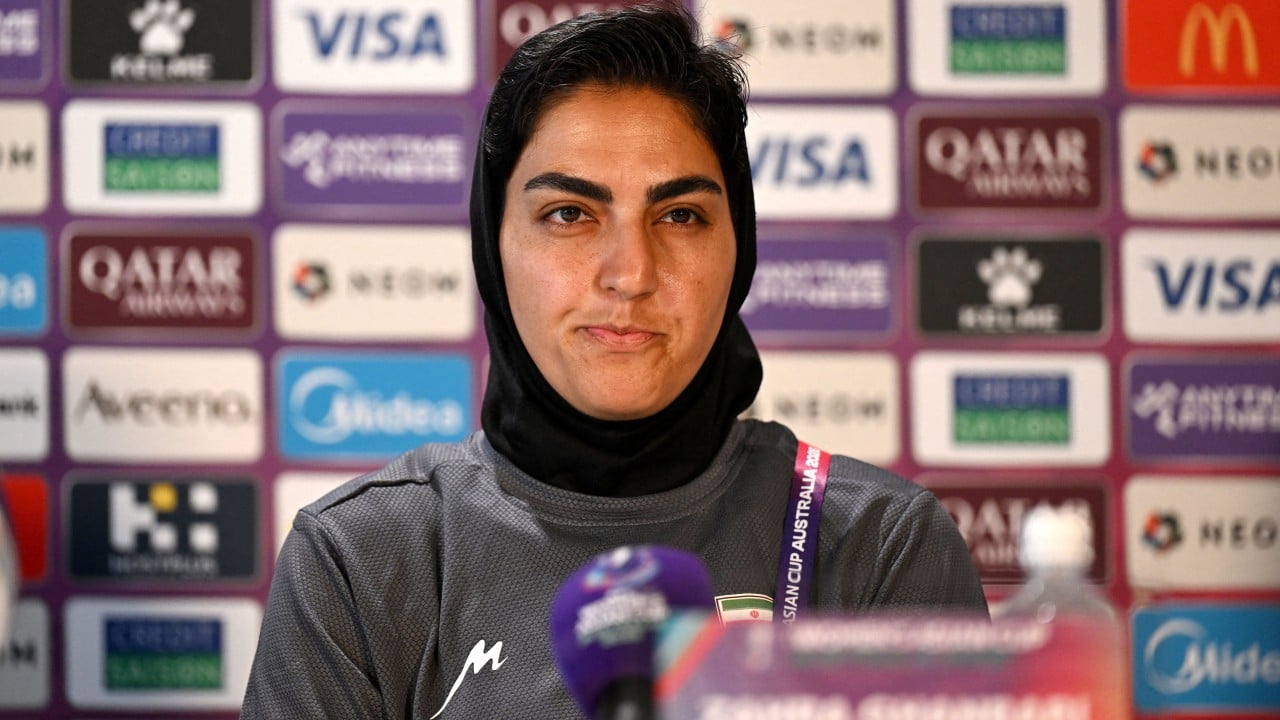
The media loves a predictable arc. A female athlete from a restrictive regime travels to a Western democracy, seeks asylum, and becomes a symbol of "freedom." When Niloufar Ardalan—captain of Iran’s women’s futsal and football teams—reportedly withdrew her asylum bid in Australia, the press immediately defaulted to two tired narratives: either she was coerced by the Iranian state, or she had a change of heart.
Both perspectives are intellectually lazy. They ignore the brutal reality of sports diplomacy and the strategic value of staying inside the system.
Seeking asylum isn't an act of bravery for the sport; it’s an act of individual preservation that often leaves the domestic infrastructure in ashes. If every elite female athlete from Tehran to Isfahan flees at the first sight of a visa, the movement for women’s sports in Iran doesn’t just stall—it dies. The "lazy consensus" suggests that leaving is the ultimate victory. I argue that staying, navigating the labyrinth of the Islamic Republic’s sports ministry, and forcing the hand of the AFC (Asian Football Confederation) is the only way to actually move the needle.
The Illusion of the "Clean Break"
Western commentators view asylum as a clean break from oppression. It rarely is. For an athlete of Ardalan’s caliber, seeking asylum in Australia would likely have ended her competitive career at the highest level. FIFA and AFC regulations regarding international transfers for "refugee" players are a bureaucratic nightmare. You don't just land in Sydney and walk onto a pro pitch. You sit. You wait for paperwork. You age out of your prime while living in a legal limbo that the "human interest" stories never cover.
I have seen talented players from the Middle East and North Africa trade their national team captaincy for a life of coaching under-12s in a Melbourne suburb. That isn't "saving" women's football; it’s a brain drain that serves the host country's ego while gutting the home country's future.
Why the Media Gets the "Coercion" Angle Wrong
- Assumption: She was threatened.
- Reality: She likely weighed the utility of her platform.
If Ardalan returns to Iran, she remains a powerhouse. She is the woman who famously missed the 2015 Asian Cup because her husband refused to renew her passport—a case that actually led to changes in Iranian law regarding female athletes' travel. If she stays in Australia as a refugee, she becomes a footnote. If she goes back, she is a constant, physical reminder to the federation that they cannot function without their stars.
The Strategic Power of Presence
We need to stop asking "Why didn't she leave?" and start asking "What can she break from the inside?"
In sports, leverage is everything. The Iranian Football Federation (FFIRI) is under constant pressure from FIFA to allow women into stadiums and to fund the women’s game. This pressure only works if there is a viable women’s game to defend. When the stars exit, the federation has an excuse to cut funding. "Why invest in a team that deserts us?" they ask.
By withdrawing an asylum bid, an athlete effectively says: I am staying, and now you are responsible for me. It forces the state to engage. It turns a private legal battle into a public, domestic accountability test.
The Numbers the West Ignores
While the headlines focus on the hijab or travel bans, they miss the participation stats. Women’s football in Iran has grown despite the restrictions, not because of Western "rescue" missions.
- Over 5,000 registered female players.
- A functional domestic league.
- A youth system that continues to produce talent.
Every time a captain stays, that infrastructure gains legitimacy. Every time one leaves, it's a gift to the hardliners who want to shutter the program entirely.
Dismantling the Victim Narrative
The "People Also Ask" sections of the internet are filled with questions about whether Iranian women are "allowed" to play. This premise is flawed. They don't just play; they dominate regional futsal. They aren't victims waiting for a lifeboat; they are athletes navigating a high-stakes political minefield.
The withdrawal of an asylum bid isn't necessarily a "win" for the Iranian government. It’s often a calculated move by an athlete who realizes her voice is louder in Tehran than it is in an Australian detention center or a suburban resettlement program.
The Cost of Advocacy
Let’s be blunt: staying is harder.
- You deal with the morality police.
- You deal with budget cuts.
- You deal with the constant threat of "disciplinary" action.
But you also get to train the next generation. You get to stand on the pitch and make it impossible for the authorities to ignore the fact that 50% of their population wants to kick a ball.
The Australia Factor: Why Sydney Isn't the Promised Land
Australia likes to position itself as a sporting utopia. But for an international footballer from the AFC region, Australia is a graveyard for career momentum if you aren't entering through a standard professional contract. The A-League Women is excellent, but it is not a charity. It is a business.
An asylum seeker, regardless of their talent, faces months or years of work-right restrictions. By the time the "system" clears them to play, their match fitness is gone. Ardalan is a veteran. She knows that at this stage of her career, 18 months of legal wrangling is a death sentence for her legs.
If she wants to influence the game, she has to be in the game.
The Future of Sports Dissidence
We are entering an era where the most effective "protest" isn't fleeing; it’s occupying.
Imagine a scenario where the entire starting XI of the Iranian national team refuses to leave but also refuses to remain silent. That creates a domestic crisis that international headlines can't solve. When players leave, they become "them." When they stay, they remain "us."
The real story isn't that Niloufar Ardalan "gave up" on a bid for a Western life. The story is that she chose to remain a thorn in the side of a system that would prefer she disappeared into the Australian bush.
Stop cheering for athletes to leave their homes. Start cheering for them to stay and make those homes uninhabitable for the people trying to hold them back.
The pitch is the only place where the score can't be faked. If you're not on it, you've already lost.