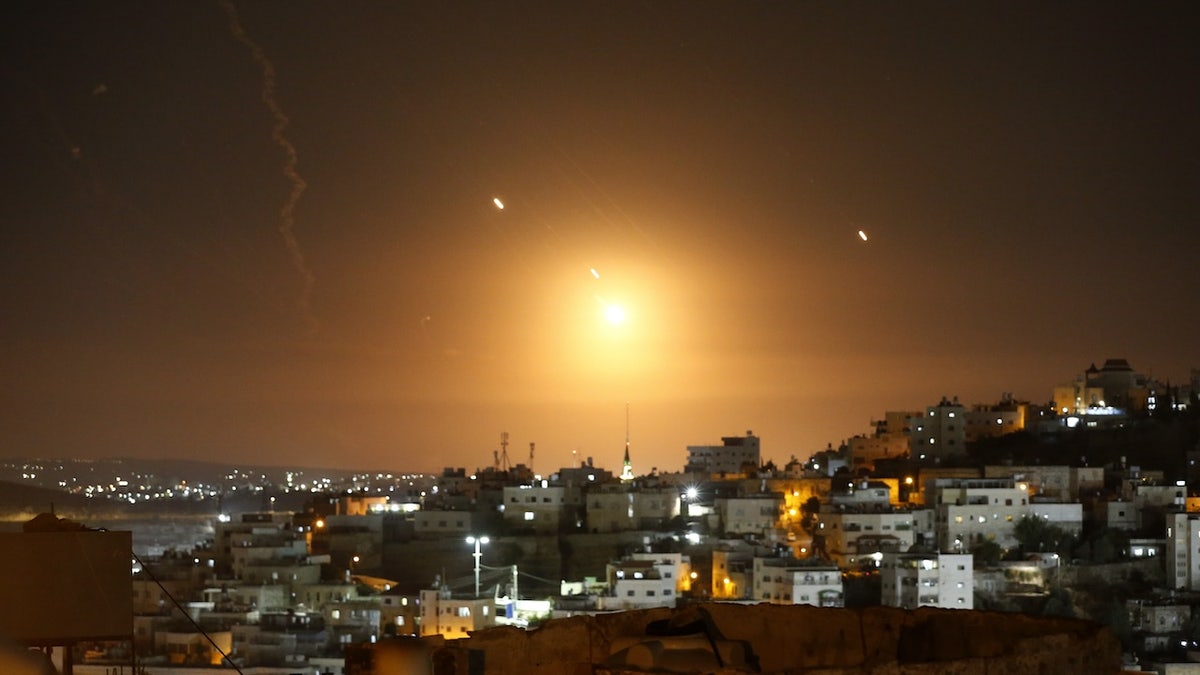
The smoke has cleared over Tehran, but the political fallout from the strike on the Assembly of Experts building is just starting to settle. If you’ve seen the footage of the charred facade and the shattered windows of one of Iran’s most guarded institutions, you know this wasn't just another random security lapse. It was a surgical hit on the literal seat of power. We’re talking about the body responsible for choosing the next Supreme Leader. This isn't just property damage. It’s a message sent directly to the heart of the clerical establishment.
When a building this significant gets hit, the physical destruction is usually the least important part of the story. The real damage is to the aura of invincibility that the Islamic Republic tries so hard to project. You can't claim to be a regional hegemon with an "impenetrable" security apparatus when a high-profile target in the capital looks like a construction site gone wrong.
The Physical Reality of the Damage
The images coming out of the site show a specific type of precision. This wasn't a crude car bomb or a stray mortar. The structural compromise to the upper floors of the Assembly of Experts building suggests a level of intelligence that should make every high-ranking official in Tehran lose sleep. We see localized fire damage, collapsed interior ceilings, and a perimeter that failed at the exact moment it mattered most.
Most news outlets are focusing on the rubble. They miss the point. The point is the "how." To hit this building, you need real-time data. You need to know which rooms are occupied and where the structural weaknesses are. This level of penetration suggests that the Iranian security services—the IRGC and the Ministry of Intelligence—have holes big enough to drive a truck through.
Historically, the Assembly of Experts has been a ghost ship. It meets twice a year, shrouded in secrecy, discussing the one topic no one in Iran is allowed to talk about publicly: who takes over after Ali Khamenei. By targeting this specific location, the attackers didn't just hit a building; they hit the succession plan.
Why This Specific Building Was the Target
You might wonder why an attacker would pick this over, say, a military base or an oil refinery. It’s about symbolism. The Assembly of Experts is a collection of 88 clerics. They are the gatekeepers. In the hierarchy of Iranian power, they represent the bridge between the "divine" authority of the Supreme Leader and the legal framework of the state.
- The Succession Crisis: Khamenei is aging. The jockeying for power behind the scenes is intense. An attack here adds a layer of chaos to an already volatile transition period.
- Intelligence Failure: This building is located in a high-security zone. For an operation to succeed here, the "ring of steel" around central Tehran had to fail.
- Internal Friction: Don't rule out the possibility that this serves someone’s internal agenda. In the murky world of Iranian politics, sometimes a strike from the outside is helped by an "open door" on the inside.
Experts like those at the Foundation for Defense of Democracies (FDD) or the Washington Institute for Near East Policy have long pointed out that Iran’s internal security is far more brittle than it appears. We’ve seen this before with the assassination of nuclear scientists and the theft of the nuclear archive. This attack is just the latest entry in a long book of failures.
The Regime Response Strategy
Expect the usual script from the state-run media. They’ll blame "Zionist agents" or "foreign mercenaries." They’ll show footage of crews quickly repairing the masonry to prove that everything is under control. But don't buy the "business as usual" act.
Behind the scenes, there’s a purge happening. Every time a strike like this occurs, the IRGC rounds up low-level staffers and security guards. They look for scapegoats because admitting that their elite units are compromised is too painful. It’s a cycle of paranoia that actually makes the country less stable.
If you're tracking the geopolitical impact, look at the timing. This happens while regional tensions are at a boiling point. It signals to Iran’s proxies—Hezbollah, the Houthis, and the militias in Iraq—that the "head of the snake" isn't as safe as it claims to be. If the center cannot hold, the fringes start to wobble.
What Happens to the Succession Race Now
The Assembly of Experts is currently in a delicate position. They have to project strength while knowing their primary meeting place is a target. This likely pushes the succession talk further into the shadows. Expect more meetings in undisclosed locations and even less transparency than the zero-percent transparency we have now.
This attack also weakens the hand of the hardliners who argue that "maximum resistance" keeps the country safe. If you can’t protect the building where the next leader is chosen, your security policy is a failure. It gives a tiny bit of ammunition to the pragmatists, though they’re mostly sidelined anyway.
Taking Action on This Information
If you're an investor or an analyst monitoring Middle Eastern stability, this is a "red light" event. It’s not about the cost of the glass or the concrete. It’s about the sovereign risk.
- Monitor the IRGC leadership: Watch for sudden "retirements" or shifts in the command structure of the Sarallah Base, which is responsible for Tehran’s security.
- Track the rhetoric: If the regime shifts from blaming external actors to "internal traitors," expect a massive domestic crackdown that could trigger more unrest.
- Watch the Rial: The Iranian currency usually reacts to these hits. Even if the state tries to prop it up, the black market rate tells the real story of public confidence.
Stop looking at the pictures of the broken windows and start looking at the people who were supposed to keep them intact. The destruction at the Assembly of Experts building is a physical manifestation of a deep-seated rot in the Iranian security state. It’s a signal that the transition of power in Iran will be anything but peaceful. Keep your eyes on the personnel changes in Tehran over the next two weeks. That’s where the real story is buried.