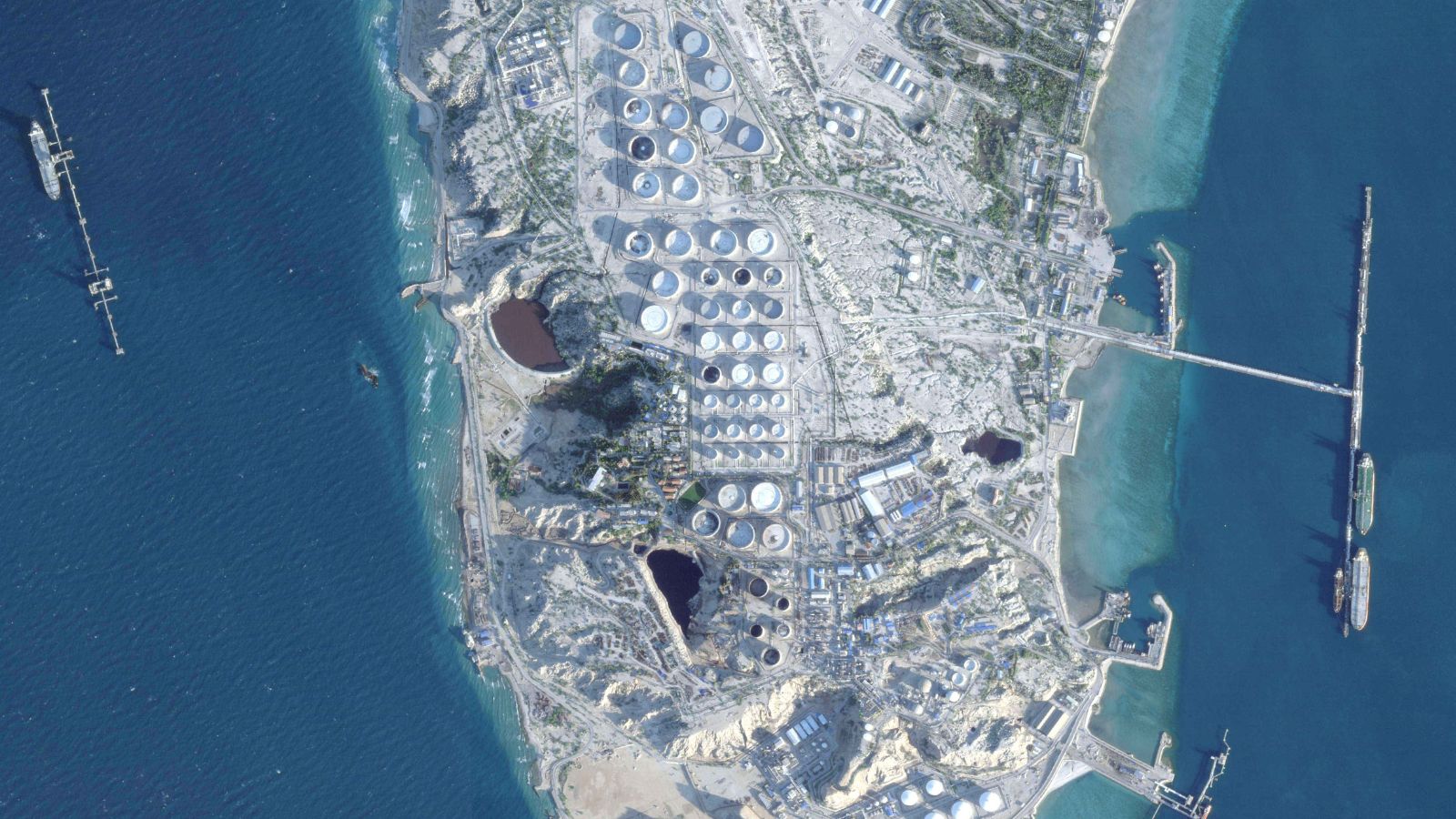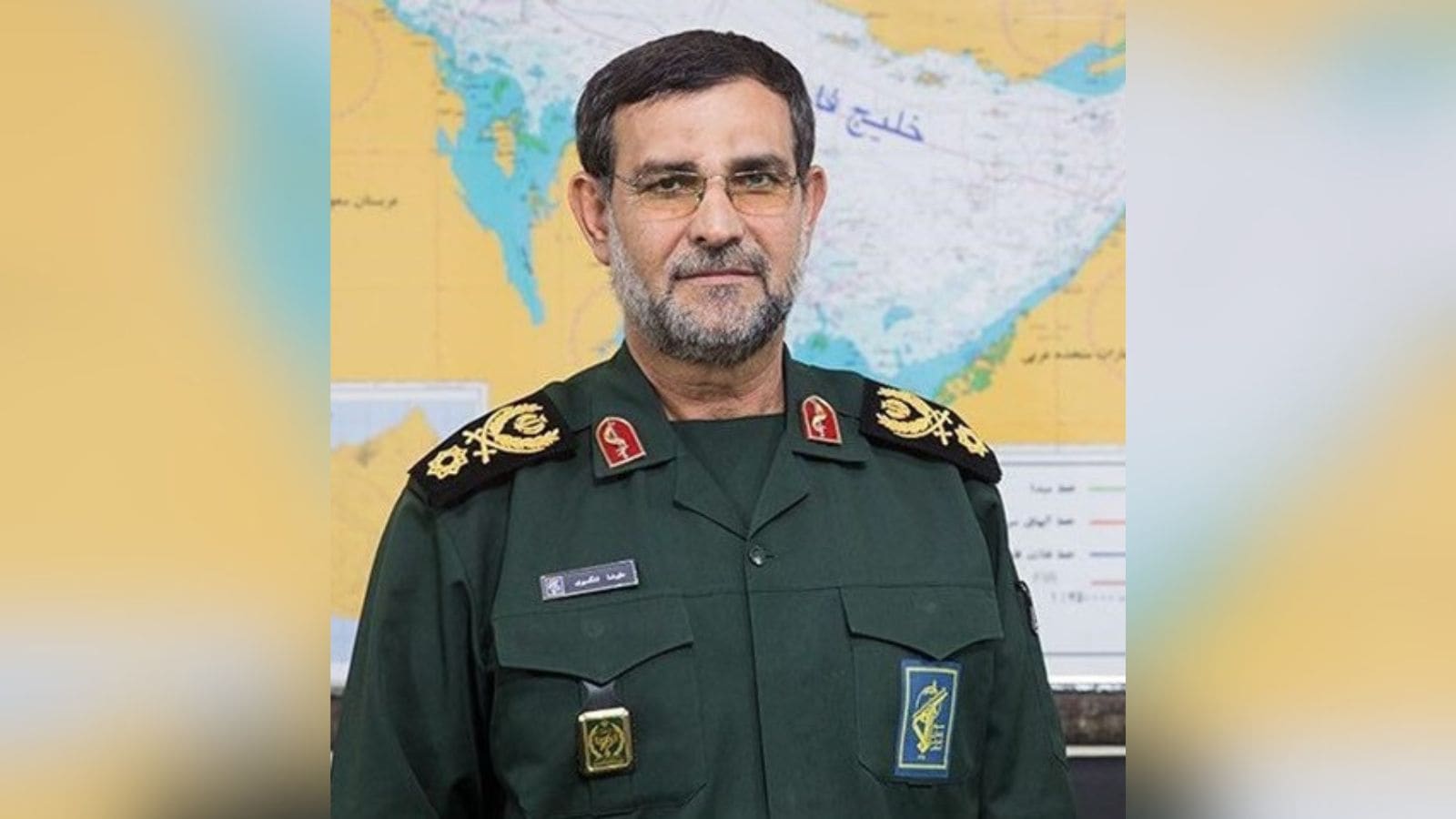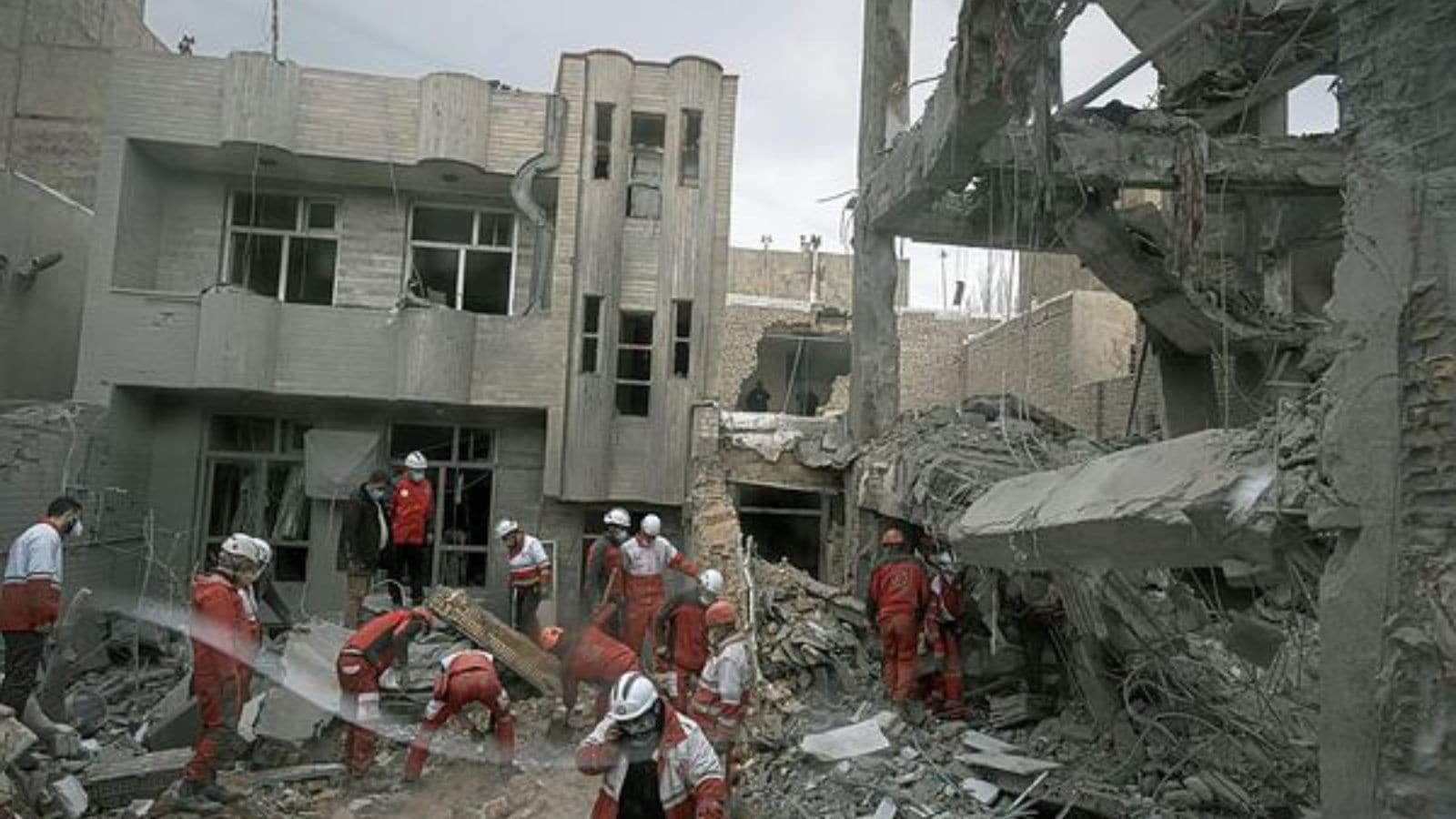
The transition of regional conflict into Day 27 marks the shift from tactical skirmishing to a deliberate restructuring of global energy transit. Iran's decision to refuse direct negotiations with the United States while bifurcating the Strait of Hormuz into "friendly" and "unfriendly" corridors is not a diplomatic tantrum; it is the execution of a high-stakes maritime denial strategy. This maneuver seeks to decouple the physical security of the world’s most critical chokepoint from the established international legal framework of "Innocent Passage."
The Logic of Selective Transit
The Strait of Hormuz represents a binary risk variable for the global economy. By declaring the waterway open only to "friendly nations," Tehran is transitioning the Strait from a global commons to a sovereign-controlled toll gate. This creates a tripartite classification of maritime risk: If you enjoyed this piece, you might want to read: this related article.
- Exempted Tonnage: Vessels flying flags of nations with active security or energy partnerships with Tehran (e.g., Russia, China). These ships see a reduction in insurance premiums as the localized threat profile drops.
- Contested Tonnage: Neutral third-party vessels. These face a "shadow tax" in the form of increased hull and machinery (H&M) insurance rates and potential boarding delays.
- Excluded Tonnage: US-affiliated or allied vessels. For these, the Strait effectively closes, necessitating a costly redirection or the adoption of high-risk "dark fleet" tactics to mask identity.
This selective enforcement exploits the fragility of the global shipping industry's dependency on standardized routes. The primary strategic objective is not a total closure of the Strait, which would trigger a catastrophic, global kinetic response. Instead, it is an asymmetric strangle: a controlled reduction in the flow of energy and goods that specifically targets the economic security of the G7 while rewarding non-aligned or friendly powers.
The Failure of Current Diplomatic De-escalation Models
Traditional diplomatic frameworks operate on the assumption of reciprocal compromise. However, Iran’s refusal to negotiate with Washington signals a fundamental pivot toward a "closed-loop" regional security architecture. This rejection of the US as a credible arbiter stems from three primary geopolitical bottlenecks: For another perspective on this development, refer to the recent update from NPR.
- The JCPOA Precedent: The perceived lack of permanence in previous nuclear and security agreements has diminished the value of American guarantees.
- The Shift toward Multipolarity: The availability of alternate security guarantees from Moscow or Beijing allows Tehran to bypass the dollar-denominated diplomatic system.
- The Internal Legitimacy Variable: Maintaining a hardline stance during conflict provides the necessary domestic narrative of "strategic patience" and resistance against external hegemony.
By removing the possibility of direct negotiation, Iran forces the US into a reactive posture. The US must either accept the new status quo of selective transit or escalate to a direct military intervention, which carries the risk of a broader regional conflagration and an immediate $40-per-barrel oil price spike.
The Mechanics of Maritime Denial
Iran’s leverage over the Strait of Hormuz is not purely a matter of naval tonnage. It is a function of geographic proximity and the deployment of "anti-access/area denial" (A2/AD) capabilities. The physical narrowness of the Strait—only 21 miles wide at its tightest point—converts even primitive kinetic assets into high-leverage tools.
The A2/AD Kill Chain
The operationalization of this maritime denial follows a specific, repeatable sequence. First, the Intelligence, Surveillance, and Reconnaissance (ISR) phase uses land-based radar and UAVs to categorize every hull entering the Persian Gulf. This is followed by the Engagement phase, where Iran utilizes swarming tactics involving Fast Attack Craft (FAC). These boats are not designed to win a traditional naval engagement with a carrier strike group; they are designed to saturate the target's defensive systems and cause enough localized damage to render commercial transit uninsured.
The third and most critical phase is the Economic Interdiction. By making the transit of the Strait a lottery of risk, Iran forces shipping companies to reconsider the "Suez-Hormuz" corridor entirely. This leads to a massive rerouting around the Cape of Good Hope, which adds significant time—roughly 10 to 14 days—and millions of dollars in fuel costs to every single voyage.
The Technological Edge of Domestic Weaponry
A key development on Day 27 is the integration of localized AI and autonomous systems into Iran’s coastal defense batteries. These systems reduce the latency between target identification and missile launch. Unlike previous iterations of regional conflict, the current theater features drones with high degrees of autonomy, capable of loitering over shipping lanes for hours and identifying targets based on pre-programmed acoustic signatures or visual profiles. This is no longer a war of sailors; it is a war of algorithms and electronic warfare (EW) countermeasures.
The Strategic Failure of "Friendly Nations" Exceptions
Iran’s offer to keep the Strait open for "friendly nations" creates a profound geopolitical rift within the international community. It forces nations to choose between maintaining their alignment with US-led security structures or securing their energy supplies by pivoting toward Tehran.
The Incentives for Non-Alignment
For nations like India or China, the offer of "safe passage" is an invitation to deepen their economic footprint in the region at the expense of Western influence. If a Chinese supertanker can traverse the Strait without fear of seizure while an American-linked vessel cannot, the competitive advantage for Chinese refining and manufacturing becomes insurmountable in the short term.
- Lower Fuel Costs: Direct access to Persian Gulf crude without the risk premiums of the "war zone" surcharge.
- Increased Market Share: The ability to fulfill contracts that Western competitors can no longer physically reach.
- Diplomatic Capital: Every barrel of oil delivered through the "friendly" corridor is a silent endorsement of Iran’s regional primacy.
This dynamic creates an "energy balkanization" of the world. The global market, which previously functioned as a single, liquid pool of supply and demand, is being fractured into geopolitical silos. The long-term consequence is the death of the "global price" for oil and the rise of "alliance-based pricing."
The Bottleneck of Global Logistics and Insurance
The true arbiter of the conflict on Day 27 is not the military commander, but the insurance underwriter in London or Singapore. Even if the Iranian Navy never fires a shot, the mere threat of selective seizure is enough to trigger the War Risk Clause in standard maritime contracts.
The Risk Premium Cascade
The financial impact of the current stalemate can be mapped as a recursive loop:
- Incident (or Threat): A vessel is shadowed or harassed.
- Premium Hike: Underwriters immediately increase "War Risk" surcharges. These can jump from 0.01% of a ship's value to 0.5% or higher in a single week.
- Cost Transfer: Shipping companies pass these costs to the end-user (refineries).
- Consumer Inflation: Higher energy costs drive up the price of plastics, transportation, and power, creating a global inflationary spiral that central banks are poorly equipped to handle.
This "Financial Weaponization of Geography" is Iran’s most potent tool. It bypasses the need for a direct kinetic confrontation with the US Navy while achieving the same strategic goal: the erosion of Western economic dominance through the systematic destabilization of its supply chains.
The Strategic Play for Energy Consumers
The current crisis dictates an immediate pivot in energy procurement and maritime logistics. The following tactical adjustments are required for any entity dependent on Middle Eastern crude:
1. Aggressive Supply Chain Diversification
Reliance on the Hormuz corridor must be treated as a systemic risk. This involves prioritizing West African (WAF) or US Gulf Coast (USGC) crudes, even if the spot price is nominally higher. The "security premium" of non-Hormuz oil has now become a permanent fixture of the market.
2. Development of Bypassing Infrastructure
Investment must be accelerated into pipelines that bypass the Strait, such as the Abu Dhabi Crude Oil Pipeline (ADCOP) or the East-West Pipeline in Saudi Arabia. However, these assets themselves are vulnerable to drone and missile attacks, meaning infrastructure investment must be paired with advanced, localized point-defense systems (e.g., C-RAM and Directed Energy Weapons).
3. Sovereign Escort Protocols
If the international legal framework of "Innocent Passage" has collapsed, then "Freedom of Navigation" (FONOP) operations must shift from symbolic gestures to a permanent, convoy-based protection system. This mirrors the "Tanker War" tactics of the 1980s but requires a far higher level of technical integration to counter low-cost autonomous threats.
The conflict has moved beyond the point where simple diplomatic "de-escalation" is a viable path. The geopolitical reality of Day 27 is that the Strait of Hormuz is now a contested space where energy is used as a kinetic weapon. The only rational response is to treat the Strait as a closed system and restructure global trade to survive its permanent volatility.