The postponement of a kinetic strike deadline against Tehran signals a shift from immediate tactical engagement to a strategy of psychological and structural paralysis. By specifying "bridges and power plants" as primary targets, the current administration is moving away from the "maximum pressure" economic sanctions of the previous decade toward a doctrine of physical asset liquidation. This approach targets the fundamental entropy of the Iranian state: an aging industrial base that lacks the redundant systems necessary to survive a concentrated aerial or cyber-kinetic offensive.
The strategic logic rests on the Interdependency Bottleneck. Modern nation-states do not fail because of a single strike; they fail because the destruction of one node (power generation) triggers an exponential collapse in others (water filtration, hospital logistics, command and control). Iran's geography and centralized infrastructure make it particularly susceptible to this cascading failure.
The Triad of Iranian Structural Fragility
To understand the impact of the Tuesday evening ultimatum, one must categorize the Iranian defensive and civil landscape into three distinct layers of vulnerability. These layers dictate the cost-function of any prolonged conflict.
1. Thermal and Hydroelectric Power Generation Nodes
Iran’s power grid is characterized by high centralization and low spare capacity. The loss of several key plants, such as the Shahid Rajaee or Montazer Ghaem facilities, would do more than just "turn off the lights."
- Frequency Instability: A sudden loss of 15% of total generating capacity creates frequency fluctuations that can damage the turbines of remaining plants.
- Industrial Stagnation: Iranian heavy industry, specifically steel and petrochemicals, requires constant, high-voltage loads. Intermittent power effectively mothballs these sectors, cutting off the state’s primary non-oil revenue streams.
- The Cooling Loop: Many of Iran’s nuclear and chemical facilities rely on the civilian grid for secondary cooling systems. A total grid collapse forces these sites onto diesel generators, which have finite run-times and vulnerable fuel supply lines.
2. Civil Engineering as a Strategic Constraint
The mention of "bridges" targets the logistical arteries of the Islamic Revolutionary Guard Corps (IRGC). Iran’s internal security depends on the ability to rapidly shift paramilitary forces between urban centers to suppress domestic unrest.
The destruction of key spans over the Karun River or the complex interchanges surrounding Tehran serves two purposes. First, it isolates the capital from the resource-rich Khuzestan province. Second, it creates "logistics deserts" where heavy military equipment cannot be transported by road, forcing the IRGC to rely on rail or air—both of which are easier to monitor and intercept via satellite and electronic warfare.
3. The Petrochemical Feedstock Vulnerability
While Iran is an oil producer, its refining capacity is a notorious weak point. Targeting the electrical infrastructure of refineries like Abadan or Isfahan creates a feedback loop. Without electricity, the pumps stop. Without the pumps, the refined fuel required for military vehicles and emergency generators disappears. This is the Refinery Stagnation Cycle, where the very resource the country sits upon becomes inaccessible due to a lack of mid-stream processing power.
Kinetic Delay as a Mechanism of Maximum Stress
Repreiving a target for 48 hours is rarely an act of diplomacy; it is a tool of Operational Tempo Manipulation. By setting a hard deadline of Tuesday evening, the administration forces the Iranian leadership into a specific set of high-stress behaviors that expose their hidden assets.
Signature Verification
When a high-value target is threatened with imminent destruction, the defending force moves its most critical assets. Radar signatures, encrypted communications, and physical movements during this "reprieve" window provide the U.S. intelligence community with a refreshed map of the Iranian "Deep State" infrastructure. The delay is, in effect, a diagnostic tool to see which bridges the IRGC prioritizes for reinforcement and which power plants they attempt to harden.
The Cost of Mobilization
Maintaining a state of "High Alert" is economically and psychologically expensive. It pulls workers away from the civilian economy and places immense strain on the military hierarchy. Every hour the ultimatum is extended, the "readiness decay" of the defender increases. Personnel fatigue leads to errors in judgment, and the constant cycling of air defense systems increases the likelihood of mechanical failure or accidental engagement of civilian aircraft.
Theoretical Framework of Infrastructure Collapse
The threat to make infrastructure "collapse" suggests a shift from high-explosive ordnance to Precision Effects-Based Operations (EBO). In this framework, the goal is not to level a building, but to neutralize its function with the least amount of force required.
- Graph Theory Application: Analysts treat the Iranian state as a directed graph where nodes are cities and edges are the transport/power lines connecting them. By identifying "High Centrality" nodes—those through which the most traffic or power flows—the attacker can achieve total systemic failure by destroying only 2% to 5% of total nodes.
- The Restoration Gap: The true lethality of the proposed strikes lies in the difficulty of repair. Due to ongoing sanctions, Iran lacks access to high-end transformers, specialized turbines, and heavy structural steel components. A bridge destroyed on Tuesday cannot be replaced for years. A power plant turbine warped by a sudden surge is a permanent loss. This creates a permanent reduction in the nation's "Carrying Capacity."
Tactical Limitations and Counter-Variables
Despite the overwhelming technical advantage, several variables could dampen the efficacy of an infrastructure-first campaign.
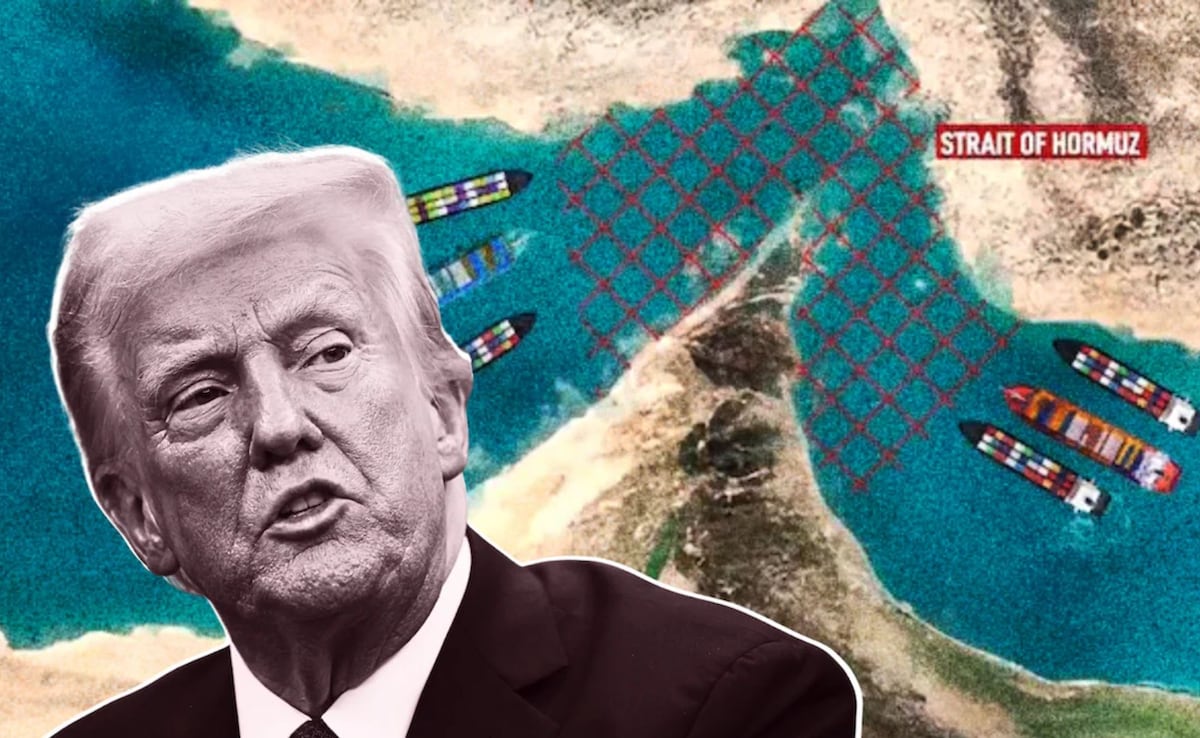
- Asymmetric Retaliation: Iran’s primary defense remains its "Forward Defense" doctrine. The more the domestic infrastructure is squeezed, the more likely Tehran is to activate regional proxies in Lebanon, Iraq, and Yemen to target maritime trade in the Strait of Hormuz. This shifts the cost-function from an Iranian internal problem to a global energy crisis.
- Hardened Redundancy: Over the last two decades, the IRGC has buried significant portions of its command and control infrastructure in "Passive Defense" bunkers. While the civilian bridges may fall, the military’s internal communication lines are often fiber-optic networks buried deep underground, decoupled from the public grid.
- The Rally Effect: There is a historical precedent where the destruction of civilian infrastructure alienates the population from the attacker rather than the regime. If the "collapse" results in mass civilian casualties due to water shortages or hospital failures, the domestic pressure on the Iranian government may pivot into a unified nationalist defense.
The Strategic Forecast
The Tuesday deadline represents the final transition from the "Grey Zone" of cyberattacks and proxy skirmishes into overt "Hard Power" application. If the ultimatum expires without a significant Iranian concession—likely involving a verifiable freeze on enrichment or a withdrawal of regional militias—the initial wave of engagement will not target military bases.
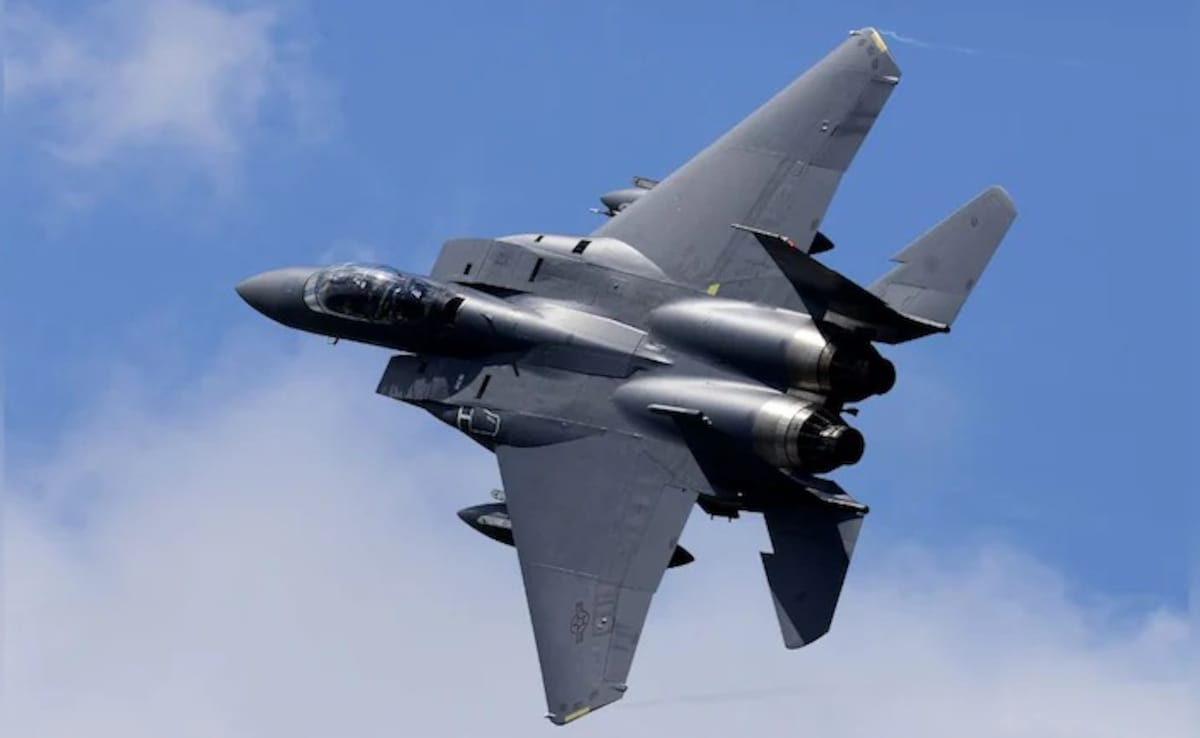
Expect a High-Altitude Electromagnetic Pulse (HEMP) or, more likely, a series of Joint Direct Attack Munition (JDAM) strikes on "Transformer Farms" and "Switching Stations." These are the high-value, low-human-occupancy targets that maximize structural damage while minimizing the immediate civilian body count that often triggers international condemnation.
The strategy is clear: break the machine to paralyze the man. The Iranian state is being treated not as a political entity to be reasoned with, but as a mechanical system to be dismantled at its most vital joints. The next 48 hours will determine if the "system" chooses to shut down gracefully through negotiation or experience a catastrophic, unrecoverable crash.