The headlines are dripping with the same tired narrative. Industry analysts are wringing their hands over a "sober-curious" revolution sweeping through Seoul, Singapore, and Shanghai. They point to falling volumes and the rise of 0% ABV spirits as proof that Gen Z has suddenly found a collective moral compass or a newfound obsession with liver health.
They are dead wrong.
What we are witnessing isn't a pivot toward temperance. It is a violent rejection of the mediocre "industrial drinking" model that has sustained big-label breweries and cookie-cutter bars for forty years. If you think a twenty-three-year-old in Tokyo is ordering a seed-based mocktail because they are terrified of a hangover, you’ve already lost the market. They are ordering it because your house pour tastes like battery acid and their social capital is tied to aesthetics, not intoxication.
The Myth of the Teetotal Generation
Let’s dismantle the "sober" data immediately. Statistics showing a decline in alcohol consumption among young Asians are often cited without the necessary context of caloric economy and disposable income density.
In 2024, the cost of a premium cocktail in a Tier-1 Asian city has outpaced wage growth by a staggering margin. When a drink costs 15% of a daily wage, the consumer doesn't "quit drinking." They optimize. They move from quantity to quality. They switch from six $8 watery lagers to one $25 experimental drink that looks better on a high-refresh-rate smartphone screen.
The industry calls this "sobriety." I call it "aggressive curation."
I’ve watched global beverage conglomerates burn millions of dollars launching non-alcoholic "gins" that taste like wet grass, wondering why they aren't hitting their KPIs. The reason is simple: Gen Z doesn't want "alcohol-free." They want "friction-free." They want experiences that don't result in a wasted Saturday, not because they are saints, but because the competitive pressure of the Asian urban economy doesn't allow for downtime.
The High Cost of the Hangover Tax
In the West, drinking is often a release valve. In the hyper-competitive hubs of Asia, drinking was traditionally a "social tax"—something you did to appease a boss or cement a business deal. The Nomikai in Japan or the Hoesik in Korea were mandatory marathons of misery.
Gen Z isn't "going sober"; they are tax evading.
They are refusing to pay the Hangover Tax. Why would a digital native spend five hours in a smoky room drinking lukewarm Soju with a middle-manager when they could be building a personal brand, gaming, or engaging in "third-space" activities that actually offer a return on investment?
The disruption isn't coming from health kicks. It’s coming from the realization that alcohol, in its traditional "bottomless" format, is a low-utility asset.
Why Mocktails are a Trap for Bar Owners
If you are a bar owner thinking you can save your P&L by slapping a $12 "Virgin Mojito" on the menu, you are delusional.
The "mocktail" as we know it is a dying bridge. The real threat to the alcohol industry isn't a juice blend; it’s the functional beverage. We are seeing a massive shift toward drinks infused with adaptogens, nootropics, and CBD (where legal).
Imagine a scenario where a consumer walks into a high-end lounge in Bangkok. They don't want a "fake gin." They want a drink that provides a specific neuro-chemical state:
- L-Theanine for social anxiety reduction without the slur.
- GABA for relaxation without the motor-skill impairment.
- Nootropic stacks for sharpened wit during a date.
The competitor article suggests producers are "revamping business models" by removing alcohol. That’s a superficial fix. The real winners are the ones adding utility. If your drink doesn't do something for the consumer’s brain chemistry, it’s just expensive sugar water.
The Aesthetic Arbitrage
We have to talk about the "Instagrammability" of the liquid.
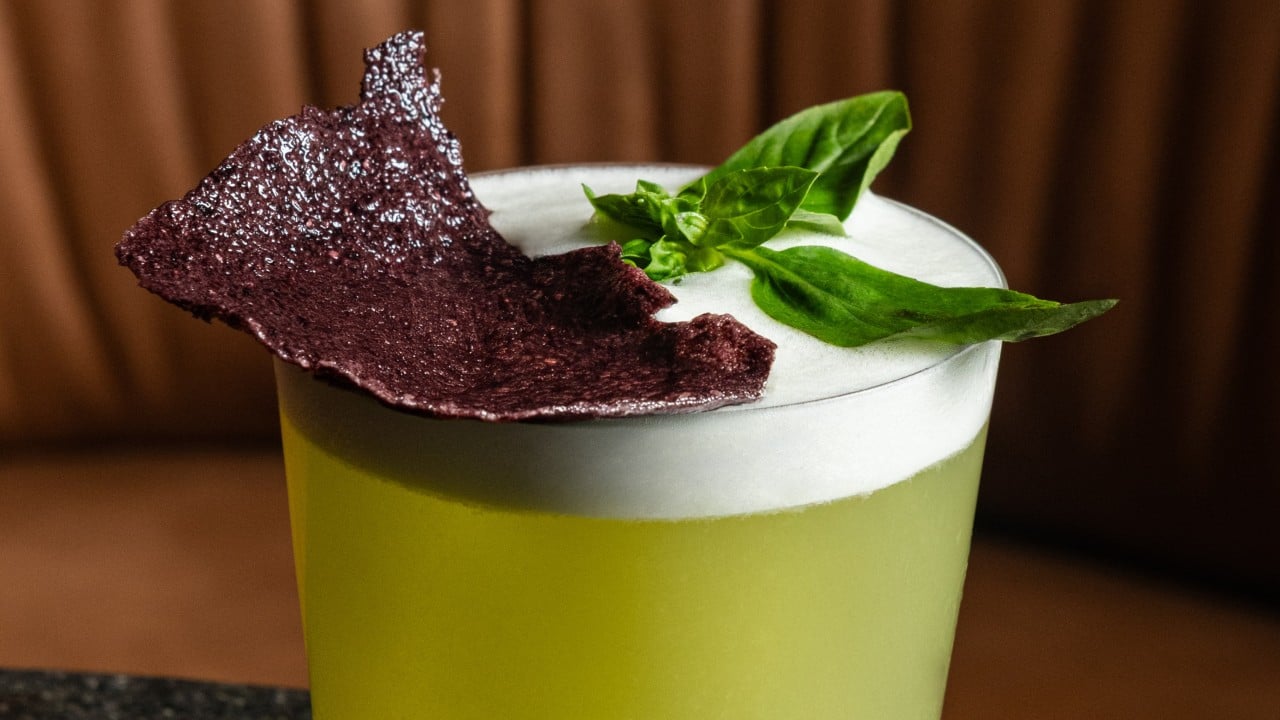
Traditional alcohol—brown spirits, clear spirits, yellow beers—is visually boring. Gen Z is the first generation to consume with their eyes first, second, and third. The "sober" trend is fueled largely by the fact that non-alcoholic chemistry allows for more vibrant colors, more interesting textures, and more elaborate presentations that don't "die" in the glass as the ice melts and the booze oxidizes.
I’ve seen bars in Singapore charge more for a "Botanical Hydrosol" than a 12-year-old Scotch. The margins are astronomical because you aren't paying the excise tax on ethanol. The kids know they’re being overcharged, and they don't care. They are buying a prop for their digital identity.
The Death of the "Drunk" Social Status
In the 90s and 2000s, being able to "hold your liquor" was a sign of masculine or professional prowess in many Asian cultures. Today, being visibly drunk is increasingly viewed as a sign of low self-control and poor "personal maintenance."
This is the "nuance" the lazy consensus misses. It’s not about health; it’s about optics.
In an era of ubiquitous smartphone cameras, the "messy drunk" is a liability. The "sober" movement is a defensive maneuver against permanent digital embarrassment. Alcohol producers who continue to market their products through the lens of "party culture" are missing the mark. The new status symbol is lucidity.
Stop Building Bars, Start Building "States"
If you are in the hospitality business, stop trying to find the best non-alcoholic beer. It doesn't exist. Even the best ones taste like disappointment and bread water.
Instead, look at the rise of "Teahouses 2.0." In cities like Chengdu and Taipei, we are seeing the emergence of nighttime venues that treat tea with the same reverence and "cool factor" as a speakeasy. These aren't places for your grandmother. They are dark, loud, high-design environments where the "high" comes from high-grade caffeine and the ceremony of the pour.
This is the real competitor to the bar industry. It’s not a lack of interest in drinking; it’s a shift in the ritual.
The Data the Big Brewers Are Ignoring
Global giants like Heineken and AB InBev are touting their 0.0% lines as the future. They are playing a volume game in a world that has moved to a value game.
- Volume Growth: -2% to -4% in key demographics.
- Value Growth: +12% in premium, functional, and "identity" liquids.
The big brewers are trying to sell "less of the same." The disruptors are selling "something entirely different."
The "sober" Gen Z in Asia is a myth born of poorly interpreted spreadsheets. They are just as hedonistic as their parents; they’ve just realized that cheap ethanol is a terrible way to achieve a high in a world that demands 24/7 peak performance.
The Brutal Reality for Producers
If you are an alcohol producer, don't "pivot to sober." Pivot to potency and purity.
The middle ground—the mass-produced, mid-shelf brands—is a graveyard. You either go "high-octane, ultra-premium" for the rare nights of total abandonment, or you go "functional, zero-alcohol, high-utility" for the daily social grind.
The "moderate drinker" is a disappearing species. We are moving toward a bipolar market: Total sobriety for the work week, and surgical, high-end intoxication for the 1%.
Stop asking how to make your beer alcohol-free. Start asking why anyone would want to drink your beer in the first place when they have a thousand more interesting ways to spend their time and money.
Stop romanticizing the decline. This isn't a health movement. It’s a sophisticated boycott of boring products.
Invest in neuro-chemistry or get out of the glass.