Cuba’s current electrical failure is not a localized technical glitch but the systemic culmination of a decapitalization cycle where operational demands have permanently decoupled from maintenance capacity. The collapse of the national grid (SEN - Sistema Eléctrico Nacional) functions as a case study in cascading failure theory, where the intersection of aging infrastructure, fuel supply volatility, and a lack of redundant thermal capacity creates a zero-margin environment. To understand the blackout is to understand the physics of a grid that has lost its "spinning reserve"—the extra generating capacity available to compensate for the instant a large plant goes offline.
The Triad of Systemic Failure
The stability of any national power grid rests on three pillars: Fuel Continuity, Mechanical Integrity, and Load Balancing. In the Cuban context, all three pillars have suffered simultaneous degradation.
1. The Fuel Supply Bottleneck
The Cuban energy mix is heavily skewed toward thermoelectric plants (TEP) and distributed generation (fuel oil/diesel engines). This reliance creates a direct sensitivity to maritime logistics and international credit lines.
- Import Dependency: The "US oil blockade" functions as a significant friction point in the procurement process. It increases the "risk premium" for tankers, forces the use of intermediaries, and complicates the financial transactions required to settle invoices.
- The Quality Coefficient: Much of Cuba’s heavy crude contains high sulfur content. Burning this low-grade fuel in plants designed for lighter blends accelerates the corrosion of boiler tubes and turbines, effectively trading short-term power generation for long-term structural decay.
2. Mechanical Obsolescence and the Maintenance Deficit
The average age of Cuba’s primary thermoelectric units exceeds 35 years, surpassing the standard 25-to-30-year lifecycle for such machinery.
- Cyclical Stress: Thermoelectric plants are designed for "base load"—running at a steady state. Due to frequent deficits, these plants are often "cycled" (turned on and off) or pushed to operate at 100% capacity without the required cooling intervals. This thermal stress leads to micro-fractures and frequent "outages for breakdown" rather than "scheduled maintenance."
- The Spare Parts Gap: Specialized components for Soviet-era or aging European turbines are no longer in mass production. Procurement requires custom fabrication or cannibalization, extending downtime from days to months.
3. The Load Balancing Paradox
A grid must maintain a precise frequency (60Hz in Cuba). When demand exceeds supply, the frequency drops. If it drops below a critical threshold, the entire system must trip to prevent the physical destruction of the generators.
- The Antonio Guiteras Variable: The Matanzas-based Antonio Guiteras plant is the system's most critical node. Because the grid lacks a "buffer," the unexpected trip of this single unit triggers a frequency deviation that the remaining smaller plants cannot absorb, leading to a total system shutdown (black start).
The Economics of Distributed Generation
Following the 2004-2006 energy crisis, Cuba implemented a strategy of Distributed Generation (DG). This involved installing thousands of small diesel and fuel oil engines across the country. While this was intended to provide resilience, it created a new set of logistical vulnerabilities.
- Logistical Complexity: Moving fuel via truck to thousands of small sites is significantly less efficient than moving it via pipeline or tanker to a few massive plants.
- Unit Cost of Power: The cost per kilowatt-hour (kWh) produced by a small diesel generator is exponentially higher than that of a large-scale thermal plant. This places an immense strain on the national budget, particularly when global oil prices spike.
- The Maintenance Multiplier: Instead of maintaining eight large plants, the state must maintain thousands of engines. This thins the technical workforce and spreads specialized tools across a vast geography, leading to lower overall "availability factors."
Analyzing the Impact of External Constraints
The Sanctions-Credit-Fuel nexus is the primary external driver of the crisis. While domestic mismanagement plays a role, the geopolitical constraints act as a force multiplier for existing technical failures.
- Financial Friction: Sanctions limit the ability of the Cuban central bank to use international payment systems. This means fuel shipments are often diverted or delayed at the last minute because of payment clearing issues, leaving plants with only hours of fuel "on hand."
- Technological Isolation: Modern grid management requires advanced software and high-efficiency sensors. US-based components or software are often restricted, forcing the use of less integrated, legacy systems that lack the "self-healing" capabilities found in modern smart grids.
- The Shipping Premium: Vessels that touch Cuban ports may face sanctions, reducing the pool of available tankers. This creates a "scarcity tax" on every barrel of oil imported, further draining the hard currency reserves needed for grid modernization.
The Renewable Energy Calculation
The Cuban government has stated a goal to transition to 24% renewable energy by 2030. However, the path to this goal faces a fundamental integration problem.
- Intermittency vs. Stability: Solar and wind are intermittent. Without massive battery storage or a stable "spinning reserve" from thermal plants to smooth out the fluctuations, adding more solar to a fragile grid can actually increase the risk of collapse.
- Capital Expenditure (CAPEX): Renewables have low operating costs but high upfront costs. In a credit-constrained environment, securing the millions needed for solar farms is functionally impossible without significant foreign direct investment (FDI), which is deterred by the same sanctions that affect the oil supply.
Operational Reality: The Black Start Challenge
Recovering from a total grid collapse—a "Black Start"—is one of the most complex maneuvers in electrical engineering. It requires "energizing" the system in isolated micro-grids and then slowly synchronizing them.
- Step 1: The Seed Power: Small generators are used to start a slightly larger plant.
- Step 2: The Island Phase: Regions are powered as "islands," independent of each other.
- Step 3: Synchronization: The frequency of two islands must be perfectly matched before they are joined. If they are even slightly out of sync, the resulting surge will trip both, forcing the process to restart from zero.
This explains why, during recent collapses, power returns to Havana or certain provinces only to disappear hours later. The system is attempting to "stitch" the country back together, but the underlying weakness of the thermal units makes them prone to tripping during the synchronization phase.
Strategic Outlook and Necessary Interventions
The current trajectory suggests that incremental repairs will no longer suffice to stabilize the SEN. The system has reached a state of entropy where the rate of decay exceeds the rate of repair.
To achieve a baseline of stability, the strategy must shift from "repair" to "modular replacement." This involves:
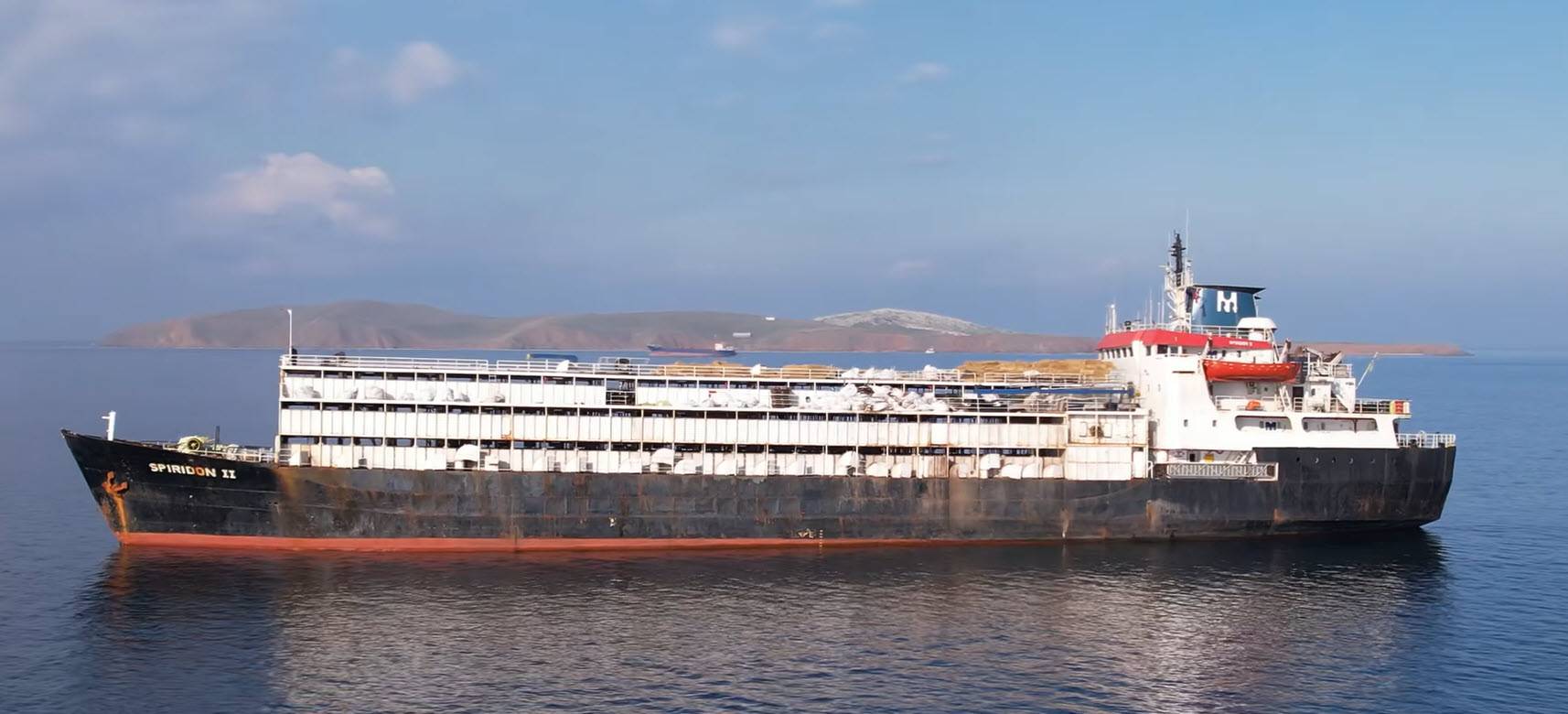
- Prioritizing Floating Power (Powerships): Increasing the lease of Turkish powerships provides a temporary "external" base load that is not dependent on the crumbling domestic thermal infrastructure. This buys time for deep maintenance on plants like Antonio Guiteras.
- Hard-Currency Ringfencing: Establishing a dedicated, protected fund specifically for the procurement of thermal plant "wear parts" (boiler tubes, high-pressure valves) to prevent the "cannibalization" of units.
- Aggressive Decentralization with Storage: Shifting the renewable strategy away from large-scale "farms" and toward localized, industrial-scale battery storage that can keep critical infrastructure (hospitals, water pumps) online even when the national frequency drops.
The failure is not merely a lack of fuel; it is the exhaustion of the physical assets themselves. Without a massive injection of capital and a shift toward more resilient, modular generation, the grid will continue to operate in a state of permanent "near-collapse," where the margin for error is effectively zero.