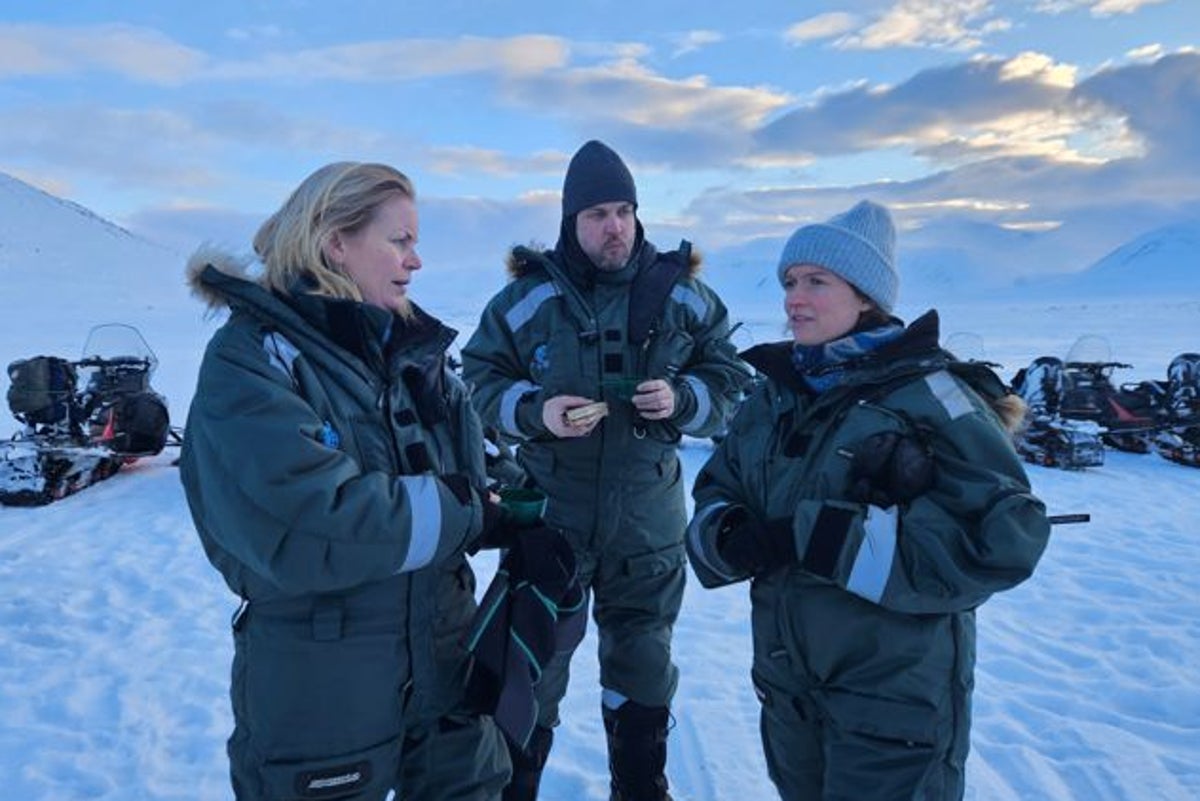
The United States is losing some of its brightest minds to the fjords. It’s not just about the scenic views or the salmon. It’s a survival tactic. Over the last year, a quiet but steady exodus of climate scientists has been unfolding as researchers flee a federal environment that’s become openly hostile to their work. Norway, sensing a massive opportunity, is rolling out the red carpet with millions in funding and a promise of something that’s becoming a luxury in the U.S. — academic freedom.
Sigrun Gjerløw Aasland, Norway’s Minister for Research and Higher Education, recently confirmed that at least 23 high-level U.S. scientists have already relocated to Norwegian institutions. These aren't just entry-level assistants. We're talking about experts from NASA, Stanford, Columbia, and the National Laboratories. They’re jumping ship because the U.S. federal government has effectively declared war on climate data. Also making news in related news: Finland Is Not Keeping Calm And The West Is Misreading The Silence.
The great American brain drain
When the federal government starts shuttering modeling centers and "evicting" agencies like the Goddard Institute for Space Studies (GISS) from their long-time homes, people notice. It's not just a budget cut; it's a message. For a climate scientist, your life’s work depends on long-term data and stable funding. If you’re told your research is "climate alarmism" and your office is being liquidated, you don't stick around to see what happens next.
The numbers are startling. More than 10,000 doctorate-level experts have left federal employment recently. While not all are climate scientists, the chill in the air is unmistakable. In 2025, the U.S. administration slashed the National Science Foundation’s budget by over 50%. They even pulled the plug on the technical support for the IPCC. If you're a world-class researcher, you go where the work is valued. Right now, that’s Norway. Additional insights regarding the matter are detailed by NBC News.
Why Norway is winning the talent war
Norway isn't just sitting back and watching. They've been aggressive. The government launched a 100 million NOK (about £8 million) program specifically designed to snag international researchers. It’s a brilliant move. They’re capitalizing on U.S. instability to boost their own standing as a global leader in Arctic research.
- Stability: Norwegian grants like the ones through the Research Council offer years of guaranteed funding.
- Arctic Access: 35% of Norway is north of the Arctic Circle. If you study ice sheets or the carbon cycle, you’re on the front lines.
- Academic Freedom: There’s no political pressure to "adjust" findings or avoid certain keywords.
Scientists moving there are diving into projects that the U.S. has basically abandoned. They’re looking at how melting polar ice affects global security and how battery systems can replace fossil fuels. While the U.S. pivots back to coal and gas, Norway is using its oil wealth to fund the very research that will eventually make oil obsolete. It's ironic, sure, but it's also effective.
What this means for the future of science
This isn't just a "Norway vs. USA" story. It’s a global shift. When the U.S. retreats from scientific leadership, others fill the void. Germany has seen a 32% spike in applications from U.S. researchers. The world isn't stopping its climate research just because Washington decided to stop paying for it.
The real tragedy is the loss of institutional knowledge. You can't just "rehire" twenty years of expertise at NASA or NOAA once the political winds change. As New Mexico’s environment secretary Pete Perez put it, you can chop down a hundred-year-old tree in thirty minutes, but you can’t regrow it overnight. The U.S. is effectively clear-cutting its intellectual forest.
The reality of the move
Moving to Norway isn't a fairy tale. The cost of living is high, the winters are dark, and the language barrier is real, even if most Norwegians speak perfect English. But for many, it’s a small price to pay for a workplace where "climate change" isn't a banned phrase.
If you're a researcher feeling the squeeze in the U.S., here's what you need to know about the Norwegian landscape. The University of Oslo and the Norwegian University of Science and Technology (NTNU) are the primary hubs taking in these "climate refugees." They aren't just looking for scientists; they want engineers and social scientists who understand the "circular economy."
- Check the Research Council of Norway: They regularly post international calls for talent.
- Look at the Arctic frontiers: Institutions in Tromsø are doing the heavy lifting on ice sheet modeling.
- Network early: Most of these 23 scientists had existing collaborations in Europe before making the jump.
The U.S. is currently betting that it doesn't need climate science to thrive. Norway is betting the opposite. Given that the Arctic is warming four times faster than the rest of the planet, it’s pretty clear who has the better long-term strategy. If you're in the business of facts, the data says it's time to pack a very heavy coat.


.png?width=1200&auto=webp&crop=3%3A2)