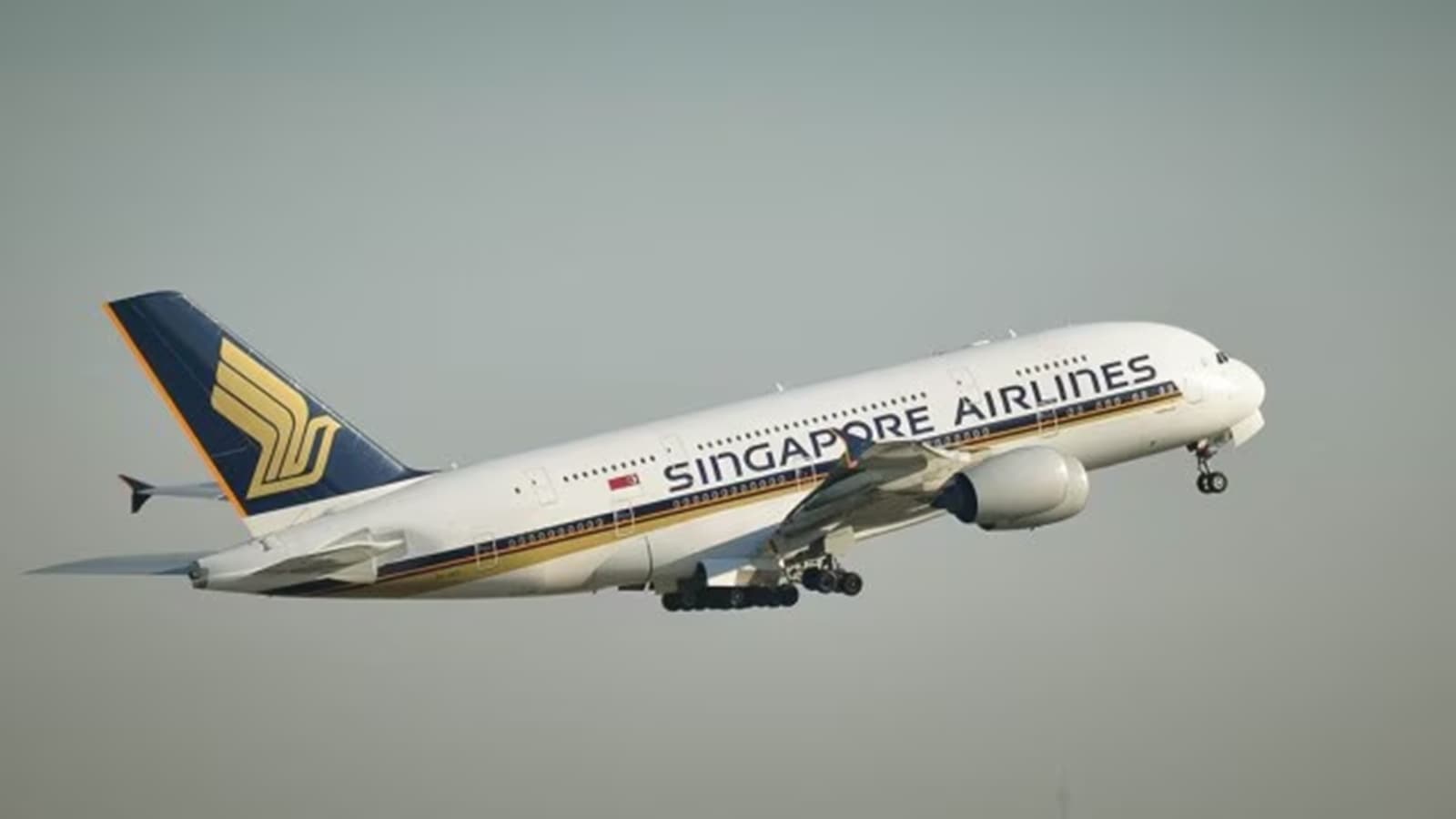
Air travel feels like a lawless bubble sometimes. You're squeezed into a metal tube at 30,000 feet, and suddenly, the social contract we all signed on the ground starts to fray. A recent incident involving an Indian national charged with molesting a flight attendant on a Singapore Airlines flight proves that our current "wait and see" approach to cabin safety is broken.
If you think this is just another rowdy passenger story, you’re missing the point. This isn't about someone having one too many gin and tonics. It’s about a systemic failure to protect the very people responsible for our safety during an emergency. When a crew member is targeted, every passenger on that plane is at higher risk. Read more on a similar issue: this related article.
The Reality of the Singapore Airlines Incident
The facts are blunt and uncomfortable. During a flight from Mumbai to Singapore, a 40-year-old man allegedly touched a female cabin crew member inappropriately. This didn't happen in a vacuum. It happened while she was performing her duties, likely during a meal service or a routine cabin check. The man was arrested immediately upon landing at Changi Airport.
He now faces a charge of outrage of modesty. In Singapore, that’s not a slap on the wrist. We’re talking about a potential jail term of up to two years, a fine, caning, or a combination of all three. Singapore’s judicial system doesn't play games with physical harassment. They view the sanctity of their national carrier as a matter of state pride and public safety. Further journalism by National Geographic Travel highlights related perspectives on the subject.
I’ve spent enough time in the air to know that these incidents are rarely isolated outbursts. They’re usually the culmination of a flight-long pattern of "testing the waters" with the crew. It starts with a rude comment, moves to a "mistaken" touch, and ends in a criminal charge. We need to stop acting surprised when it happens and start asking why it’s allowed to escalate.
Why Cabin Crew Are Vulnerable Targets
Cabin crew members aren't just servers in the sky. They’re first responders, firefighters, and security detail rolled into one. Yet, many passengers treat them like invisible help. This power dynamic is skewed from the moment you board.
- Enclosed Spaces: There’s nowhere to go. If a passenger is making a crew member uncomfortable, that staffer still has to walk past that seat fifty more times.
- The Customer is Always Right Mentality: Airlines have spent decades pushing "premium service." This has inadvertently signaled to some travelers that they’ve purchased the right to behave however they want.
- Alcohol Access: While we don't know the toxicology in this specific Singapore Airlines case, let's be real. Booze is the gasoline on the fire of almost every mid-air assault.
The International Air Transport Association (IATA) reported a significant post-pandemic spike in unruly passenger incidents. We aren't just seeing more people complaining about the chicken or pasta. We’re seeing more physical interference. When you molest a crew member, you’re distracting them from monitoring the cabin for actual life-threatening hazards like smoke or medical emergencies.
The Legal Maze of International Airspace
One reason these cases get messy is the "Tokyo Convention" of 1963. Basically, the jurisdiction for a crime usually falls to the country where the aircraft is registered. If you’re on a Singapore-registered plane, you’re under Singaporean law, regardless of whether you're over the Arabian Sea or the Bay of Bengal.
This is why the Indian national was hauled straight to a Singaporean court. People often think they can hide behind their passport or the fact that they're in international airspace. They can't. If you mess up on a Singapore Airlines bird, you're dealing with a legal system that values order above almost everything else.
Most travelers don't realize how much power the Pilot in Command (PIC) actually has. They can authorize the restraint of a passenger and even divert the flight at the passenger's expense. If you've ever seen the bill for an unscheduled landing of a Boeing 777, you'd know it’s enough to bankrupt most people.
What Needs to Happen Now
We can't keep relying on the threat of jail time after the fact. The damage is done once the assault happens. We need a shift in how airlines manage the cabin environment from the gate to the galley.
First, the "no-fly list" needs to be universal. Right now, if you get banned from one airline for harassment, you can often just book a ticket on another the next day. There’s no centralized database for predatory behavior. That’s insane. If you can’t keep your hands to yourself on one carrier, you’ve lost the privilege of flying on any carrier.
Second, the training for cabin crew needs to move away from "de-escalation" and toward "intervention." We’ve spent years telling crew members to smile and offer water to people who are being creeps. That has to stop. The moment a passenger crosses a physical boundary, the service for that passenger should end. Period.
Third, passengers have a role. We see things. We hear things. If the guy in 32B is making life hell for the crew, don't just put your noise-canceling headphones on and look at the clouds. Be a witness. Document it. Tell the lead stewardess.
The Singapore Airlines case serves as a grim reminder that our skies aren't as safe as the marketing brochures suggest. It isn't just about "unruly behavior." It's about criminal assault. As long as we keep calling these incidents "disruptions" instead of "crimes," we’re part of the problem.
Check your own travel insurance policies. Many don't cover delays caused by "unruly passengers" if you’re the one causing the trouble, and some won't even cover your legal fees if you're the victim. It’s a messy, expensive, and traumatizing situation for everyone involved.
Next time you fly, watch how the people around you treat the staff. If it feels wrong, it probably is. Don't wait for a headline to remind you that the person serving your coffee is a human being with the right to work without being touched.