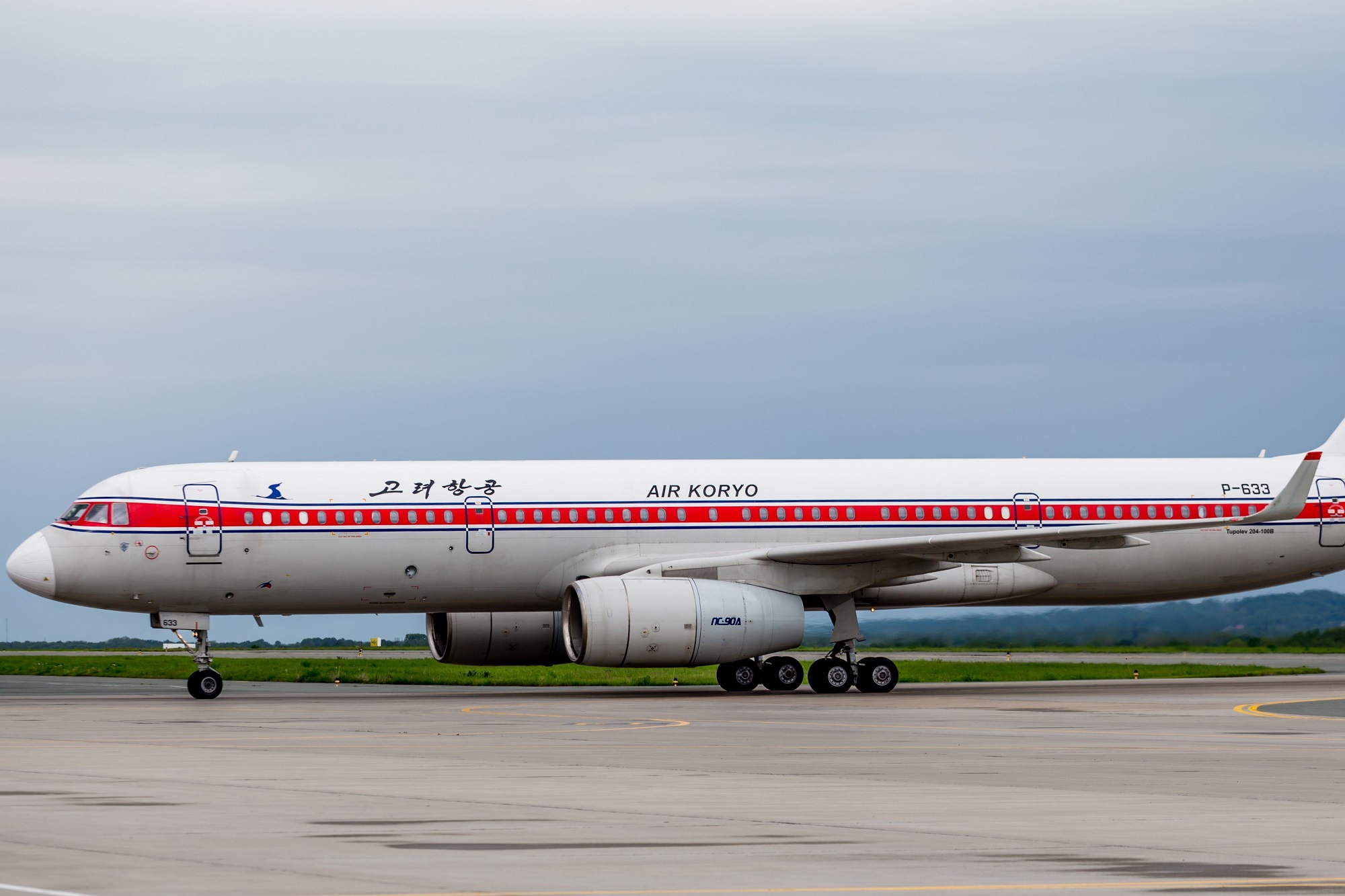
The headlines are shouting about a "thaw" and a "return to normalcy" because a few Tupolev jets are finally crossing the Yalu River again. It is a classic case of analysts looking at a flight board and mistaking it for a diplomatic breakthrough. China resuming direct flights to Pyongyang after a multi-year hiatus isn't the start of a new era of regional integration. It is a carefully managed, high-stakes performance of "business as usual" that hides a much uglier reality of stagnation and systemic distrust.
If you think this is about tourism or economic revitalization, you haven't been paying attention to how the Kim regime actually functions.
The Tourism Myth
Most mainstream reporting suggests that the return of Air Koryo and Air China to these routes will spark a much-needed influx of Chinese currency into the North Korean economy. This assumes that the North actually wants a mass influx of people.
They don't.
Pyongyang views every single foreign national as a potential vector for "ideological pollution." I have spent a decade watching these border dynamics play out. Every time a new "opening" is announced, it is immediately choked by layers of bureaucracy designed to ensure that only the most vetted, state-sanctioned travelers ever set foot in the capital. These flights aren't for the masses. They are for the elites, the diplomats, and the shadow brokers who facilitate the "under-the-table" trade that keeps the regime’s inner circle in luxury goods.
To call this a "resumption of travel" is like calling a prison transport a "commuter rail."
The Logic of Managed Desperation
The timing of these flights isn't a coincidence. It’s a response to the growing closeness between Pyongyang and Moscow. Beijing hates being the second choice. By allowing these flights to resume, China is reminding Kim Jong Un who his primary landlord is.
It is a low-cost, high-visibility way for Beijing to assert its influence without actually committing to the kind of massive infrastructure investment that would trigger more Western sanctions. It’s "strategic signaling" at its most cynical.
Think about the math of a state-run airline. Air Koryo operates a fleet that would be grounded in almost any other country for safety violations. These planes are old. They are inefficient. From a purely commercial standpoint, these routes are a disaster. No private airline would touch them. They exist solely because the political cost of them not existing became too high for the CCP to ignore.
Decoding the "People Also Ask" Delusions
When people ask, "Is it safe to fly to North Korea now?" they are asking the wrong question. The question isn't about the airworthiness of a Tu-204; it's about whether you understand that your presence is being used as a prop for a regime that values your ransom potential more than your vacation photos.
Another common query: "Will this lead to North Korea opening its borders fully?"
The answer is a brutal no. North Korea does not "open." It breathes. It takes a controlled inhale of resources and then holds its breath to prevent its internal structures from collapsing under the weight of outside influence. These flights are a straw, not an open door.
The High Cost of the "Status Quo"
There is a massive downside to this contrarian view: it means the "stability" everyone talks about is a facade. By pretending that the resumption of flights signals a return to the 2018-2019 era of diplomacy, we ignore the fact that the underlying tensions are actually worse.
- Weaponization of Logistics: Flights are being used as a bargaining chip for food and fuel.
- Intelligence Vacuum: These flights allow for the movement of personnel that bypasses traditional electronic surveillance.
- Sanction Erosion: Regular flight schedules make it significantly easier to move small, high-value items that are prohibited under UN resolutions.
I’ve seen this cycle before. A "gesture of goodwill" is made, the media celebrates a "breakthrough," and six months later, we are right back to missile tests and fiery rhetoric. The only difference this time is that the planes have fresh paint.
The Reality of the "Direct Flight"
Direct flights imply a connection. But there is no real connection between Beijing and Pyongyang. There is only a series of transactional exchanges.
If you are an investor looking at this as a sign that the "Hermit Kingdom" is finally joining the 21st century, you are going to lose your shirt. The regime has no interest in a market economy. They want a "tribute economy." They want the flights to bring in the technical experts who can help them bypass sanctions, the diplomats who can stall for time, and the hard currency that keeps the lights on in the Ryugyong Hotel.
Stop looking at the flight trackers. Start looking at the cargo manifests. That is where the real story is. The passengers are just the window dressing for a much darker trade.
The resumption of these flights isn't a sign of progress. It's a sign that the theater of diplomacy has run out of new scripts, so they’ve decided to revive a tired old production from the 1990s.
Don't buy the ticket.


