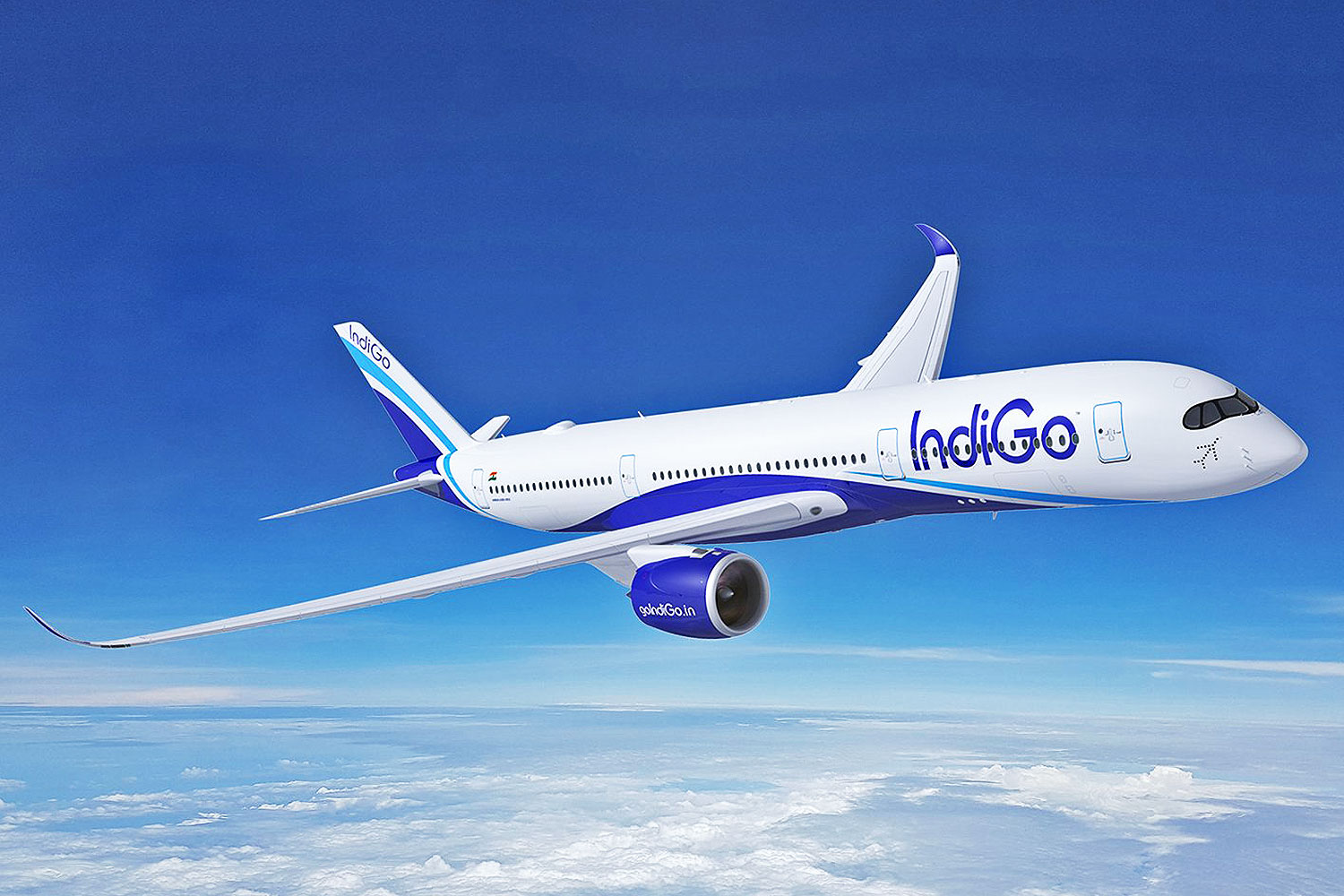
The sky over the Middle East is getting crowded, and Indian carriers are the ones pushing the limits. Today marks a significant milestone in regional connectivity as the Air India Group and IndiGo ramp up their schedules to hit a combined 60 flights to West Asia. That isn't just a random scheduling spike. It’s a calculated move to dominate one of the most lucrative air corridors on the planet.
If you’ve tried booking a flight to Dubai, Doha, or Riyadh lately, you know the struggle. Prices fluctuate wildly. Seats vanish in seconds. By deploying 30 flights each today, these two aviation giants are trying to stabilize a market that has been under immense pressure from high demand and shifting geopolitical ripples. Air India Group, which includes the flagship carrier and Air India Express, is finally flexing its consolidated muscle. Meanwhile, IndiGo continues its relentless march as the budget king of the skies.
Why West Asia is the Battleground for Indian Aviation
For years, the "Big Three" Gulf carriers—Emirates, Etihad, and Qatar Airways—held a chokehold on travel between India and the West. They used their massive hubs to scoop up Indian passengers and fly them everywhere from London to New York. But the tide is turning. Indian airlines don't want to be the feeder anymore. They want to be the destination and the bridge.
The West Asia market is unique because it isn't just about tourism. It’s built on the backs of millions of Indian expatriates working in the Gulf. This labor corridor is the lifeblood of many Indian states, especially Kerala. When Air India Group operates 30 flights in a single day to this region, they aren't just selling tickets. They're facilitating a massive economic exchange.
IndiGo’s approach is slightly different. They thrive on frequency and point-to-point connectivity. While a full-service carrier might focus on the comfort of a long-haul connection, IndiGo bets on the fact that you just want to get to Sharjah or Muscat without breaking the bank or waiting six hours in an airport lounge.
The Strategy Behind the 30 Flight Milestone
Reaching 60 flights between just two corporate entities in 24 hours requires a logistical dance that would make a watchmaker jealous. You have to account for landing slots, which are notoriously hard to get in cities like Dubai. You have to manage crew rotations across different time zones. Most importantly, you have to ensure the planes are full.
Air India Group has the advantage of variety. They can deploy wide-body aircraft for high-capacity routes or use the leaner Air India Express fleet for secondary cities. This "pincer movement" allows them to capture both the premium business traveler and the budget-conscious migrant worker.
IndiGo stays in its lane but does it better than anyone else. Their fleet of A320s and A321s is young and efficient. By running 30 services today, they’re effectively saying they can match the legacy carrier’s reach while maintaining the lean operations of a low-cost carrier. It's a bold claim. It seems to be working.
Breaking Down the Route Map
The concentration of these flights usually hits the major hubs first.
- Dubai and Sharjah: Always the top performers. The demand here is bottomless.
- Saudi Arabia: With the Kingdom’s "Vision 2030" in full swing, business travel to Riyadh and Jeddah is skyrocketing.
- Qatar: Post-World Cup, Doha has remained a massive transit and destination point.
- Kuwait and Oman: Steady, high-volume routes driven by long-standing expat communities.
What This Means for Your Next Trip
More flights usually mean more competitive pricing, but don't expect a price war just yet. Fuel costs and airport fees in the Middle East remain high. However, the sheer volume of options means you’re less likely to be stuck with a ten-hour layover.
If you're flying today, you’ll notice the intensity. Ground handling crews are working double shifts. Check-in counters are packed. The competition between IndiGo’s teal-and-white planes and the new "Vista" livery of Air India is visible on every tarmac from Mumbai to Abu Dhabi.
The Operational Reality of Massive Flight Schedules
People often ask how an airline can suddenly "schedule" 30 services in a day without everything falling apart. It’s about utilization. In the airline world, a plane only makes money when it’s in the air.
Indian carriers have become masters at "red-eye" cycles. A plane leaves Delhi at 10:00 PM, lands in Dubai at midnight, turns around in 45 minutes, and is back in India for the morning rush. It’s grueling for the crews, but it’s the only way to keep fares even remotely affordable.
The Air India Group is currently in a "transformation" phase. They're trying to shed the old, slow image of a state-run entity. Seeing them match IndiGo’s agility in the West Asia sector is a sign that the Tata Group’s investment is starting to bite. They aren't just playing catch-up. They're trying to set the pace.
Navigating the West Asia Travel Boom
If you’re planning to be part of this massive wave of travelers, you need to be smart about how you book. The fact that there are 60 flights today doesn't mean you should wait until the last minute.
- Check the Airport Codes: Many people confuse Dubai (DXB) with Al Maktoum (DWC) or Sharjah (SHJ). IndiGo often flies into the latter to keep costs down. It’s a short drive, but a huge difference in ticket price.
- Baggage Alarms: Air India Group’s full-service wing is generous with baggage. Air India Express and IndiGo are not. Don't get caught at the counter paying per kilogram.
- The Connectivity Factor: If you’re heading beyond the Middle East, look at Air India’s codeshare agreements. They’re increasingly using West Asia as a jumping-off point for Europe, competing directly with the very Gulf airlines that once dominated them.
The massive surge in operations today is a clear signal. India is no longer content being a passenger in the global aviation market. Between the Air India Group's legacy and IndiGo’s efficiency, the West Asia corridor is becoming an Indian stronghold.
Grab your passport and check your terminal twice. The sheer volume of flights means gates change fast and schedules are tight. If you're heading West today, you're part of a record-breaking shift in how India connects with the world.