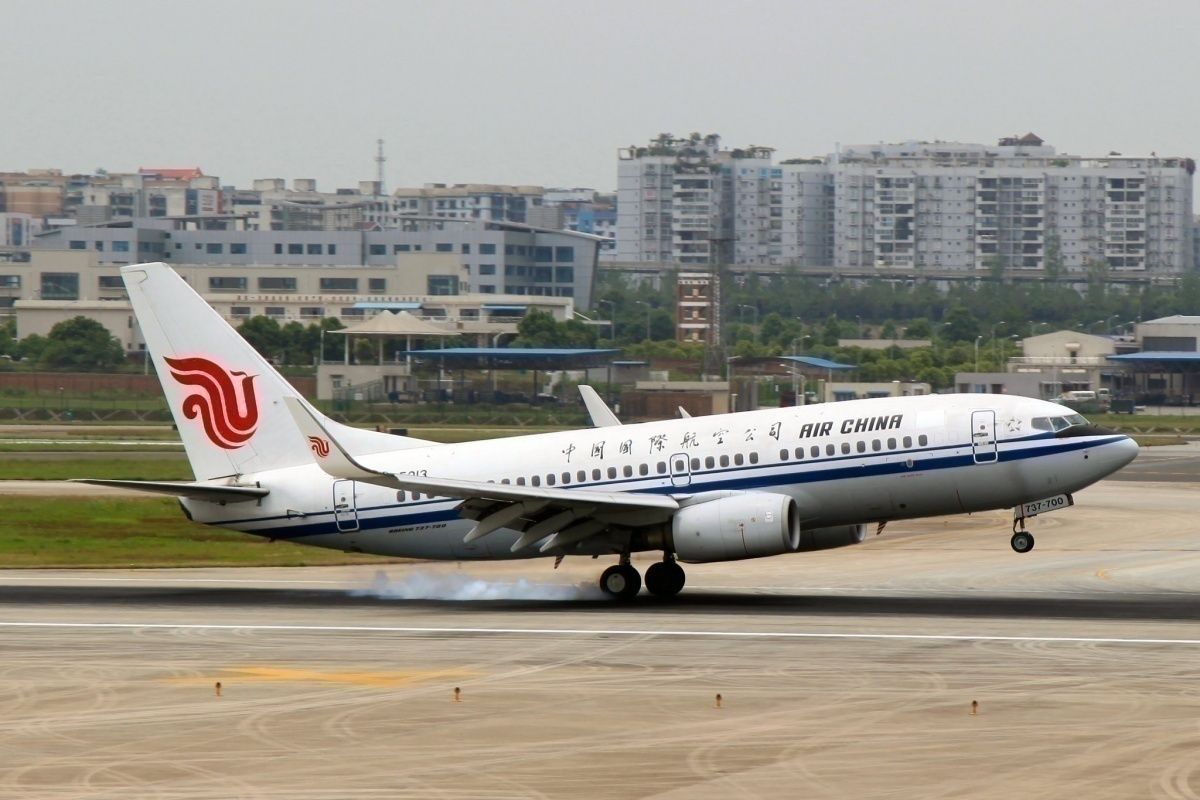
Air China is finally flying to Pyongyang again. If you've been tracking the slow, grinding reopening of North Korean borders, this is the milestone you’ve waited for since 2020. The carrier resumed its direct service between Beijing Capital International Airport and Pyongyang Sunan International Airport, marking a massive shift in how the hermit kingdom interacts with its closest neighbor. This isn't just about a few planes landing on a tarmac. It's the strongest signal yet that the rigid isolation of the last few years is officially cracking.
For travelers, analysts, and anyone with an eye on East Asian logistics, the return of Flight CA121 is a big deal. For years, the only way in or out was through the occasional Air Koryo flight or a rattling train ride. Now, a major international player is back in the mix.
The Logistics of Getting to Pyongyang
Air China typically operates this route with a Boeing 737-800. It’s a short hop—less than two hours in the air—but the paperwork and diplomatic weight behind those two hours are immense. During the height of the global health crisis, North Korea didn't just close its doors; it bolted them. We saw a total halt of movement that crippled the small but consistent flow of Chinese business travelers and curious tourists who kept the Pyongyang economy humming.
The flights usually run on Mondays and Fridays. This schedule suggests a cautious ramp-up. They aren't flooding the gates with daily service yet. They’re testing the waters. If you look at the flight data, these planes aren't always packed to the gills with tourists. Often, they carry diplomats, NGO workers, and trade representatives who’ve been stuck in a weird limbo for years.
Why Air China Matters More Than Air Koryo
You might wonder why a Chinese state-owned carrier matters when North Korea has its own airline, Air Koryo. It comes down to trust and connectivity. Air Koryo is famously... unique. It’s a one-star airline in many rankings, though people who fly it often say the cold noodles and "interesting" cabin music are part of the charm.
Air China brings a level of international standard and, more importantly, a connection to a global network. When Air China flies, it means Beijing is comfortable with the safety protocols and the political climate. It’s a stamp of approval. It also means you can book a ticket through standard international systems rather than navigating the murky world of specialized travel agencies that usually handle North Korean trips.
The Reality of Tourism in North Korea Today
Don't go packing your bags for a weekend getaway just yet. Just because the planes are flying doesn't mean the visa process has become easy. North Korea remains one of the most restrictive places on Earth. You still need to be part of an authorized tour group if you’re a foreigner, and the rules are as strict as ever.
Most travelers hitting this route right now are Chinese nationals. China is North Korea's biggest source of revenue and its primary political lifeline. Before the shutdown, hundreds of thousands of Chinese tourists would cross the border annually. They’d visit the Mansudae Grand Monument, take photos at the Arch of Triumph, and watch the Mass Games. That revenue stream vanished overnight in 2020. Reopening this flight path is a desperate, necessary move for the North Korean treasury.
Common Misconceptions About the Flight Path
People often think you can just hop on a flight from Seoul to Pyongyang. That’s a fantasy. There are no direct flights between the two Koreas. Beijing has always been the primary gateway. If you’re coming from Europe or the Americas, you’re almost certainly transiting through Beijing. This makes Air China the gatekeeper.
Another mistake is assuming these flights are permanent. Historically, Air China has suspended this route whenever political tensions spiked or demand cratered. It’s a "sensitive" route. One bad missile test or a diplomatic spat and the schedule can vanish within hours.
What This Means for Regional Stability
A flying plane is a talking plane. Aviation is a form of soft diplomacy. When pilots and ground crews are communicating across borders, it means there’s a functional relationship.
The resumption of these flights aligns with a broader trend of North Korea slowly re-engaging with the world. We’ve seen freight trains moving across the Yalu River again. We’ve seen Russian delegations visiting with increasing frequency. But the return of a commercial Chinese airline is different. It’s a move toward "normalcy," or at least the North Korean version of it.
Safety and Expectations on the Ground
If you do find yourself on one of these flights, the experience at Sunan International Airport has changed. The airport underwent a major renovation a few years back. It’s sleek, modern, and looks like any other regional hub—until you notice the lack of planes.
Security is tight. Your electronics will be checked. Your books might be scrutinized. But the flight itself is mundane. The service is standard Air China—tea, water, maybe a light snack. It’s the surreal nature of the destination that makes the flight feel heavy.
How to Track These Developments
If you’re a travel junkie or a geopolitical nerd, keep an eye on flight tracking apps like FlightRadar24. Seeing CA121 pop up on the radar is a real-time indicator of the current state of China-DPRK relations.
- Check the flight frequency. If they move to three or four times a week, expect a surge in tour group availability.
- Watch the aircraft type. Upgrading to a wide-body jet would be a massive signal of increased trade or migration.
- Monitor the Air Koryo schedule. If the domestic carrier starts matching Air China’s frequency, the border is truly open.
The Beijing-Pyongyang route is the world’s most interesting flight path right now because it’s a barometer for a country that usually stays off the grid. Air China is back, and that means the doors are finally, if slowly, swinging open.
If you're planning a trip, start by contacting a specialized agency like Koryo Tours or Young Pioneer Tours. They have the most up-to-date info on visa requirements and whether these newly resumed flights are open to Western passport holders. Check your local government travel advisories daily, as the situation in the peninsula can flip in an afternoon. Get your documents in order months in advance because "rushed" isn't a word that exists in the North Korean bureaucracy.


