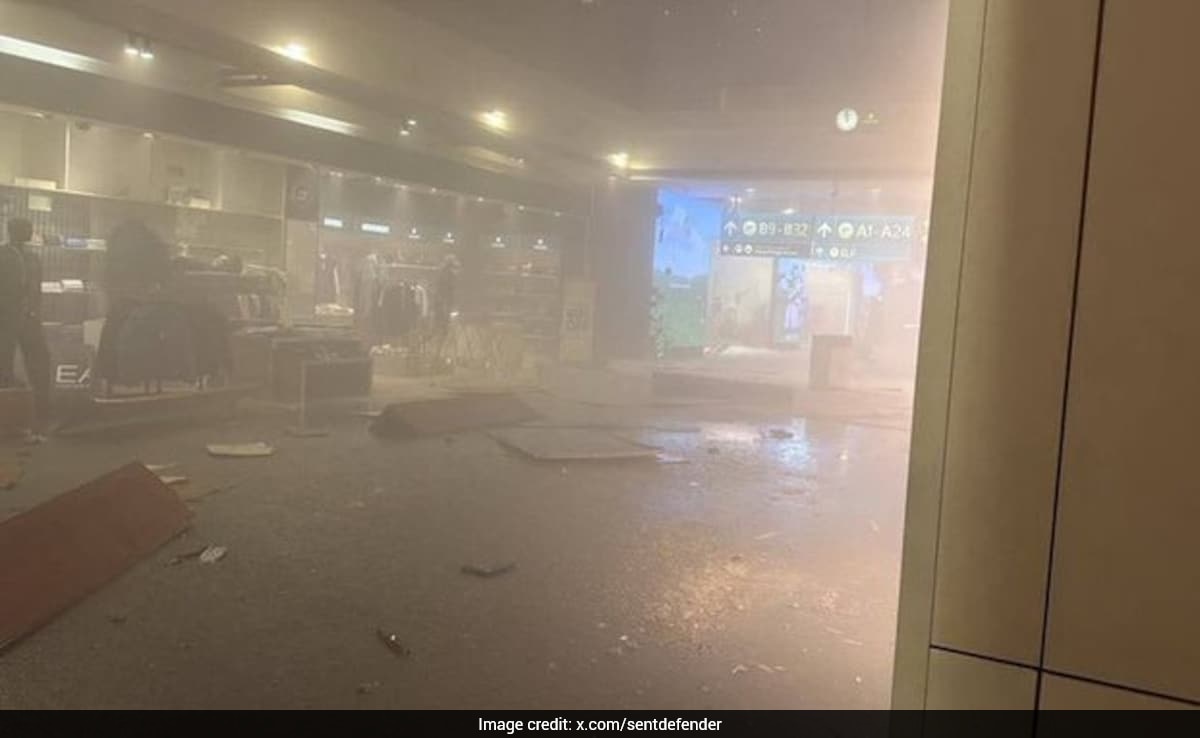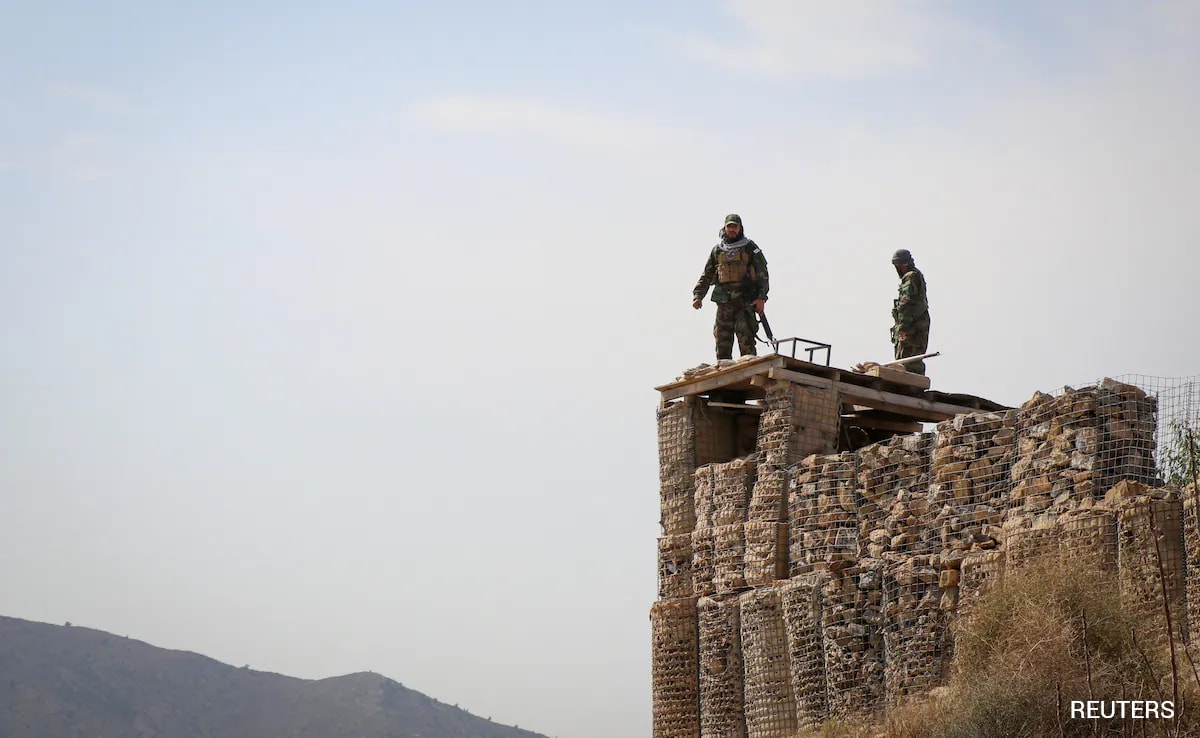
The reports out of Kabul describe a scene of chaos that has become hauntingly familiar. On the morning of March 1, 2026, the silence of the capital was shattered by the distinct roar of heavy caliber anti-aircraft fire followed by several low-frequency explosions near the outskirts of the city. While the initial fog of war suggested a localized terrorist incursion, the reality is far more dangerous. Afghan security forces under the Taliban administration have engaged Pakistani military aircraft, marking a significant escalation in a border dispute that is rapidly outgrowing the diplomatic capacity of its neighbors.
This is not a simple misunderstanding between border guards. It is the manifestation of years of simmering resentment regarding the Durand Line and the Taliban's refusal to act as a subservient proxy for Islamabad.
The Breach of Sovereignty
Eyewitnesses in the eastern districts of Kabul reported seeing at least two Pakistani jets or high-altitude drones operating within Afghan airspace. The Taliban’s Ministry of Defense quickly claimed responsibility for the fire, stating that they had "successfully repelled an intrusion into our sacred territory." While Islamabad has remained characteristically tight-lipped, local sources within the Pakistani military suggest these sorties were "pre-emptive" strikes aimed at Tehrik-i-Taliban Pakistan (TTP) hideouts.
The TTP remains the friction point. Islamabad expects the Afghan Taliban to move against their Pakistani counterparts; instead, the Afghan Taliban views the TTP as ideological brothers-in-arms. This misalignment has turned a decades-long alliance into a volatile rivalry. When the Taliban fired on those aircraft, they weren't just defending their sky. They were sending a message that the era of Pakistani influence over Afghan security policy is dead.
The Mechanics of the Skirmish
The engagement appears to have involved Soviet-era ZU-23-2 anti-aircraft guns and possibly shoulder-fired Man-Portable Air Defense Systems (MANPADS). It is a rudimentary defense against modern aviation, yet it carries immense political weight. By engaging these targets over the capital—not just the porous border regions—the Taliban are signaling a shift in their defensive posture.
The explosions heard on the ground were likely a combination of these anti-aircraft rounds self-destructing and the kinetic impact of ordnance dropped by the retreating aircraft. Preliminary reports indicate civilian casualties in the residential sectors bordering the military installations, though the Taliban-led government is currently restricting access to the blast sites.
Why the Old Alliance Collapsed
For years, the Pakistani intelligence apparatus viewed a Taliban-led Afghanistan as a strategic win. They anticipated "strategic depth" against India. They were wrong. The Taliban, once in power, prioritized their own domestic legitimacy and Pashtun nationalist identity over the needs of their former benefactors.
The Durand Line remains the core of the issue. Kabul does not recognize this colonial-era border, and the Taliban have continued the tradition of their predecessors by physically obstructing the fencing projects Islamabad views as essential for national security. This isn't just about dirt and wire. It's about the fundamental definition of the state.
- Ideological Divergence: The Afghan Taliban cannot crack down on the TTP without risking a revolt within their own ranks.
- Economic Desperation: Kabul is looking for trade routes through Central Asia that bypass Karachi, reducing Pakistan's leverage.
- Internal Pressures: Hardline elements within the Taliban leadership are pushing for a more confrontational stance to prove they aren't "puppets" of any foreign power.
The Tactical Miscalculation
Islamabad is playing a dangerous game of "hot pursuit." By launching airstrikes or drone incursions, they hope to pressure the Taliban into compliance. However, these actions only serve to unify the various Afghan factions under a banner of national defense.
The weaponry used in this recent skirmish is notable. While the Taliban lack a modern air force, they have inherited a massive stockpile of hardware. If they begin to successfully down Pakistani assets, the internal political pressure on the Pakistani government to launch a full-scale "punitive expedition" will become nearly irresistible.
Global Ripples
Washington and Beijing are watching this development with varying degrees of alarm. For China, the stability of the region is essential for the security of the China-Pakistan Economic Corridor (CPEC). An open conflict between Kabul and Islamabad would jeopardize billions in infrastructure investments. For the United States, any conflict that allows groups like Al-Qaeda or ISIS-K to exploit the vacuum is a nightmare scenario.
Yet, neither power has the influence they once did. The Taliban have proven remarkably resistant to economic sanctions, and Pakistan is currently navigating a period of intense internal political and economic volatility. We are looking at two nuclear-adjacent powers (one with the bomb, the other with the legacy of a multi-decade insurgency) staring each other down over a border that neither can fully control.
The Civilian Cost
While the generals and ministries trade barbs, the people of Kabul and the border provinces are the ones bearing the brunt. The sound of anti-aircraft fire in the city creates a psychological trauma that years of "peace" have not erased. Shops close. The value of the Afghani drops. The fragile supply lines that bring food and medicine from the Torkham crossing are severed.
If this escalates into a sustained air campaign, the humanitarian crisis will dwarf anything seen in the last five years. The international community has largely moved on to other theaters of conflict, leaving the people of the Hindu Kush to navigate a new war between former allies.
The Path Forward
There is no easy de-escalation here. Pakistan cannot afford to let the TTP operate with impunity, and the Taliban cannot afford to betray their ideological base. The most likely scenario is a continued series of "tit-for-tat" border skirmishes that occasionally spill over into the major cities.
Wait for the official statements from the upcoming regional summit in Tashkent. If the rhetoric doesn't soften, the next set of explosions in Kabul won't be from anti-aircraft fire—they'll be the sound of a full-scale border war. You should keep a close eye on the movement of the Pakistani 11th Corps toward the frontier; their deployment will be the final indicator that the diplomats have failed.