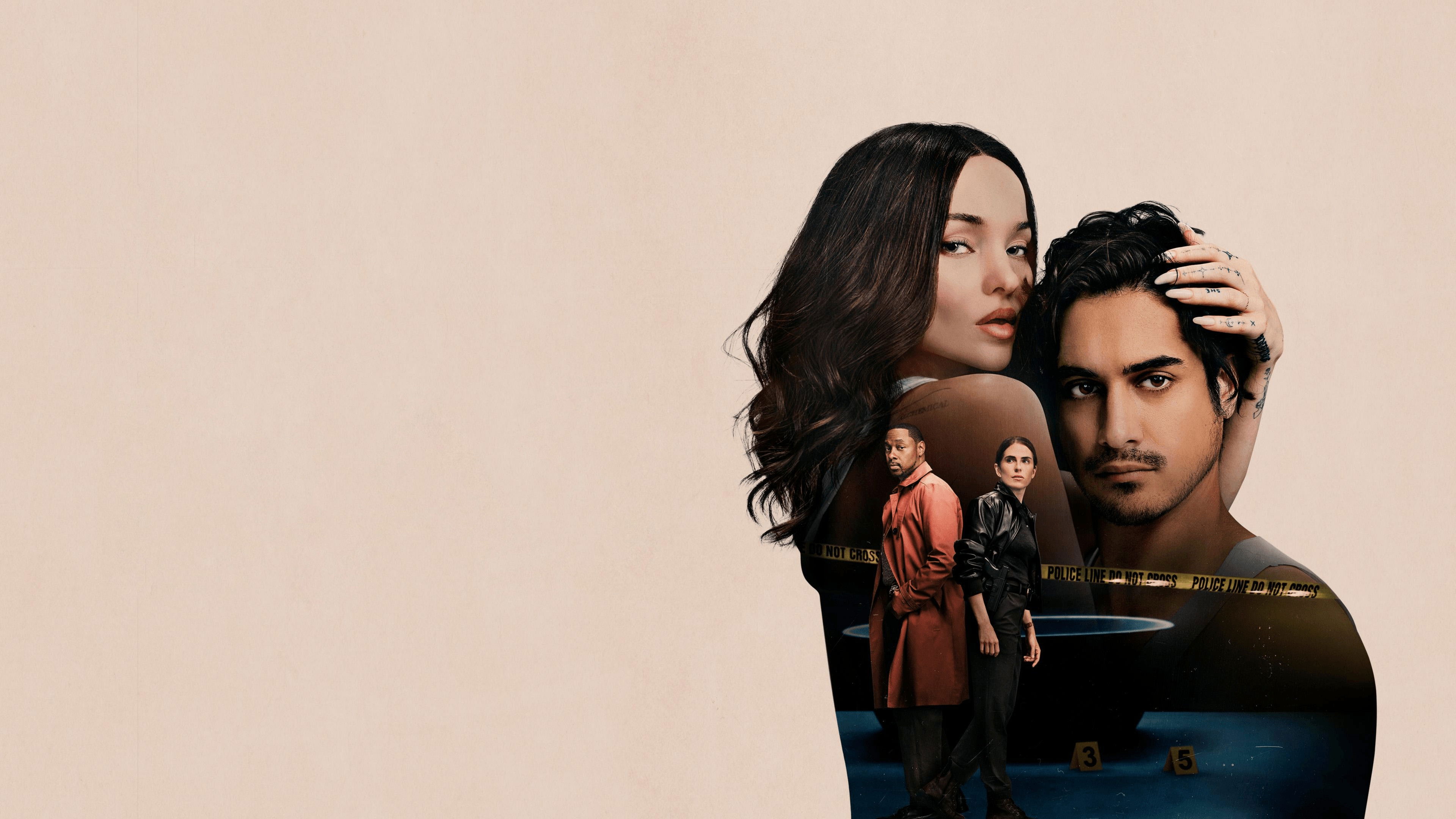
Catherine Ryan Howard’s 56 Days hit the shelves when the world was still scrubbing grocery bags with disinfectant. It was the first "big" pandemic thriller that actually tried to bottle the claustrophobia of March 2020. Most readers picked it up for the hook. Two strangers meet in a supermarket right as Ireland shuts down, and they decide to move in together to bypass the restrictions. It sounds like a rom-com until you find a decomposing body in the apartment 56 days later.
But here is the thing. The "thriller" part of this book—the secret identities and the looming sense of dread—is actually the weakest link. If you’re looking for a pulse-pounding chase or a psychological breakdown, you might find yourself checking your watch. Where this story actually sings is in the grit of the investigation. It is the detectives, DI Leah Driscoll and her team, who keep the narrative from sinking into a repetitive loop of sourdough starters and awkward small talk.
The Problem With Lockdown as a Plot Device
Writing a thriller set during a global standstill is a massive gamble. Thrillers usually require movement. They need characters jumping into cars, meeting shifty contacts in bars, or running through dark alleys. When your characters are legally obligated to stay within a two-kilometer radius of their front door, the tension has to be internal.
Howard tries to build this tension through Ciara and Oliver. We know from the jump that one of them ends up dead. We know there’s a secret. However, the middle stretch of the book leans so heavily into the "new normal" of 2020 that the mystery loses its edge. You spend a lot of time watching two people try to figure out if they actually like each other while the world ends outside. It feels less like Gone Girl and more like a very dark episode of Normal People.
The pacing suffers because the "thriller" elements are drip-fed through flashbacks that sometimes feel like they're stalling for time. You’re waiting for the shoe to drop, but the shoe is stuck in a delivery delay.
How the Detectives Save the Day
While Ciara and Oliver are navigating their high-stakes domesticity, the real heavy lifting happens in the "present day" timeline with the Gardaí. DI Leah Driscoll is the standout here. She isn't a cliché brooding detective with a drinking problem and a failed marriage. She’s a professional trying to solve a murder when the entire world is falling apart.
The procedural elements provide the friction that the lockdown romance lacks.
- The Logistics of Death: How do you process a crime scene when you’re terrified of catching a virus from the victim?
- The Digital Trail: Since nobody is out on the streets, the detectives have to rely on CCTV, key fobs, and digital footprints.
- The Ghost Town Factor: The descriptions of a deserted Dublin are haunting. It adds a layer of atmospheric horror that the actual plot twists don’t quite reach.
Driscoll’s perspective provides the objective lens we need. Without her, the book would just be two unreliable narrators trapped in a flat. She brings the stakes. She reminds us that while these two were playing house, a genuine crime was unfolding. The procedural scenes are snappy, cynical, and grounded in a way the central romance isn't.
The Twist Nobody Saw Coming
Without spoiling the specifics for those who haven't finished it, 56 Days relies on a structural gimmick involving time. Howard is clever. She knows how to manipulate a timeline to make you think you’re seeing one thing when you’re actually seeing another.
The issue is that once you figure out the "how" of the timeline, the "why" feels a bit thin. The motivation for the central conflict feels slightly mismatched with the sheer scale of the global backdrop. It is hard to care about a personal vendetta when millions of people are dying of a respiratory illness in the background. It makes the villain’s goals feel small.
Still, the way the detectives piece the puzzle together is satisfying. It's a testament to Howard’s skill that she manages to make bureaucratic police work feel more exciting than a secret identity reveal.
Why We Are Still Reading Pandemic Fiction
You might wonder why anyone would want to revisit the anxiety of 2020. We lived it. We don't necessarily want to read about the "Stay Home" orders and the daily death tolls again.
56 Days works because it uses that anxiety as a pressure cooker. It takes the universal experience of isolation and turns it into a weapon. Even if the thriller aspects occasionally falter, the book captures a very specific moment in human history. It reminds us how easy it was to disappear when everyone was looking the other way.
If you’re going to dive into this one, don't go in expecting a high-octane slasher. Go in for the character study of the investigators. Look at how the Gardaí handle a world that stopped making sense. That’s where the real story lives.
What to Read After 56 Days
If you enjoyed the procedural side of Howard's work but wanted more teeth in the mystery, you should look at her earlier book, The Nothing Man. It plays with structure in a similar way but keeps the tension much higher. If you're specifically looking for Irish crime that nails the setting, Tana French remains the gold standard. Her Dublin Murder Squad series offers that same blend of atmospheric dread and meticulous police work without the constraints of a lockdown setting.
Stop looking for the "big twist" and start paying attention to the way the detectives navigate the silence of the city. The procedural backbone is what makes this book worth the shelf space. Grab a copy if you want a time capsule of 2020, but keep your expectations for the "thriller" side tempered. Focus on the boots on the ground.


