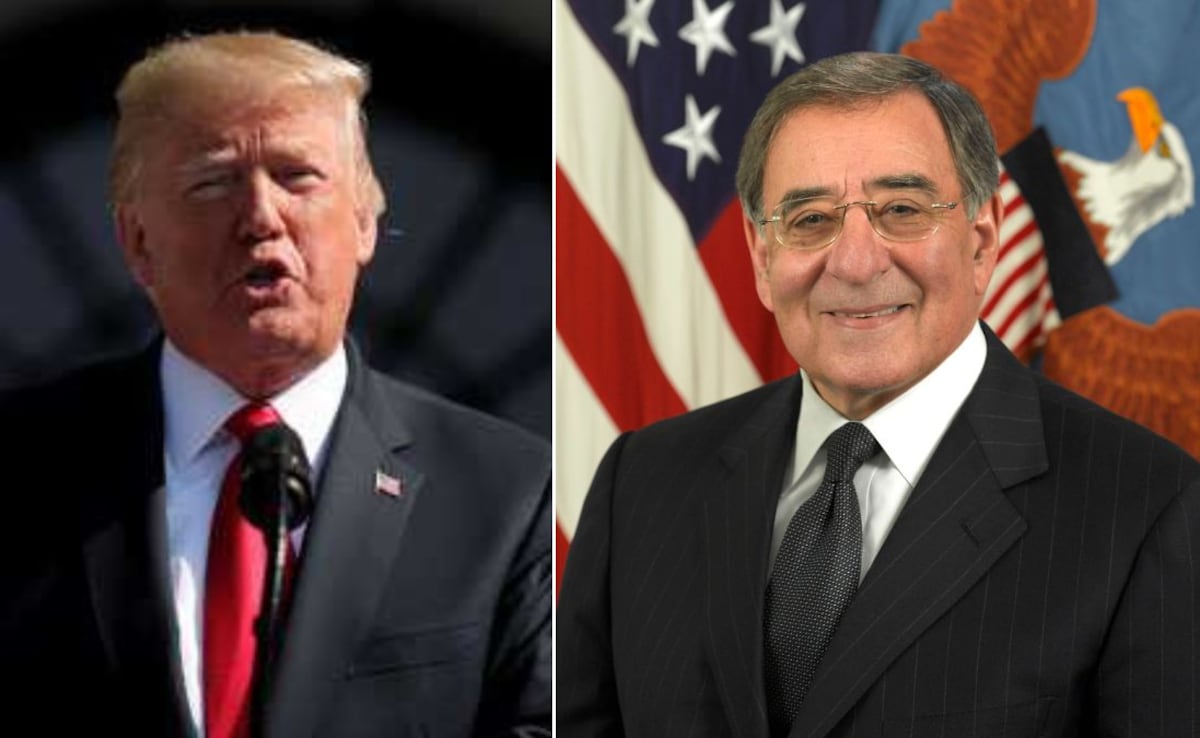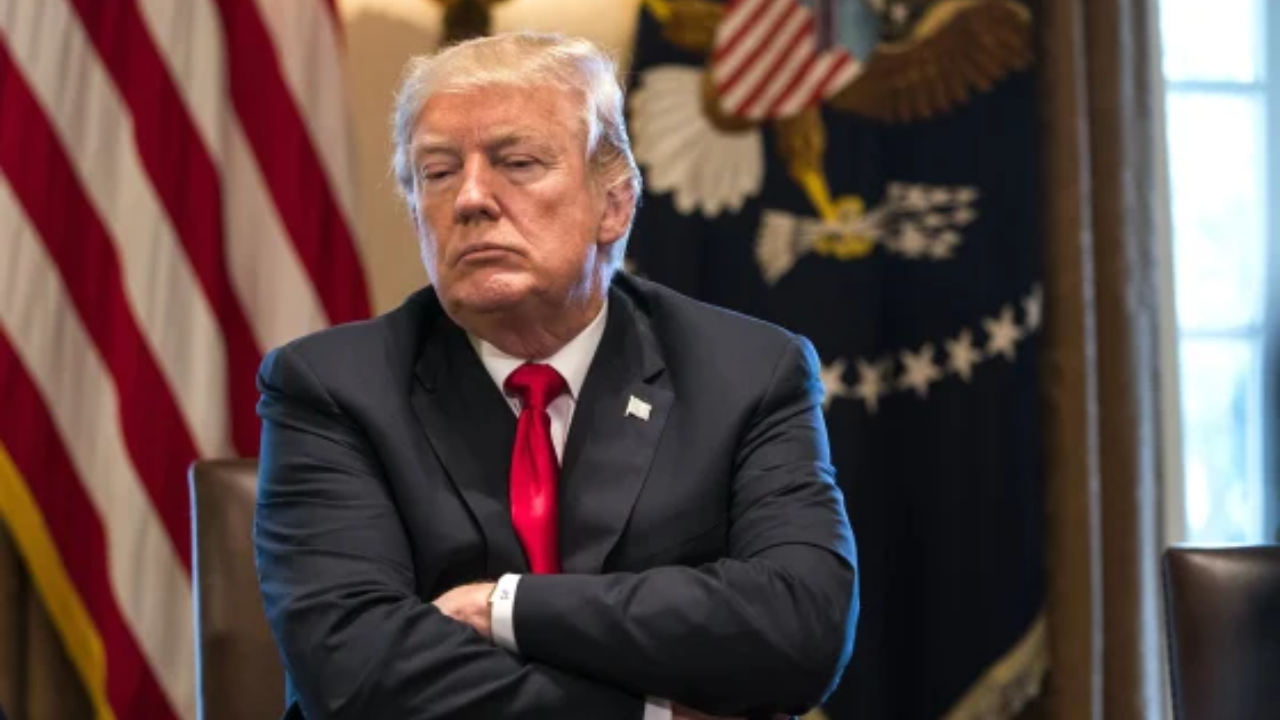
The chattering class is at it again, dusting off the same tired scripts about "red faces" and "diplomatic blunders." They see a 48-hour ultimatum issued by Donald Trump and immediately start measuring the distance to the nearest exit. They claim he’s backed himself into a corner. They argue that if Iran doesn't blink by the second the clock hits zero, the American presidency is somehow diminished.
They are fundamentally misreading the board.
In the world of high-stakes geopolitical leverage, an ultimatum isn't a promise to start a war; it is a tool to collapse the opponent’s decision-making timeline. The "lazy consensus" suggests that diplomacy requires infinite patience and "strategic ambiguity." That is the language of people who have never closed a deal under pressure. When you give a hardline regime like the one in Tehran a month to respond, you give them thirty days to lobby the EU, move their assets, and bribe their proxies. When you give them 48 hours, you force their internal factions to fight each other in real-time.
The Myth of the Credibility Trap
The most common critique of the 48-hour window is the "credibility trap." Pundits love this one. They argue that if Trump doesn't drop a MOAB on a nuclear facility at hour 49, he loses his "tough guy" status.
This is amateur-hour analysis.
Credibility in international relations isn't a binary switch. It’s a spectrum of unpredictability. I’ve watched negotiators in private equity use these exact "artificial" deadlines to smoke out the real decision-makers. The goal isn't necessarily to execute the threat; it's to force the other side to reveal their hand. If Iran stays silent, they look paralyzed. If they lash out, they justify a massive response. If they come to the table, you’ve won without firing a shot.
The mainstream media focuses on the "red face" scenario because they crave the spectacle of failure. They don't understand that for a disruptor, the "face" doesn't matter. Only the result does.
Why Speed is the Only Variable That Matters
Most diplomatic efforts fail because they are too slow. They allow for the "tapestry" (to use a word the bureaucrats love) of international opinion to soften the blow. By shortening the window to two days, the administration bypasses the bureaucratic sludge of the UN and the hand-wringing of Middle Eastern intermediaries.
Consider the mechanics of the Iranian regime. It is not a monolith. You have the IRGC, the clerical elite, and the pragmatists. Usually, they spend weeks building a unified front. A 48-hour ultimatum creates a "pressure cooker" effect.
- Information Overload: Intelligence agencies have to scramble.
- Resource Misallocation: They start moving high-value targets, which reveals their location to US surveillance.
- Internal Friction: The pragmatists start whispering about the cost of a strike, while the hardliners demand a counter-threat.
This isn't a "failure" of diplomacy. It is the weaponization of time.
The "Broken Clock" Fallacy
Critics point to past ultimatums that didn't lead to immediate kinetic action as proof of weakness. They call it "crying wolf."
I call it "Market Calibration."
Imagine a scenario where a CEO threatens to fire an entire department if they don't hit a 48-hour deadline. If he doesn't fire them at the 49th hour, the department doesn't suddenly think he's a pushover. They live in a state of permanent, low-grade terror because they know he could have done it, and might still do it tomorrow.
In the Iran context, the ultimatum keeps the "risk premium" on Iranian oil and shipping at a permanent high. It bleeds their economy through uncertainty alone. You don't need to drop bombs when you can drop the value of their currency just by tweeting a countdown.
Stop Asking if He'll Follow Through
The question "Will he actually do it?" is the wrong question. It assumes the goal is the act itself.
The right question is: "How much did Iran have to pay to ensure he didn't do it?"
We rarely see the side-channel concessions that happen in that 48-hour window. We don't see the panicked calls from Swiss diplomats or the sudden freezing of proxy movements in Iraq. The ultimatum is the "opening bid" in a game of chicken where the US owns the faster car and a bigger gas tank.
The Cost of Being "Reasonable"
For decades, the US foreign policy establishment has been obsessed with being "the adult in the room." This "reasonableness" led to the JCPOA—a deal that Iran treated as a suggestion while they expanded their regional influence. Being reasonable is expensive. It requires constant maintenance, subsidies, and apologies.
Being "unreasonable" is cheap.
It costs the US taxpayer zero dollars to issue a 48-hour ultimatum. It costs Iran billions in diverted resources, lost sleep, and internal instability. The "red face" risk is a tiny price to pay for the massive psychological leverage gained.
The Reality of Modern Deterrence
Deterrence isn't about being predictable. If your enemy knows exactly what you will do, they can price that into their strategy. If they think you're "crazy" enough to blow up a port over a minor provocation, they have to over-prepare for every possible outcome.
I’ve seen this play out in hostile takeovers. The guy who looks like he might walk away from the table at any second always gets the better price. The guy who is "committed to the process" gets taken to the cleaners.
Iran is a sophisticated actor, but they are playing a 20th-century game of slow-burn attrition. The current administration is playing a 21st-century game of high-frequency volatility.
The Ultimate Counter-Intuitive Truth
The 48-hour ultimatum is actually a de-escalation tool.
By setting a sharp, immediate deadline, you prevent the slow "mission creep" that leads to 20-year wars. You either get a result now, or you move on to the next lever. It prevents the US from getting bogged down in "the process."
The pundits want a process because a process needs analysts. A process needs talking heads. A process needs endless "looking ahead" segments.
A 48-hour window needs none of that. It only needs a decision.
If you’re waiting for the "red face" moment, you’ve already lost the plot. The goal wasn't to look good for the cameras. The goal was to make the guys in Tehran look at their watches and realize they're out of time.
Stop looking for the explosion. Look at the paralysis. That is where the power lies.
The ultimatum didn't fail. It worked the moment it was issued.
Build a bunker or build a bridge; just stop pretending that "patience" is a strategy.