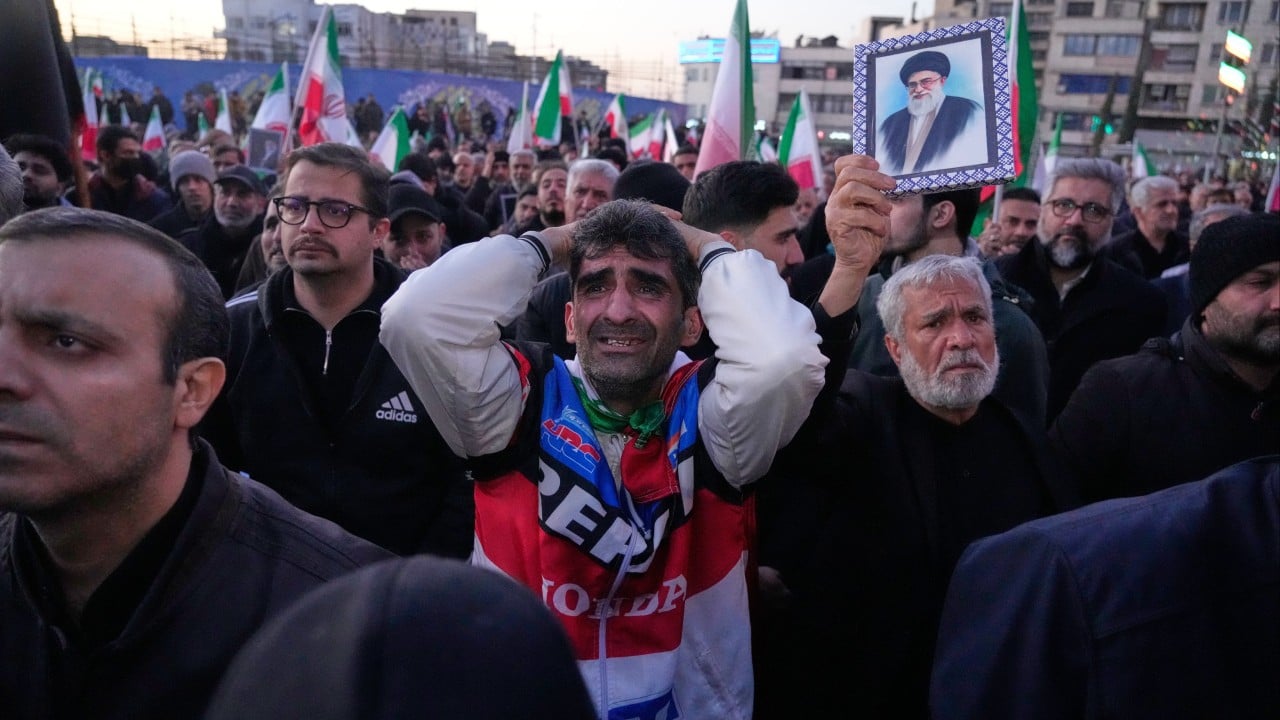
Iran has officially entered a 40-day period of public mourning following the death of Supreme Leader Ayatollah Ali Khamenei. This isn't just a funeral. It’s a massive, state-mandated pause designed to consolidate power during a period of extreme vulnerability. When a figure who has ruled with an absolute hand for over three decades vanishes, the vacuum left behind is more than just political. It's structural.
The Iranian government announced this extended mourning period to signal stability. They want the world to see a nation united in grief rather than a regime scrambling for a successor. You'll see black flags across Tehran and hear constant recitations from the Quran on state media. But behind the scenes, the Assembly of Experts is facing its most significant challenge since 1989.
The logic behind 40 days of grief
In Shia Islam, the 40th day after a death, known as Arbaeen, holds immense spiritual weight. It marks the end of the primary mourning cycle. By stretching the official state response to this specific length, the Iranian leadership is leaning on centuries of religious tradition to justify a slow transition. They need time. They need to ensure that the Islamic Revolutionary Guard Corps (IRGC) and the clerical establishment are on the same page before a new leader is introduced.
Most people think this is just about tradition. It's not. It's about security. A 40-day window allows the state to tighten its grip on internal dissent. It provides a legal and social framework to restrict large gatherings that aren't state-sanctioned. If you're on the streets during this time, you're either mourning or you're a target.
Who actually fills the void
The question of who follows Khamenei has been the subject of intense speculation for years. With his death, the theoretical becomes reality. We aren't just looking at a name change. We're looking at a potential shift in how Iran interacts with the West and its neighbors.
The Assembly of Experts, a body of 88 clerics, is technically responsible for choosing the next Supreme Leader. However, everyone knows the IRGC holds the real keys to the kingdom. They won't let someone take the seat who threatens their economic interests or their military shadow-state.
Historically, names like Mojtaba Khamenei, the late leader's son, have circulated. But dynastic rule is a sensitive subject in a country that overthrew a Monarchy in 1979. Then there's the clerical elite. They want someone who maintains the religious legitimacy of the Office of the Jurist. If the transition isn't smooth, the friction between the "men of the gun" and the "men of the turban" could spill into the open.
Impact on regional proxy wars
Iran’s influence stretches far beyond its borders. From Hezbollah in Lebanon to the Houthis in Yemen, the "Axis of Resistance" relies on the direct authority and religious backing of the Supreme Leader. Khamenei wasn't just a politician; he was the Commander-in-Chief and the ultimate spiritual guide for millions of militants.
During these 40 days, expect a temporary tactical freeze. Groups like Hezbollah are likely to avoid major escalations while the center of their power is in flux. They need to know if the next leader will maintain the same level of funding and logistical support. If the new leader decides to pivot inward to deal with domestic unrest, the regional balance of power shifts instantly.
Israel and Saudi Arabia are watching this closer than anyone. For them, a period of mourning is a period of unpredictability. Uncertainty in Tehran often leads to aggressive posturing as a way to project strength. Don't be surprised if the rhetoric from the interim leadership becomes sharper and more bellicose over the coming weeks.
Economic paralysis during mourning
Iran's economy is already bucking under the weight of sanctions and inflation. A 40-day mourning period effectively puts a damper on an already struggling private sector. State-run businesses will prioritize ceremonies over productivity. International trade, what little is left of it, will likely face delays as the bureaucracy shifts its focus toward the transition of power.
Ordinary Iranians are the ones who feel this most. While the state focuses on the legacy of a fallen leader, the price of bread and fuel doesn't stop rising. There's a palpable tension between the mandatory displays of sorrow and the private frustrations of a population that has endured years of economic hardship.
What happens when the 40 days end
The real test begins on day 41. That's when the "shield of grief" is lowered. The government will have to present a clear path forward or risk a total loss of confidence. If the Assembly of Experts hasn't reached a consensus by then, the cracks in the regime will become impossible to hide.
Keep a close eye on the IRGC's public statements. They are the ultimate kingmakers. If they start taking a more prominent role in civilian administration during these 40 days, it's a clear sign that the next Supreme Leader might be more of a figurehead for a military junta.
You should monitor the official announcements from the state news agency, IRNA, but read between the lines. Look for who is standing closest to the coffin during the televised ceremonies. In the world of Iranian politics, proximity is power. The people appearing most frequently on camera right now are the ones auditioning for the future of the Islamic Republic. Watch the funeral processions in Qom and Tehran. The size and fervor of these crowds are often managed, but they still provide a glimpse into the state's ability to mobilize its base. If the turnout is lower than expected, it signals a deeper legitimacy crisis that no amount of mourning can fix.