Donald Trump claims he is talking to a "top person" in Tehran. He has paused a massive planned strike on Iran's power grid for five days, citing "very good and productive" conversations aimed at a total resolution of hostilities. But the view from Tehran is a mirror image of this optimism. Mohammad Bagher Ghalibaf, the Iranian Parliament Speaker and the man rumored to be on the other end of the line, has publicly dismissed the claims as "fake news" designed to manipulate global oil markets. This is not just a disagreement over a phone call; it is a fundamental collision between a president who believes everything is a transaction and a revolutionary regime that believes it is fighting for its life.
The current conflict, which exploded on February 28, 2026, has already moved past the limited direct exchanges of late 2024. This is a high-intensity war. With the reported death of the former Supreme Leader Ali Khamenei in the opening hours of the joint U.S.-Israeli operation, the Islamic Republic is operating under a new, more volatile leadership. The strategy from the White House appears to be a mix of maximum military pressure and psychological warfare, using the ambiguity of "secret talks" to sow internal suspicion within a fractured Iranian command. In similar news, read about: The Sabotage of the Sultans.
The Strategy of Forced Ambiguity
Why would a president announce a secret negotiation to the world? In the logic of traditional diplomacy, you keep a channel quiet to allow both sides to make concessions without losing face. By shouting it from the rooftops, Trump is likely pursuing a different goal. He is weaponizing suspicion. If the IRGC leadership believes Ghalibaf or another "pragmatist" is cutting a deal behind their backs, the internal cohesion of the Iranian state begins to fray.
Iran’s response has been to double down on the rhetoric of resistance. They cannot afford to look weak while their infrastructure is being dismantled. The closure of the Strait of Hormuz remains their most potent weapon, and they have used it to send oil prices into a vertical climb. For Tehran, admitting to negotiations under the current "Operation Epic Fury" would be seen as an unconditional surrender. They are demanding "regret-inducing punishment" for the strikes, not a seat at a table in Mar-a-Lago. The New York Times has also covered this fascinating topic in great detail.
The Dimona Precedent and the New Deterrence
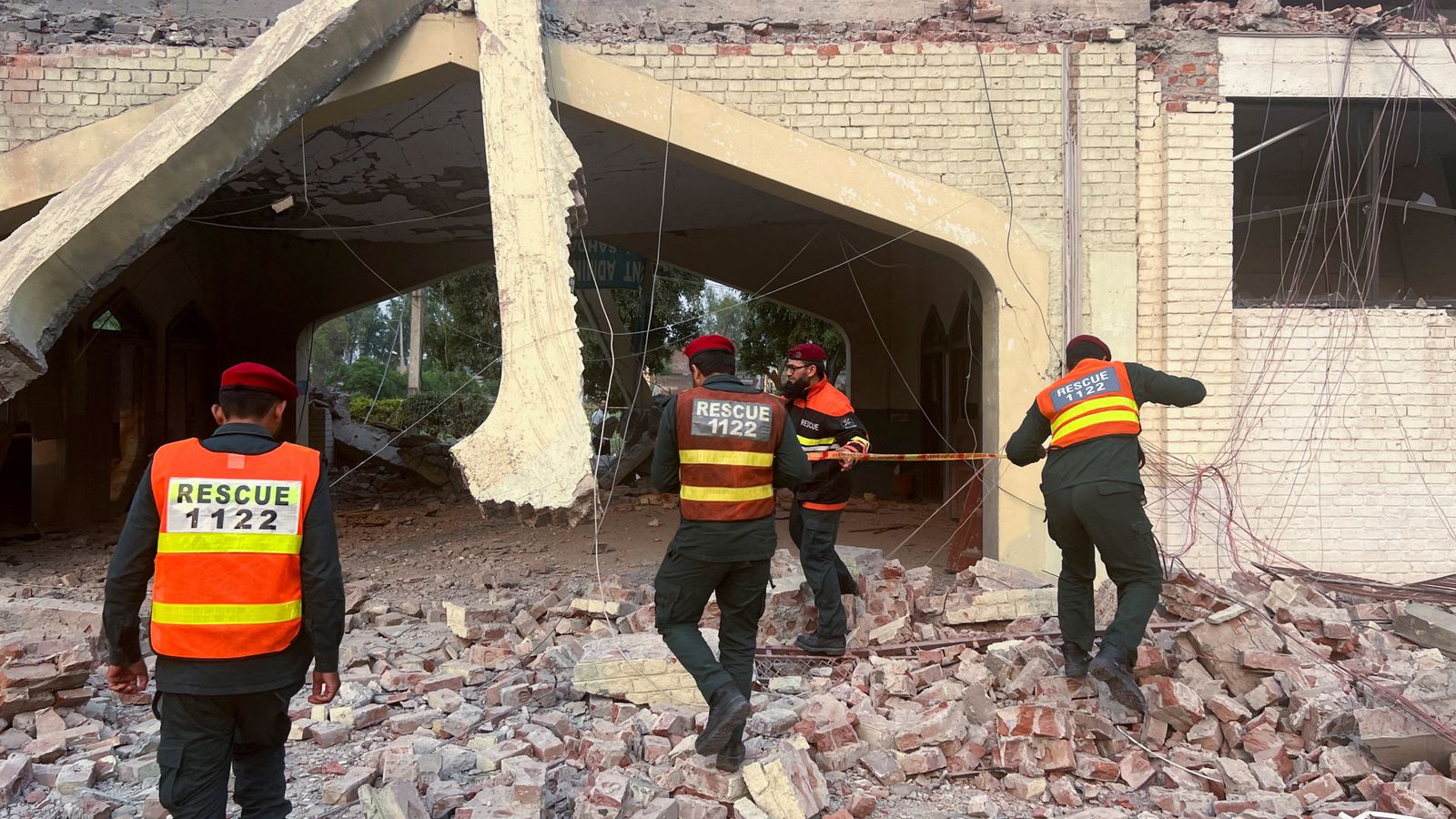
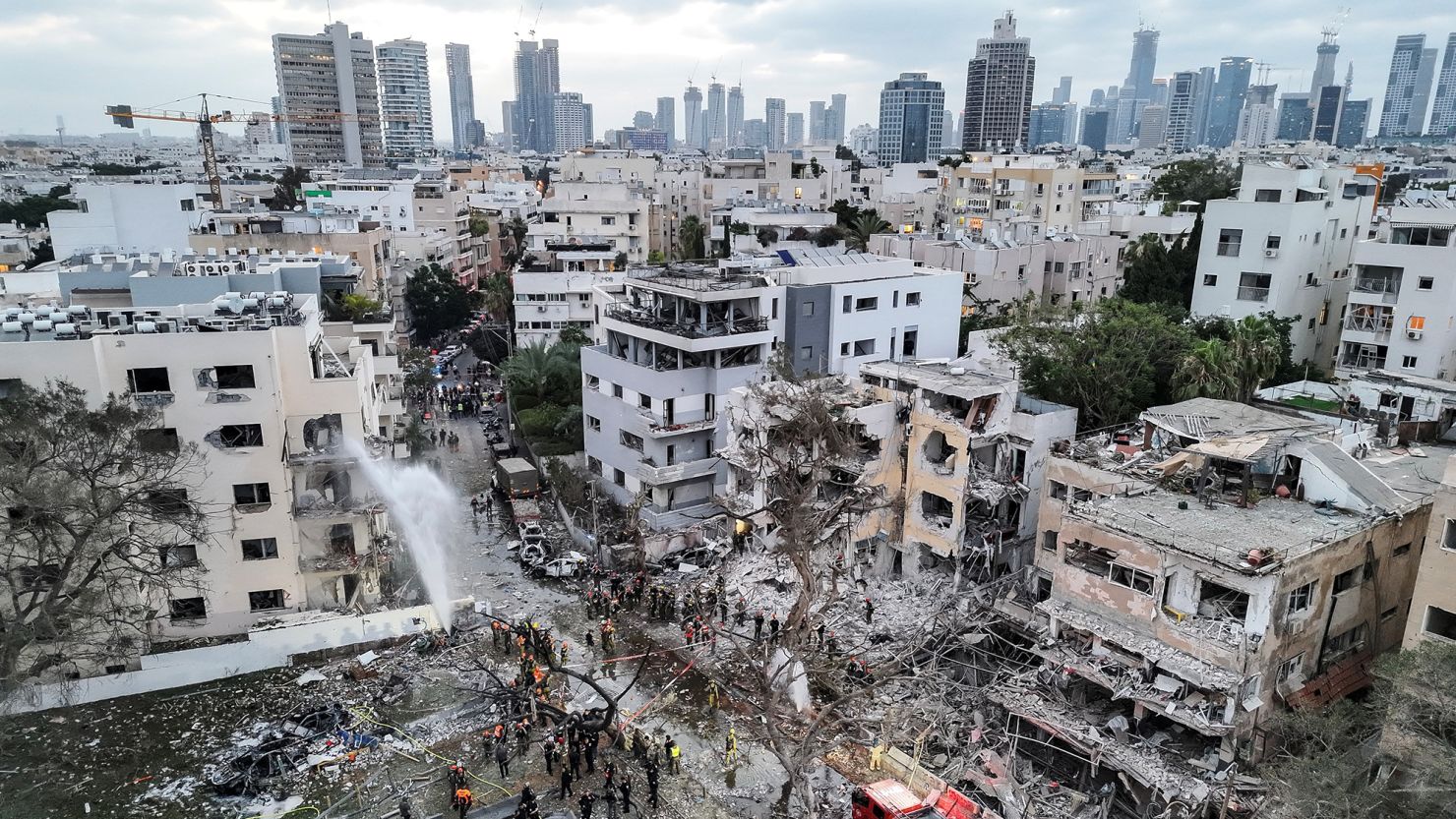
The military reality on the ground has shifted the leverage. In 2024, Iranian missile salvos were largely intercepted, causing minimal damage. That changed in the recent weeks of 2026. Iranian strikes have hit sensitive areas near Dimona and Arad, piercing the most heavily defended airspace in the world. This is the "why" behind the U.S. threat to strike the Iranian power grid. Washington is looking for a target that hurts the regime’s control over its own population without requiring a full-scale ground invasion.
The five-day pause is a high-stakes gamble. If no deal emerges, the escalation toward the Iranian energy sector will likely trigger a symmetrical response against Gulf energy infrastructure. We are no longer in a world of "mowing the grass." This is an attempt to uproot the entire garden.
A Ghost at the Negotiating Table
The most surreal element of the current crisis is the status of the Iranian leadership. Trump has openly questioned if the Supreme Leader is even alive, while simultaneously claiming to be making progress with a "top person." This creates a vacuum of authority. In previous years, the word of the Supreme Leader was final. Today, with Mojtaba Khamenei reportedly stepping into the role amidst a fog of war, it is unclear who has the mandate to actually sign a "total resolution."
The Iranian Foreign Ministry has hinted at "initiatives to reduce tensions" via Omani intermediaries, which suggests that some communication is happening. However, there is a vast gulf between a message passed through a third party and the "very strong talks" Trump is describing. The Iranians see these claims as a tactic to stabilize oil prices and buy time for the U.S. and Israel to refit their strike packages.
The Economic Quagmire
For the average person, this isn't about the "Axis of Resistance" or "Maximum Pressure 2.0." It is about the price of a gallon of gas and the stability of the global economy. The closure of the Strait of Hormuz has created the largest supply disruption since the 1970s. By claiming that a deal is close, the White House can temporarily cool the markets.
If the five-day window passes without a breakthrough, the market correction will be brutal.
- Oil Volatility: Prices have dipped on the news of the pause but remain on a hair-trigger.
- Aviation and Trade: The effective closure of regional corridors has rerouted global logistics, adding massive costs to every sector.
- Regional Fallout: Allies like Bahrain and Jordan are increasingly caught in the crossfire, with sirens becoming a daily reality.
The war is costing the United States an estimated $18 billion as of late March, with the Pentagon already asking for hundreds of billions more. This is not a "surgical" operation anymore. It is a regional conflagration that is testing the limits of American power and Iranian resilience.
The Deadlock of Credibility
The fundamental problem is that neither side trusts the other’s version of reality. To the U.S. administration, the strikes are a necessary pre-emption of a nuclear-capable Iran. To the Iranian regime, the strikes are an illegal act of aggression against a sovereign state. When Trump says "they called me," and Ghalibaf says "it's fake news," they aren't just lying to the public; they are operating in two different strategic universes.
If there is a "top person" talking to Washington, they are doing so at extreme personal risk. In the current climate in Tehran, being labeled a "negotiator" is often a death sentence. The IRGC has already described the talk of diplomacy as a "worn-out psychological operation." They are preparing for the next wave of strikes, not a signing ceremony.
The next few days will determine if this pause was a genuine opening or merely the eye of the storm. If the missiles start flying again on Saturday, we will know that the "secret channel" was either a mirage or a bridge to nowhere. The reality of 2026 is that the era of managed conflict is over. We are now witnessing a raw struggle for regional primacy where the winner takes all and the loser loses everything.
Watch the oil tickers and the flight paths over the Persian Gulf. They will tell you more about the "productive talks" than any press release ever could.