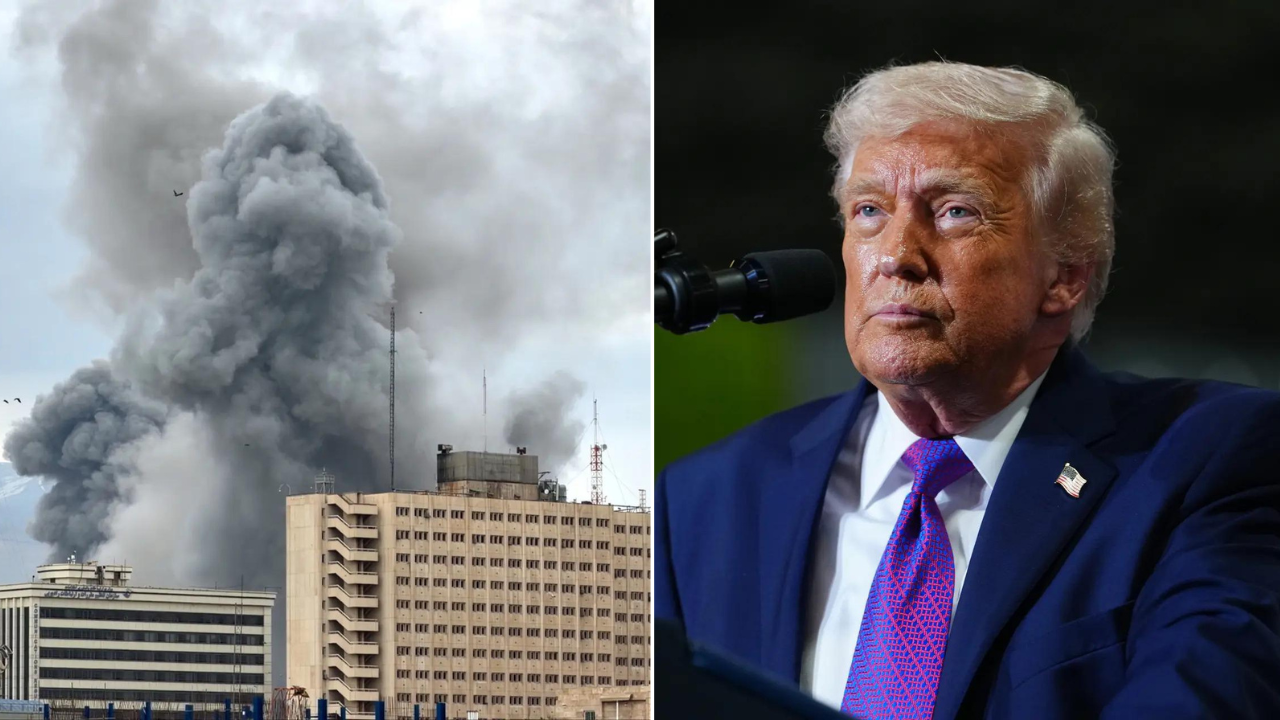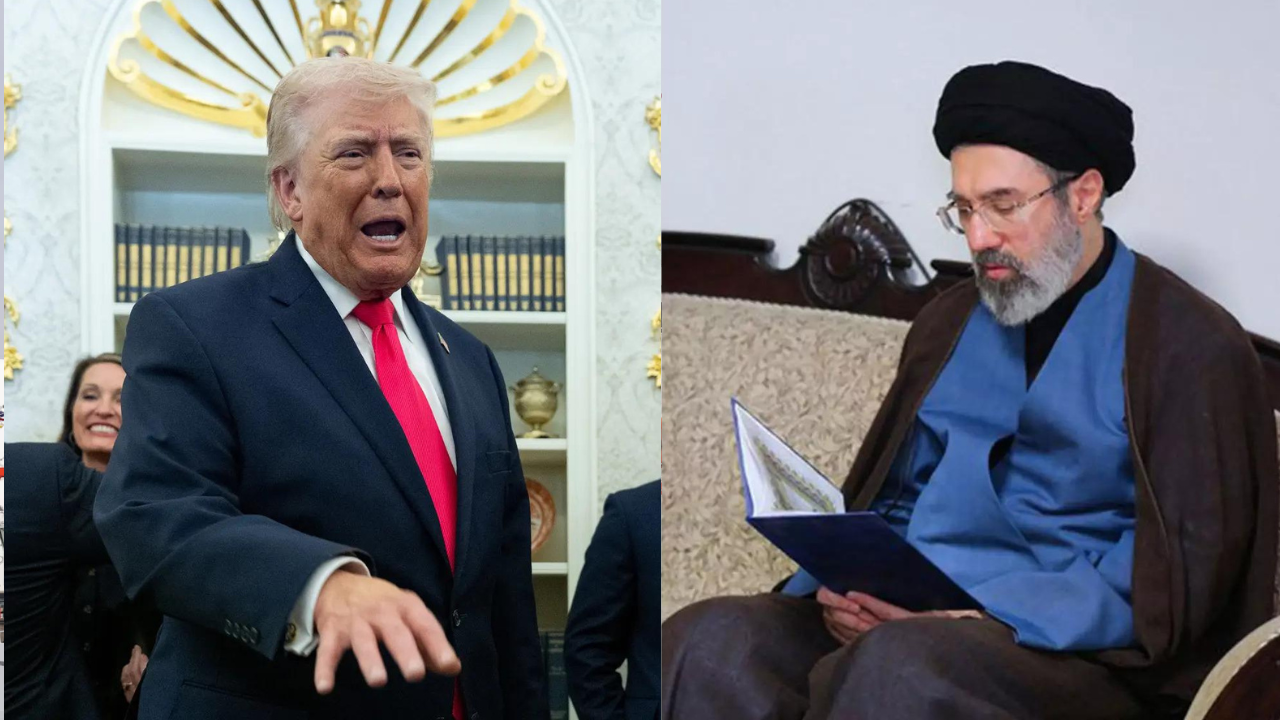
Washington is playing a game of checkers in a room full of grandmasters. The leaked "15-point plan" to neutralize Iran’s nuclear ambitions, allegedly funneled through Pakistani backchannels, isn’t a diplomatic breakthrough. It is a tactical surrender wrapped in the beige paper of a State Department memo.
The premise is flawed. The "consensus" among the beltway elite is that proliferation is a dial you can turn back with the right mix of sanctions and third-party mediation. It isn't. Nuclear capability is not a commodity; it is a technical inevitability once a nation crosses the threshold of enrichment physics. By the time you’re debating a 15-point plan, the horse hasn't just left the barn—it’s already built its own stable and started breeding.
The Pakistan Proxy Fallacy
Using Islamabad as a courier is the first sign of strategic rot. The logic goes that because Pakistan is a "non-NATO ally" with its own nuclear arsenal, it holds unique sway over Tehran. This ignores thirty years of history. Pakistan’s own nuclear program, spearheaded by A.Q. Khan, was the very engine that jumpstarted Iran’s centrifuge technology.
Asking Pakistan to broker a denuclearization deal is like asking a master locksmith to talk a burglar out of using the tools the locksmith sold him. It creates a circular feedback loop of misinformation. You aren’t getting a neutral mediator; you’re getting a middleman with a vested interest in maintaining a "managed" level of regional chaos to keep their own aid packages flowing.
Logistics vs. Reality: The Enrichment Lie
The 15-point plan focuses heavily on "monitored degradation" of stockpiles. This is a scientific fairy tale. Once a regime masters the $U_{235}$ enrichment process to 60%, the jump to 90%—weapons grade—is a matter of weeks, not years.
$$SWU = V(x_p)F + V(x_w)W - V(x_f)F$$
If you look at the Separative Work Unit (SWU) requirements, the heavy lifting is already done. The diplomacy crowd acts as if enrichment is a linear climb. It’s an exponential curve. By allowing Iran to keep its hardware while merely "reducing" its current soup of enriched uranium, the U.S. is essentially agreeing to a "Breakout at Will" policy. We are negotiating over the volume of the water while the pipes are already installed and the taps are wide open.
The Myth of the "Surgical Strike"
One of the points in the rumored plan involves "contingency limitations"—a polite way of saying the U.S. will hold back Israel in exchange for Iranian transparency. This assumes a surgical strike is still a viable option.
I’ve sat in rooms with analysts who think a few dozen sorties can reset the clock. They are living in 1981. Unlike Iraq’s Osirak or Syria’s Al-Kibar, Iran’s infrastructure is decentralized, buried under mountain ranges like Fordow, and protected by advanced S-300 and indigenous Bavar-373 batteries. A kinetic solution today doesn't stop a program; it merely provides the ultimate moral justification for that program to go fully clandestine and weaponized.
The 15-point plan tries to buy time, but time is the one resource Iran knows how to use better than we do. They aren't rushing for a test today because the threat of the bomb is more useful than the bomb itself. It’s the "Sultan’s Shadow" strategy: as long as the West believes they are six months away, they get a seat at the table. Once they test, they become North Korea—sanctioned, isolated, but essentially untouchable. The plan plays right into this stalling tactic.
The Sanctions Shadow Economy
The plan suggests a phased lifting of sanctions on "dual-use" technologies. This is where the business reality hits the fan. Sanctions are no longer the blunt instrument they were in the 90s. We have entered an era of "Sanction Proofing."
Russia, China, and Iran have built a parallel financial architecture. When the U.S. offers to lift sanctions as a "point" in a 15-point plan, they are offering to give back a key to a door that Iran has already kicked down. They have the "Ghost Fleet" moving oil. They have the digital yuan. They have shadow banking in Dubai and Istanbul.
By making sanctions relief a cornerstone of the deal, the U.S. is signaling that it still thinks the dollar is the only game in town. It’s a vanity play. We are offering to sell them a map of a city they’ve already mapped with their own drones.
The "Middle Class" Hostage
Diplomats love to talk about the Iranian people. They claim that economic pressure will force the regime’s hand because the middle class will demand "butter, not yellowcake."
This is the most dangerous misconception in the entire Western playbook. In an autocracy, the middle class isn't a political force; it's a hostage. When the economy tightens, the regime doesn't lose power—it gains more control over the distribution of scarce resources. The 15-point plan’s focus on economic incentives assumes the Ayatollahs care more about the GDP of Isfahan than the survival of the Islamic Republic. They don't. History shows that ideological regimes are perfectly willing to rule over a graveyard if it means they are the ones holding the shovels.
Stop Trying to "Solve" Iran
The fundamental mistake is the belief that this "war" can be "ended." You don't end a thousand-year-old regional rivalry with a 15-point list sent through a Pakistani general.
The U.S. needs to stop looking for a "Grand Bargain" and start practicing "Aggressive Containment." This means:
- Total Cyber Attrition: Not just Stuxnet 2.0, but a continuous, unacknowledged campaign against the digital nerves of the IRGC.
- Accepting the Threshold: Stop pretending we can stop them from knowing how to build a bomb. Focus entirely on the delivery systems. A warhead in a basement is a problem; a warhead on a MIRV-capable missile is a catastrophe.
- Decoupling from Backchannels: Pakistan has its own agenda. Dealing through them is like playing a game of telephone where the guy in the middle is trying to steal your wallet.
The 15-point plan is a document written by people who want to go to a signing ceremony in Geneva. It’s for the cameras. It’s for the legacy. It isn't for the security of the next decade.
We are currently witnessing the managed decline of American leverage in the Middle East. Every point in that plan is a concession dressed up as a condition. If the U.S. continues down this path of brokered "understandings," it won't prevent a nuclear Iran. It will simply be the one that paid for the ribbon-cutting ceremony.
Stop looking for the exit. There is no exit. There is only the long, cold reality of a multipolar nuclear world. Start acting like you're in it.