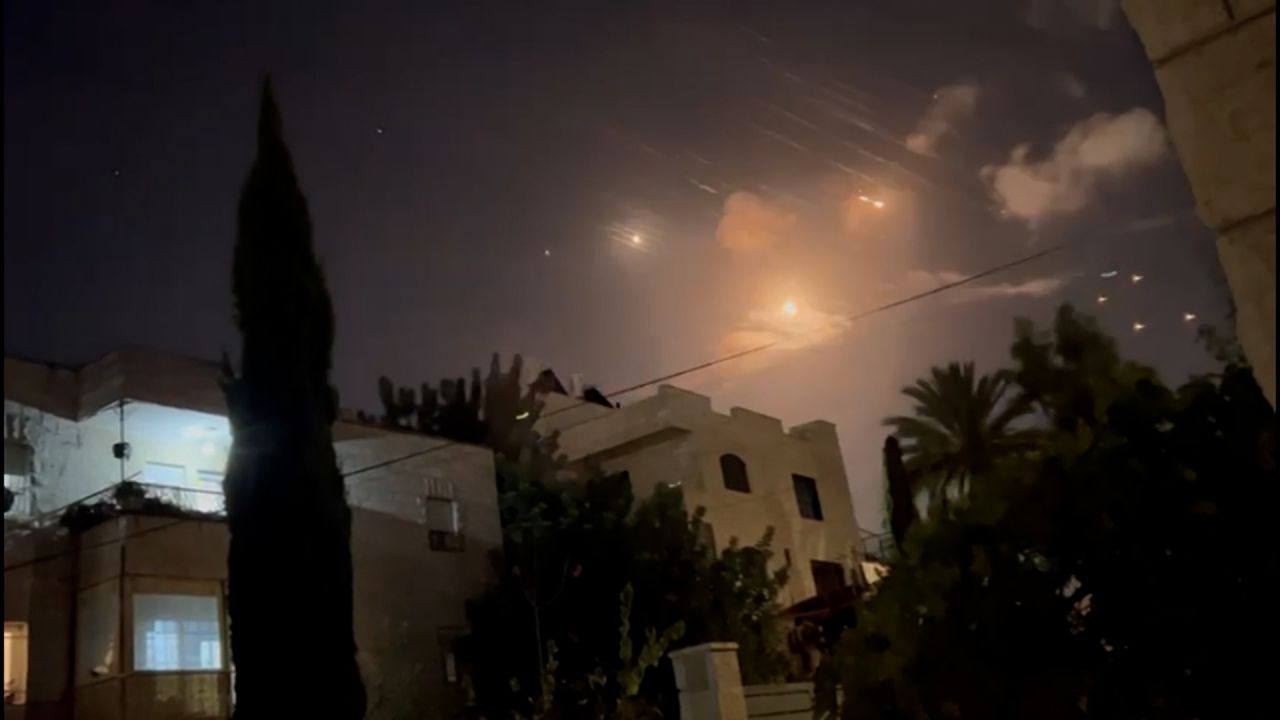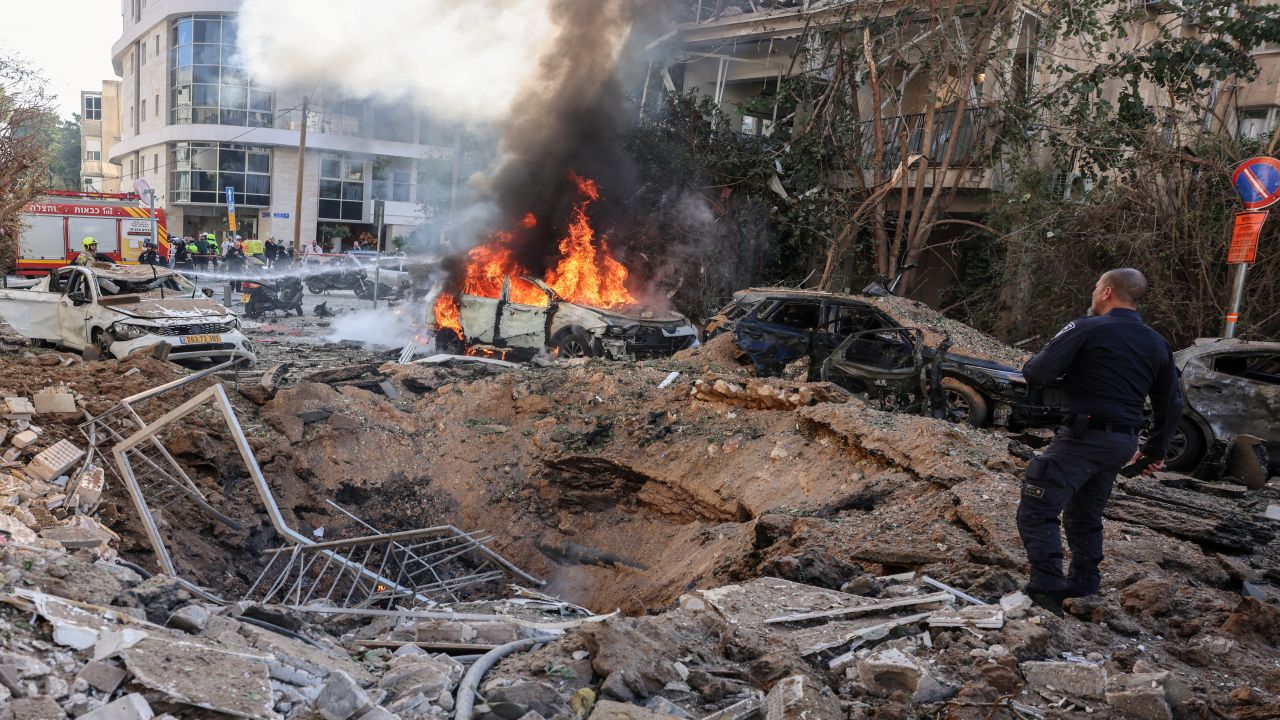
The back-channel whispers in Muscat have finally hardened into a cold, 15-point ultimatum. As of March 25, 2026, the United States and Iran are locked in the most significant diplomatic contact since the February 28 air strikes shattered the regional status quo. This isn't just another "de-escalation" framework. It is a fundamental attempt to rewire the Middle East power balance after a month of kinetic warfare that has pushed Brent crude toward $112 per barrel and left the global energy market on a knife-edge.
Washington’s proposal, spearheaded by advisors Jared Kushner and Steve Witkoff, demands nothing less than the total dismantling of the Iranian nuclear program. In return, the White House is dangling the one thing the Islamic Republic needs to survive its current internal fractures: absolute sanctions relief and the unfreezing of a crippled economy. But as missiles continue to impact Tel Aviv and Israeli forces tighten their grip on southern Lebanon, the question isn't whether Tehran is "open" to talks—it's whether the regime can afford the price of admission.
The Bone Deep Concessions
The 15-point plan leaked to regional intermediaries outlines a scorched-earth policy for Iran's atomic ambitions. It requires the decommission and physical destruction of the Fordow, Natanz, and Isfahan facilities. There is no room for the "token enrichment" that defined previous iterations of the JCPOA. Under this new doctrine, all enriched material would be handed over to the IAEA, and Tehran would provide a permanent, legally binding commitment to never pursue nuclear weapons.
For the Iranian leadership, this is a bitter pill. For decades, the nuclear program has been the regime's ultimate insurance policy. To scrap it now, under the duress of active bombardment, looks less like diplomacy and more like a surrender. However, the internal pressure is reaching a breaking point. The January 8 crackdown left tens of thousands dead, and the subsequent "compressed crisis" has eroded the state's authority to a degree not seen since 1979.
The Hormuz Stranglehold
Central to these contacts is the fate of the Strait of Hormuz. Iran has already blinked, signaling it will allow "non-hostile" vessels through the waterway. This follows a 48-hour ultimatum from Washington and a massive naval buildup that includes a second aircraft carrier strike group moving into the Persian Gulf.
The U.S. demand is clear: the Strait must remain an open, international maritime zone with no interference from the IRGC. In the eyes of the Pentagon, the ability of Iran to hold the global economy hostage via the Strait must be permanently neutralized. If Tehran agrees, it loses its most potent asymmetric threat. If it refuses, the U.S.-Israel coalition has made it brutally apparent that Iranian power plants and energy infrastructure are the next targets.
The Regional Pawn Game
The Gulf states are no longer silent observers. In a sharp deterioration of diplomatic relations, Saudi Arabia and the UAE have already expelled Iranian diplomatic personnel. This isn't just about regional rivalry anymore; it's about the fundamental survival of the Gulf Cooperation Council (GCC) as an economic bloc. The strikes on Qatar's Ras Laffan complex and Kuwait's Mina al-Ahmadi refinery have shown that the "Axis of Resistance" is willing to burn the entire neighborhood down to save itself.
Riyadh, through its back-channels, has signaled a complex position: it wants Iran's ballistic missiles degraded, but its civilian infrastructure spared. The Saudi calculation is pragmatic. A destitute, broken Iranian population is a breeding ground for regional chaos that no border wall can contain.
The Succession Shadow
The most overlooked factor in these negotiations is the leadership vacuum inside Tehran. The elevation of Mojtaba Khamenei has not restored the regime's authority. The state still projects power, but it no longer reassures its own base. The IRGC, once the monolithic enforcer of the Supreme Leader's will, is facing a fiscal and military strain that is beginning to show in the cracks of its command structure.
Washington's "15-point" gamble is designed to exploit this specific moment of vulnerability. By offering full sanctions relief and assistance in developing a civilian nuclear project at the Bushehr plant, the Trump administration is betting that the Iranian leadership will choose its own survival over its regional ambitions.
The Price of Peace
But peace in 2026 is an expensive commodity. Prime Minister Benjamin Netanyahu remains the most vocal opponent of any deal that leaves the current Iranian regime intact. The Israeli "war aims" published by Channel 12 are explicit: the permanent denial of Iran's ability to disrupt shipping and the destruction of its proxy networks.
A month-long ceasefire, as proposed by the U.S., would provide a 30-day window to finalize the 15-point agreement. It’s a 30-day countdown to either a historic reset or an escalation that will redefine the century. The "outreach" is real, the messages have been received, and the stakes are quite literally the lights staying on in the West.
Would you like me to analyze the specific economic impact of the proposed sanctions relief on the Iranian rial?