Geopolitics is often a theater of the absurd where diplomats mistake old habits for strategic foresight. The recent proclamations regarding the "unshakable" India-Russia partnership, headlined by a $100 billion trade target and civil nuclear cooperation, are less a roadmap for the future and more a eulogy for a 20th-century mindset. Everyone is cheering for the numbers. Nobody is looking at the structural rot beneath the floorboards.
The consensus is lazy. It suggests that because Russia has been a "reliable partner" for five decades, it is the only viable pillar for India’s energy and economic security. This isn't strategy; it’s path dependency. We are watching two nations try to force a marriage of convenience into a digital-age powerhouse, and it’s destined to underperform. You might also find this similar article interesting: The Middle Power Myth and Why Mark Carney Is Chasing Ghosts in Asia.
The $100 Billion Math Does Not Add Up
Let’s strip away the diplomatic fluff. To reach $100 billion in annual trade by 2030, you need a balanced, diversified flow of goods. Right now, we have a lopsided fire sale. India is buying discounted Urals crude because it’s cheap and available, not because of some deep-seated industrial alignment.
The trade deficit is a gaping wound. Russia wants to sell oil and nuclear reactors; India wants to sell... what exactly? Moscow’s economy is increasingly a closed loop, pivoting toward Beijing for high-end electronics and consumer goods. If you think Indian pharmaceutical exports or auto parts are going to bridge a multi-billion dollar gap while the Ruble plays hopscotch with volatility, you haven’t seen a balance sheet in years. As extensively documented in recent coverage by CNBC, the results are significant.
I’ve watched trade delegations waste years on "MoUs" that never transition into actual shipments. The reality is that the Indian private sector is terrified of secondary sanctions. While public sector units (PSUs) sign grand agreements in Moscow, the real movers of the Indian economy—the tech giants and the manufacturing conglomerates—are looking West and toward ASEAN. A $100 billion target is a political placeholder, not an economic reality.
The Nuclear Trap of Kudankulam
The crown jewel of this partnership is the Kudankulam Nuclear Power Plant (KKNPP). We are told that Russia is the "foremost partner" in civil nuclear energy. In reality, Russia is the only partner because India’s own liability laws and glacial procurement processes have chased everyone else out of the room.
Being the "foremost partner" by default is not a position of strength for India; it’s a single-source failure point.
- Technology Lock-in: By leaning exclusively on VVER-1000 and VVER-1200 designs, India is tethering its long-term energy grid to Russian supply chains for fuel rods, specialized components, and maintenance. If the supply chain breaks—due to war, internal Russian instability, or logistical shifts—large chunks of the Indian grid go dark.
- The Innovation Gap: While the world pivots toward Small Modular Reactors (SMRs) and fourth-generation molten salt designs, the Russia-India deal is doubling down on massive, centralized light-water reactors. These are 1970s concepts with a 2020s paint job. They take a decade to build, blow past their budgets, and create massive NIMBY (Not In My Backyard) protests that stall progress for years.
- The Enrichment Illusion: True nuclear sovereignty requires indigenous fuel cycles. Buying turnkey reactors from Rosatom keeps India in a perpetual "client" state. We aren't building a partnership; we are buying a subscription to a service that Moscow can throttle at will.
The China Elephant in the Room
The most egregious oversight in the "Foremost Partner" narrative is Russia’s deepening vassalage to China. You cannot have a "strategic" partnership with a nation that is increasingly dependent on your primary geopolitical rival for its economic survival.
Imagine a scenario where border tensions in the Himalayas escalate. Moscow, desperate for Chinese chips and diplomatic cover in the UN, will not side with New Delhi. They will "call for restraint" while fulfilling Beijing’s orders.
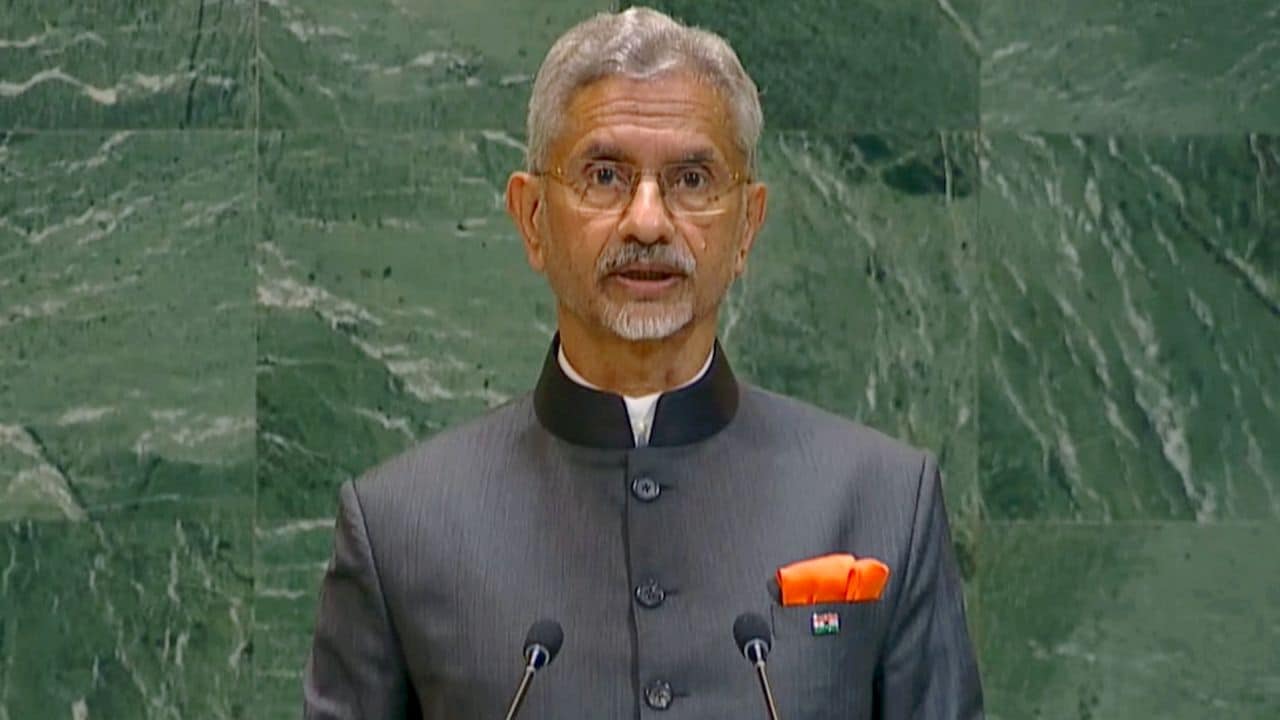
The "Multipolar World" that S. Jaishankar talks about is a noble goal, but you don't get there by anchoring yourself to a pole that is leaning heavily toward your adversary. Russia’s "pivot to the East" is a pivot to China, not India. India is the secondary market, the hedge. Relying on your hedge to be your foundation is a fundamental error in risk management.
Energy Security is Not Just Buying Oil
The loudest argument for this partnership is energy security. "We need the oil; we need the uranium."
True energy security is resilience through diversity, not volume through a single pipe. By bloating the trade relationship with Russian hydrocarbons and nuclear tech, India is neglecting the hard work of building out its own domestic renewables supply chain and high-efficiency gas infrastructure.
We are substituting dependence on Middle Eastern cartels for dependence on a sanctioned Eurasian state. It’s the same trap, just a different geography.
Dismantling the "Special Relationship" Myth
The term "Special and Privileged Strategic Partnership" is the ultimate linguistic shield. It’s used to deflect criticism and ignore the friction points. But let’s be brutal:
- Payment Mechanisms: The rupee-ruble trade has been a disaster. Billions in rupees are sitting in Vostro accounts because Russia doesn't know what to buy from India that it can't get better or cheaper from China.
- Logistics: The International North-South Transport Corridor (INSTC) is a logistics nightmare of bureaucracy and shifting borders. Shipping through the Suez remains cheaper and faster, regardless of the "strategic" desire to bypass it.
- Defense Decoupling: India is already moving away from Russian hardware. The Su-30MKI and T-90 days are waning as India looks for jet engines from the US and submarines from France. If the defense pillar is crumbling, the nuclear pillar is not strong enough to hold the weight of the entire relationship.
Stop Asking if the Relationship is "Strong"
The "People Also Ask" sections of the internet are obsessed with whether India and Russia are still "best friends." That is the wrong question. It’s a sentimental question in a world that operates on cold, hard interests.
The right question is: "Is the opportunity cost of this partnership too high?"
Every billion dollars invested in Russian nuclear tech is a billion dollars not spent on indigenous Thorium research or battery storage at scale. Every diplomatic favor burned to shield Russia in international forums is a chip lost that could have been used to secure better trade terms with the EU or the US.
The Path Forward is Not a $100 Billion Goal
Instead of chasing a vanity metric of $100 billion, India should be doing the following:
- Weaponize the Trade Deficit: Demand that Rosatom and other Russian entities reinvest their rupee surpluses into Indian infrastructure—not just as loans, but as equity. If they want our money, they must own our risk.
- Forced Tech Transfer: No more turnkey projects. If the next four units of Kudankulam don't involve 70% indigenous component manufacturing, the deal should be scrapped. We are large enough to dictate terms, yet we act like we are lucky to be in the room.
- Aggressive Diversification: Use the Russian relationship as a floor, not a ceiling. The moment we stop looking for alternatives is the moment we lose our leverage.
The "foremost partner" label is a comfort blanket for a nation that is afraid to stand entirely on its own two feet in the energy sector. It’s time to stop romanticizing the Cold War era and realize that the $100 billion target is just a very expensive way to stay stuck in the past.
India doesn't need a "foremost partner." It needs a diversified portfolio of temporary allies. Anything else is just sentimental suicide.
Stop celebrating the $100 billion. Start worrying about what we’re giving up to get there.